A team of Argentinian researchers developed a superhydrophobic and oleophilic carbonaceous nanosponge (CN) with high adsorption capacity for selective oil removal from water which could be used in case of oil spills.


A team of Argentinian researchers developed a superhydrophobic and oleophilic carbonaceous nanosponge (CN) with high adsorption capacity for selective oil removal from water which could be used in case of oil spills.

Could the next generation of batteries be powered by the atmosphere?
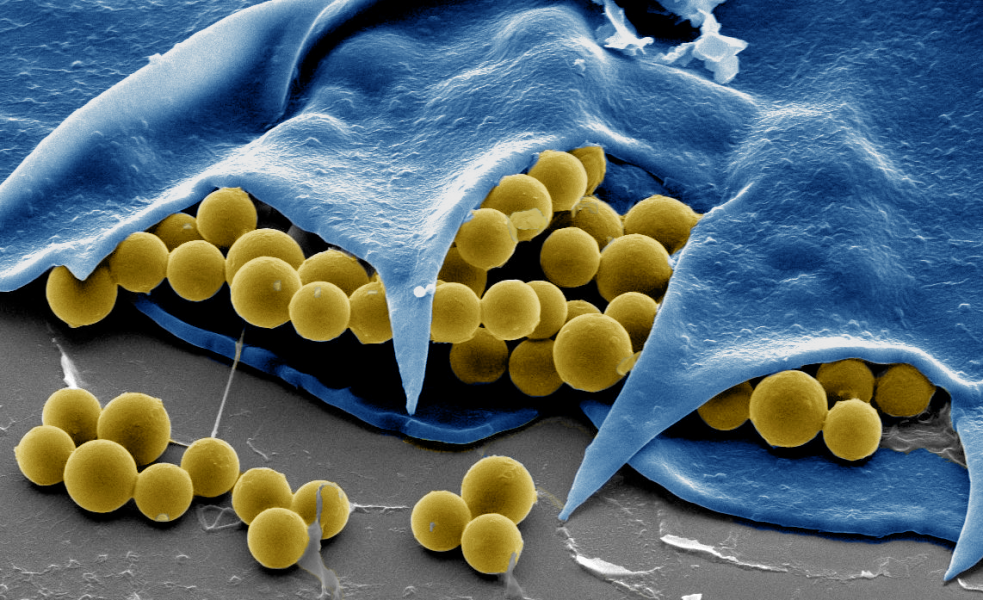
The Rotibot decontaminates water using functionalized microbeads (yellow) accumulated around the rotifer mouth (blue).

How electric buses can revolutionize public transport and help mitigate global warming.

Thomas P. Russell shares the highlights of his career, current research focus, and his thoughts on the future of materials science.
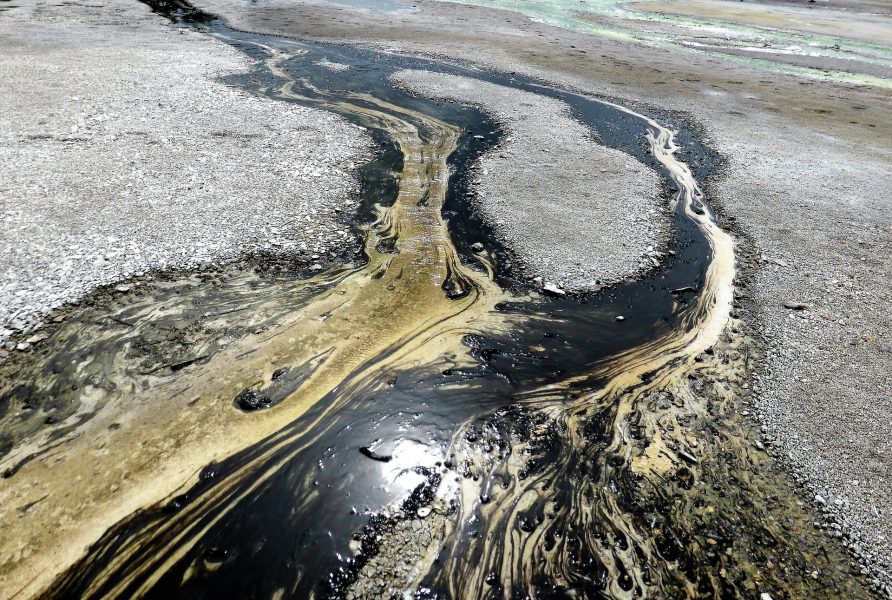
A wood-derived absorbent that provides an efficient and scalable approach to the rapid clean-up of high viscosity crude oil.

Chinese researchers combined a glow‐like helium atmospheric pressure plasma jet with clinical antitumor drug‐Tegafur‐ to treat pancreatic tumor cells in vitro.

A team of Chinese and American researchers succesfully used near‐infrared spectroscopy (NIRS) for fast and accurate evaluation of brain death.
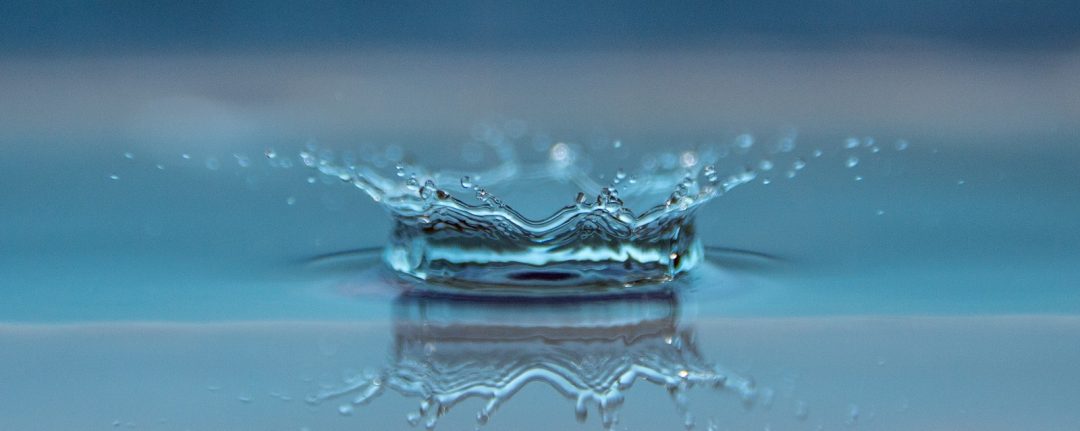
Engineers find a new solution through solar-powered technology that absorbs moisture from the air and returns it as clean, usable water.
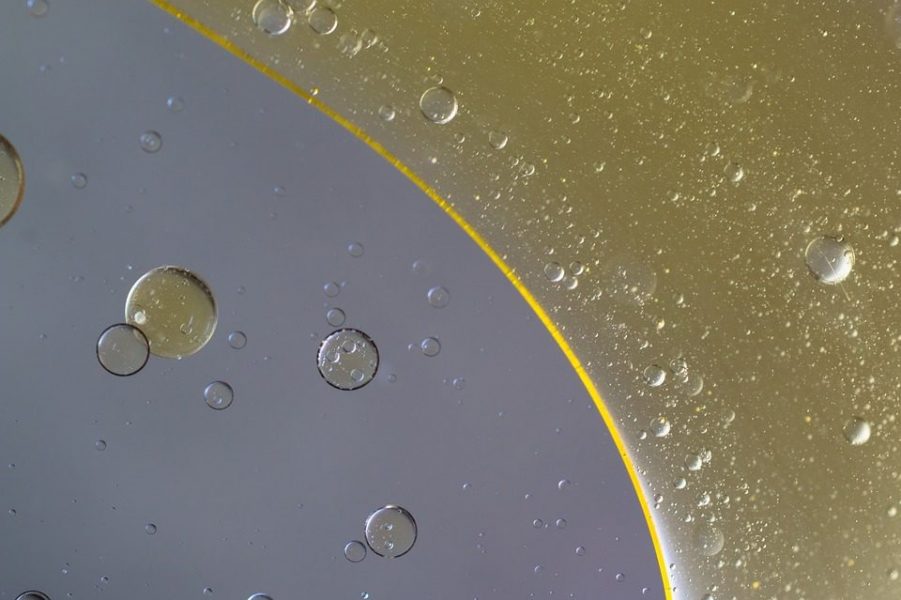
A simple, quick and versatile approach for fabricating gradient tissues through the physical force of buoyancy.

 Micron-sized hidden dimensions could solve two of physics’ deepest puzzles
 Turning Periods into Power: Menstrual Blood a Valuable Resource for Medical Diagnostics
 Surfactants Steer Supraparticle Structure
 Bone loss in obesity traced to gut microbiota
 Edible electronics realize safe, complex monitoring devices
 Fermilab Confirms Muon g-2 Measurements