Wave power has the potential to offset 64% of the United States’ energy consumption, but funding and technology has caused a standstill.


Wave power has the potential to offset 64% of the United States’ energy consumption, but funding and technology has caused a standstill.
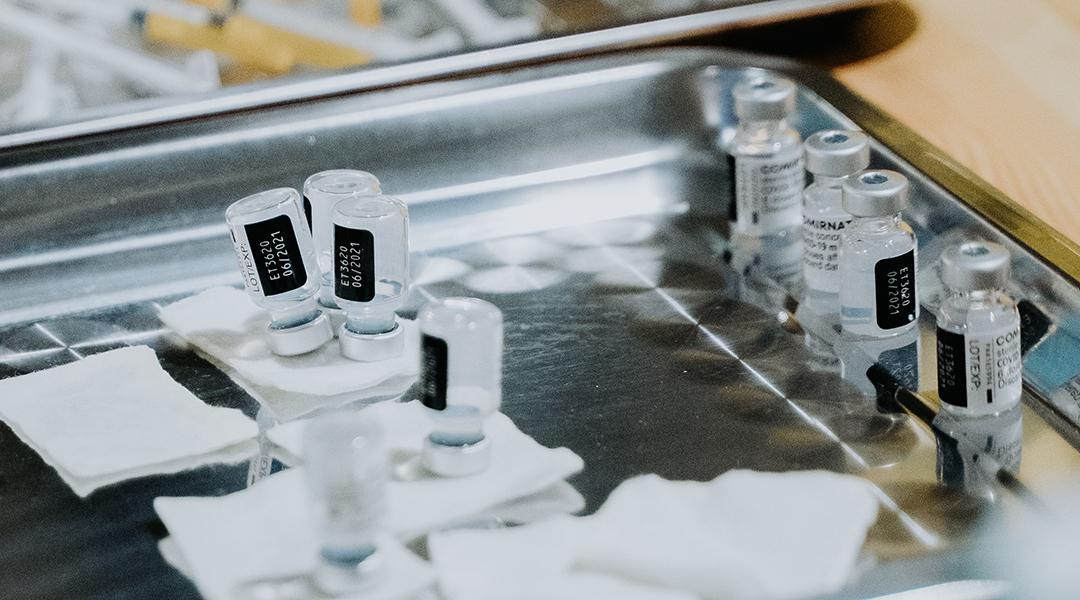
COVID-19 is unlikely to be the last coronavirus to spill over to humans. Scientists are working to make a universal vaccine to combat future outbreaks.

While some would contend that materials discovery will breathe life into a hydrogen economy, it cannot realize its full potential unless production becomes less costly and more efficient.

Major climate change effects are irreversible, though there is still a small window of time to mitigate the worst.
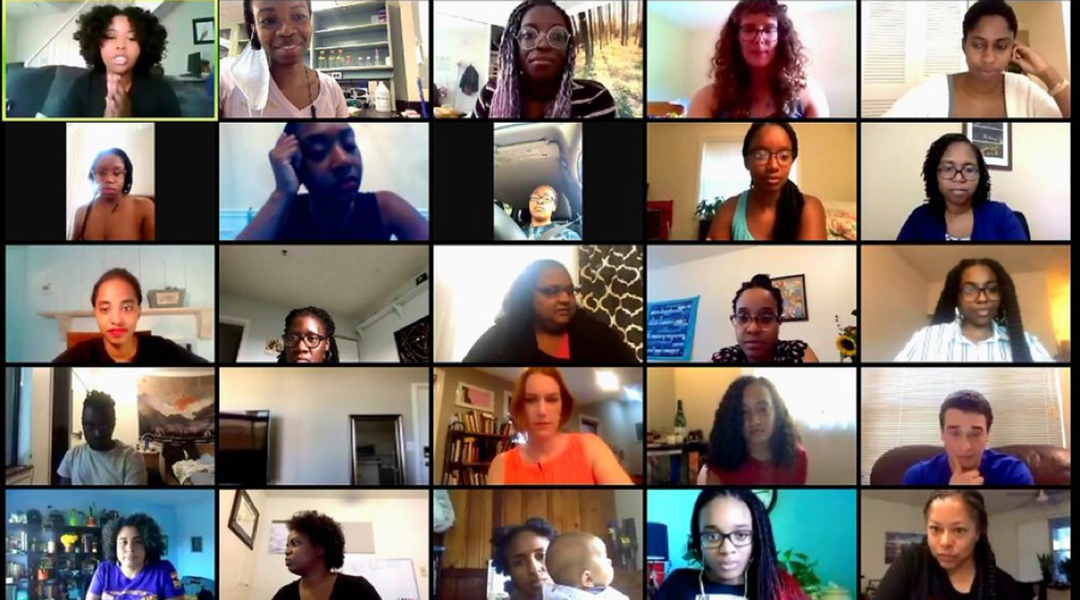
Last August, #BlackinChem took the world by storm. This year, we spoke with two of the event’s organizers, Devin Swiner and Zemen Berhe, to learn more about what’s in store.
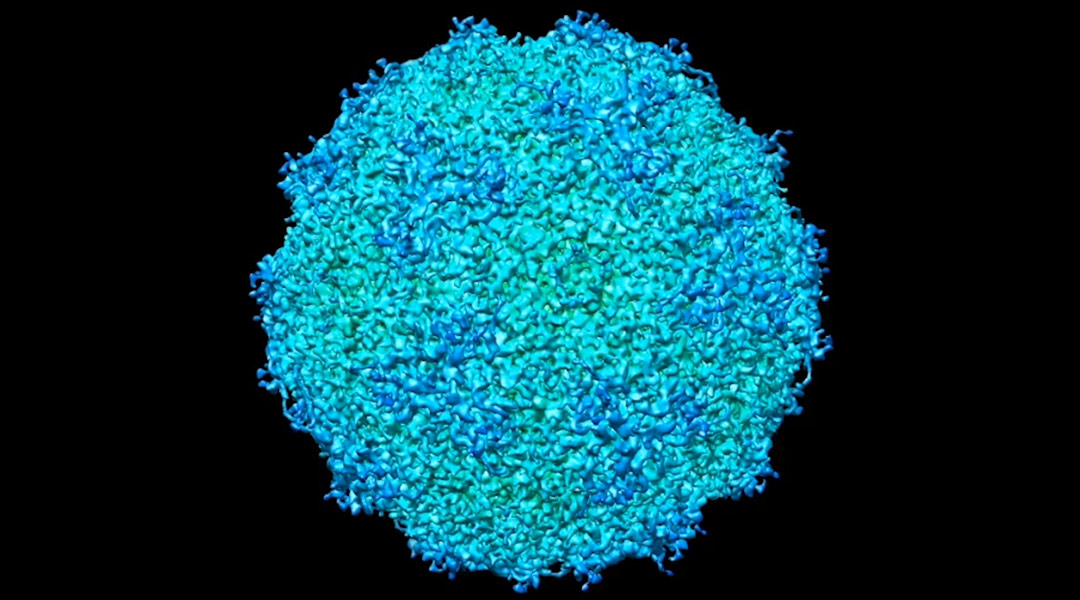
Liquid phase electron microscopy gives unprecedented insight into the behaviour and structure of adeno-associated virus in solution
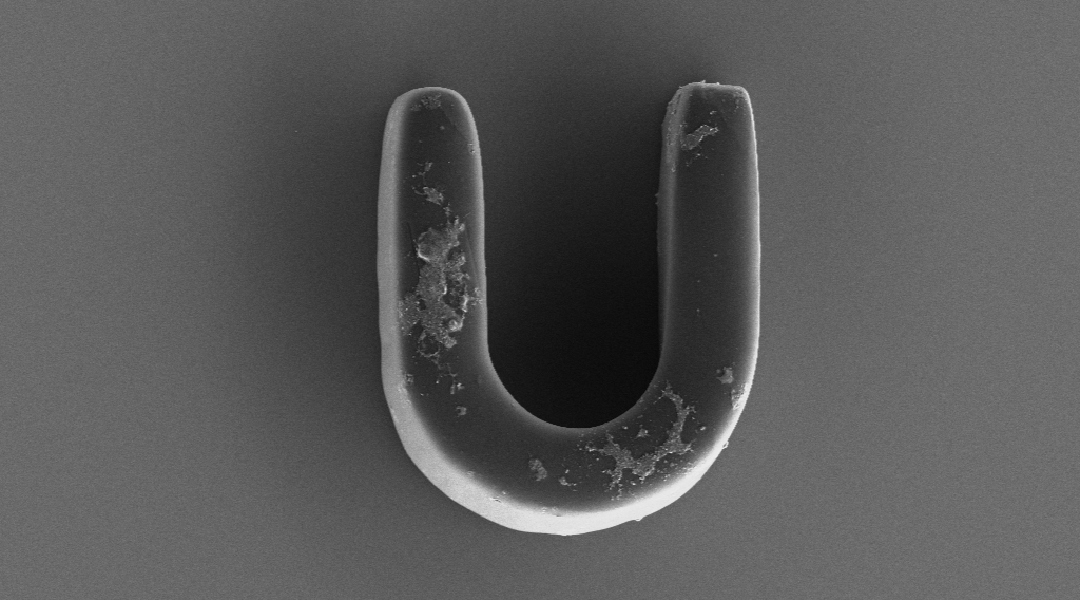
Tiny swimmers shaped like different letters in the alphabet help researchers understand motion on the microscale for future microrobot applications.
An artificial synapse capable of simultaneously detecting neurotransmitters and light mimics memory and learning processes found in the brain.

The Anthropocene has been defined by its carbon emissions, but modern technological advancements may hold the key to breaking this habit.

Albert Zink, director at the Institute for Mummy Studies, investigates remains from the past to bring ancient stories to life.

 Micron-sized hidden dimensions could solve two of physics’ deepest puzzles
 Turning Periods into Power: Menstrual Blood a Valuable Resource for Medical Diagnostics
 Surfactants Steer Supraparticle Structure
 Bone loss in obesity traced to gut microbiota
 Edible electronics realize safe, complex monitoring devices
 Fermilab Confirms Muon g-2 Measurements