How seven ancient viruses ranging in age from 27,000 to 48,500 years were recovered from the Siberian permafrost, and what researchers hope to learn from them.
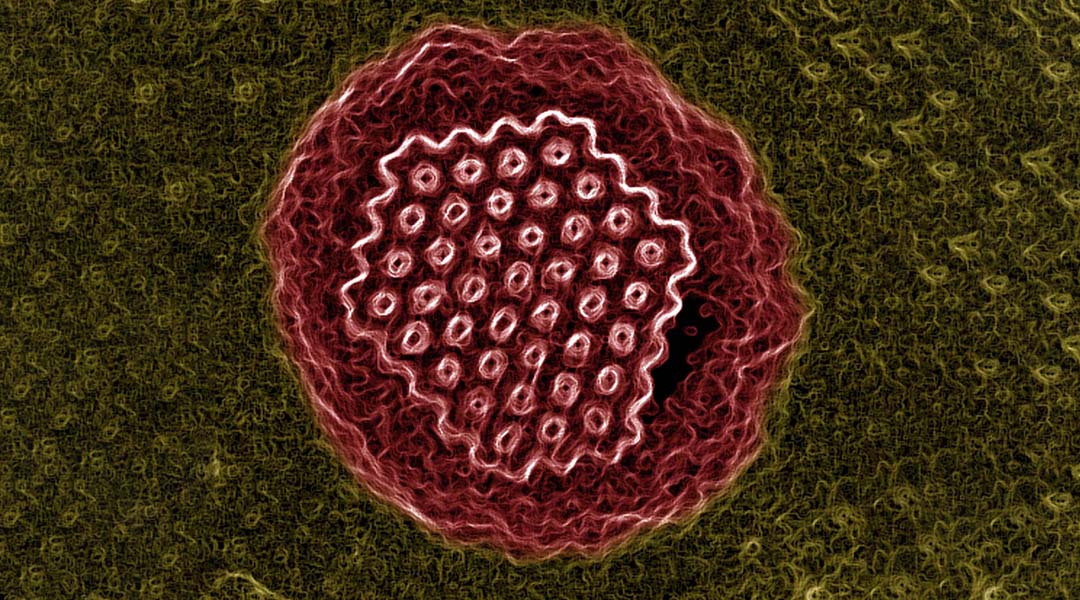

How seven ancient viruses ranging in age from 27,000 to 48,500 years were recovered from the Siberian permafrost, and what researchers hope to learn from them.

What would it mean for two particles to become gravitationally entangled?
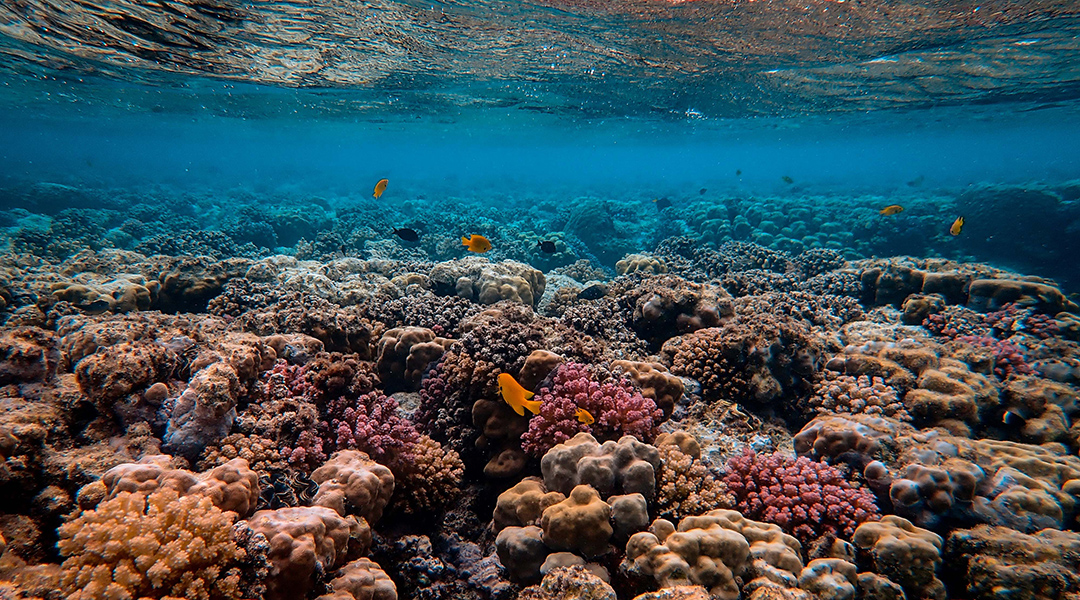
New experiments on coral reefs show that transplanting genetically diverse coral is key to restoration success.
Scientists explore whether macrophages — key players in trauma repair — can sense and respond to damage caused by a heart attack.
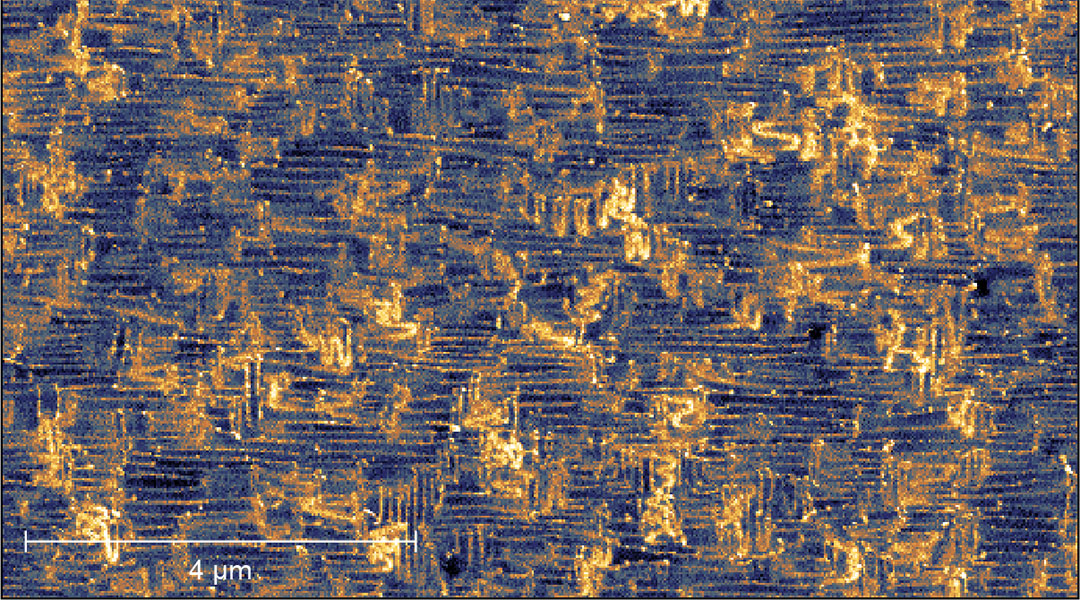
Artificial neural networks made from domain walls mimic synapses and neurons in the brain for neuromorphic computers.
It is generally accepted that a community of beneficial bacteria make up the lung microbiome, but their origin and formation have remained unclear — until now.
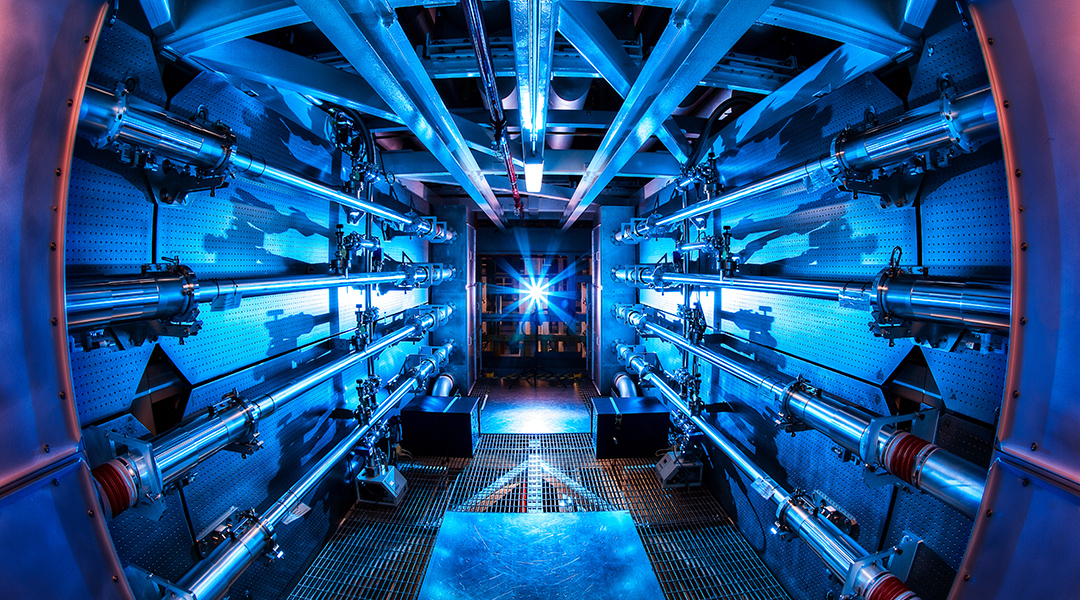
After decades of experimentation, US scientists achieve ignition in a controlled fusion experiment for the first time.
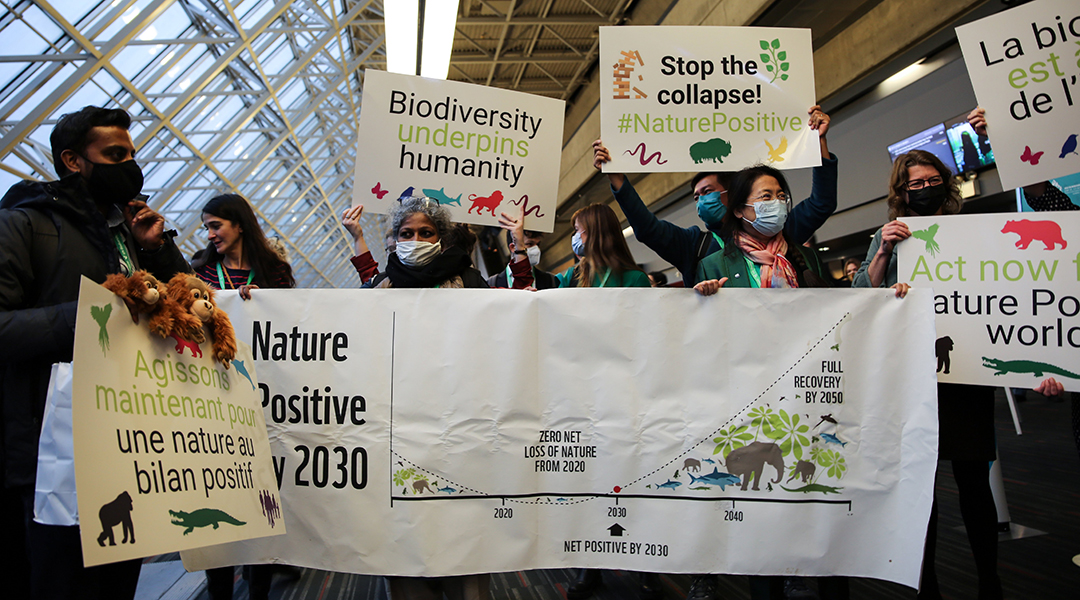
Scientists argue that guaranteeing unimpeded access for researchers to all COP15 member countries’ territories should be added to the Convention on Biological Diversity.
New research finds that more genetic features appear to be linked to sudden unexplained deaths in infants and toddlers.
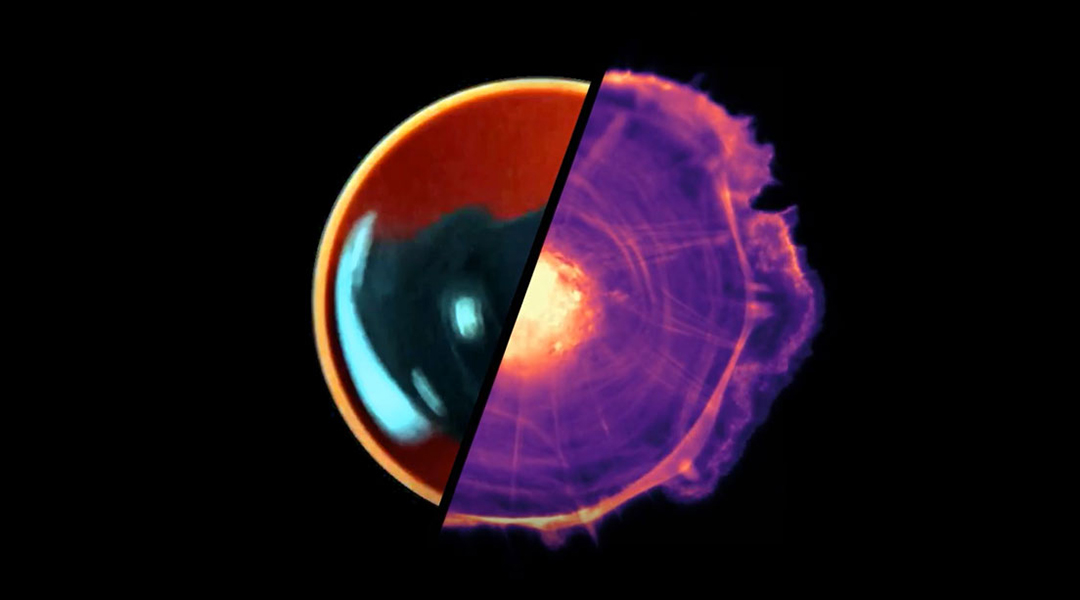
Experiments with cells and toys reveal fundamentals of synchronized movement in both inanimate objects and living groups.
 Micron-sized hidden dimensions could solve two of physics’ deepest puzzles
 Turning Periods into Power: Menstrual Blood a Valuable Resource for Medical Diagnostics
 Surfactants Steer Supraparticle Structure
 Bone loss in obesity traced to gut microbiota
 Edible electronics realize safe, complex monitoring devices
 Fermilab Confirms Muon g-2 Measurements