A rechargeable aluminum-nitrogen battery serves the dual purpose of not only storing and retrieving energy, but also being able to fix its nitrogen stream as ammonia.


A rechargeable aluminum-nitrogen battery serves the dual purpose of not only storing and retrieving energy, but also being able to fix its nitrogen stream as ammonia.

A new titanium nitride sulfur composite reduces the notorious shuttle effect and improves the overall performance of lithium-sulfur batteries.

As hydropower projects are built across the Himalayan region, recognizing the temporal politics inherent to hydropower development will become increasingly critical.
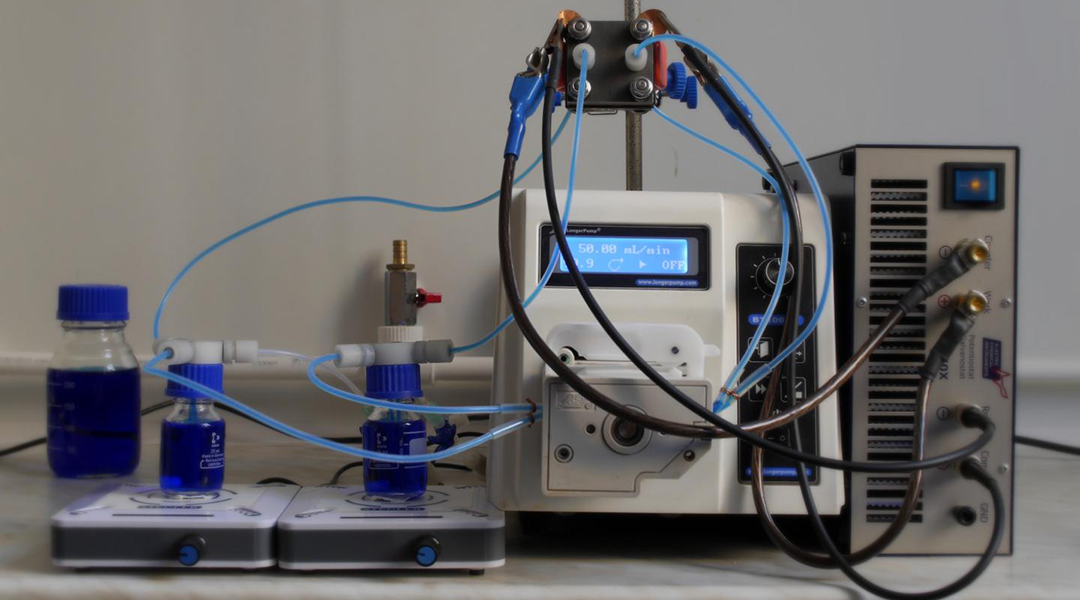
A new design for vanadium redox flow batteries could help fundamental research and accelerate commercialization of this energy storage technology.

Researchers store energy in red bricks, providing a low-cost battery alternative to power a home.

Inspired by nature, researchers create a new kind of photoelectric generator based on a bacterial ion pump.

Computer simulations provide a better means of optimizing, predicting, and understanding experimental observations in the search for new battery materials.

Researchers created liquid-metal battery that works at room-temperature. It promises more power than today’s lithium-ion batteries and can charge and deliver energy several times faster.
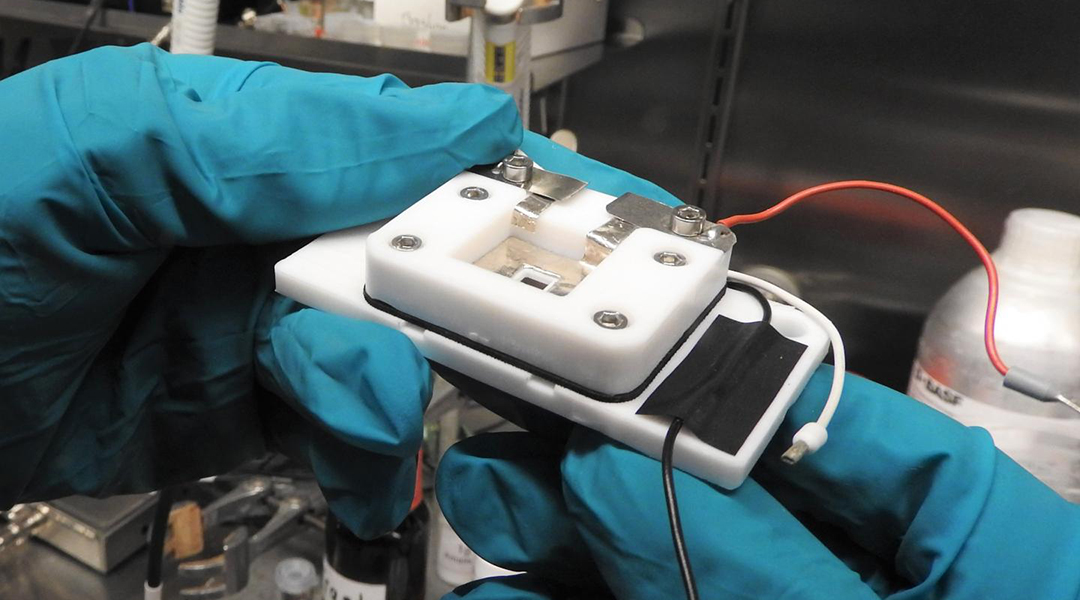
Chemists develop a new technique for observing chemical processes during battery operation.

Researchers design a photo-electrochemical reactor to produce affordable “green” hydrogen.

 Micron-sized hidden dimensions could solve two of physics’ deepest puzzles
 Turning Periods into Power: Menstrual Blood a Valuable Resource for Medical Diagnostics
 Surfactants Steer Supraparticle Structure
 Bone loss in obesity traced to gut microbiota
 Edible electronics realize safe, complex monitoring devices
 Fermilab Confirms Muon g-2 Measurements