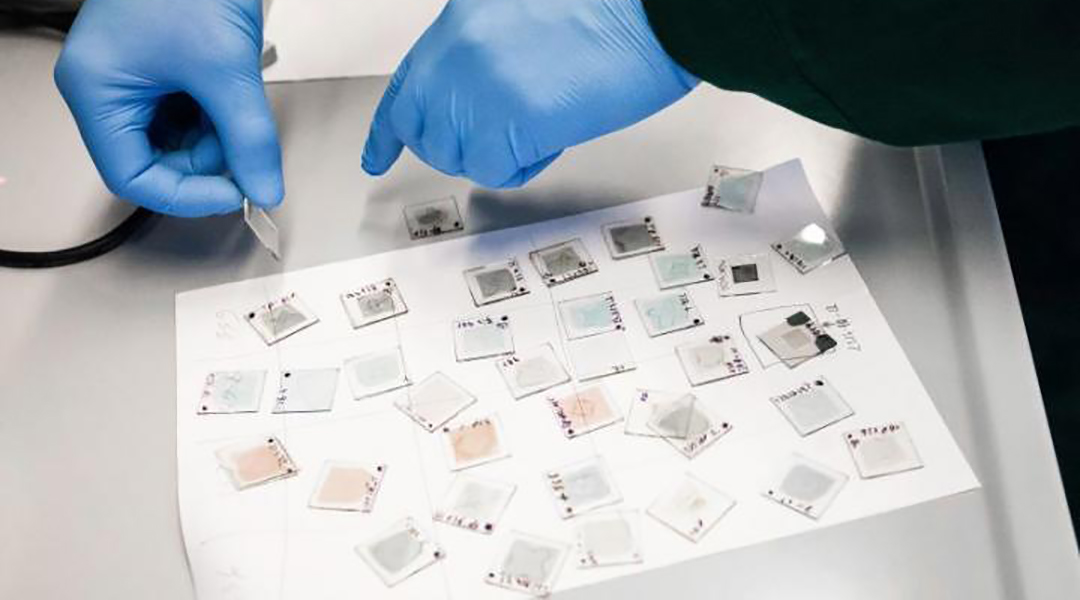
Microfluidic processing could help to make a competitive printed photovoltaics industry a reality.


Microfluidic processing could help to make a competitive printed photovoltaics industry a reality.
A molecule-thick material is opening doors for the advancement of flexible and recyclable organic solar cells.

What if the energy released when freight trains slow or stop could be applied to carbon capture technology?

A new conjugated polymer provides opportunity to improve insulating materials around high-voltage cables for more efficient power transmission.

A new approach to the synthesis of sustainable ammonia and urea uses food waste and brown water as feedstocks.

Scientists are closer to understanding the formation of underwater megaplumes, large and powerful columns of heated water rising from the ocean floor.
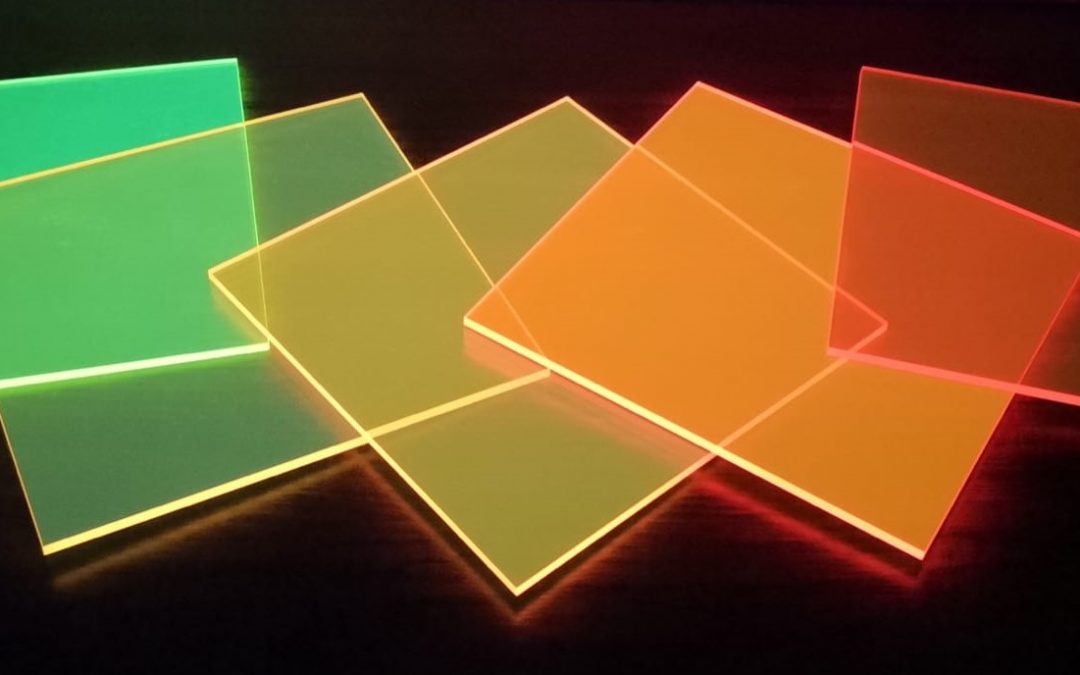
Luminescent solar concentrators based on a conjugated polymer redirect light from inside and out.
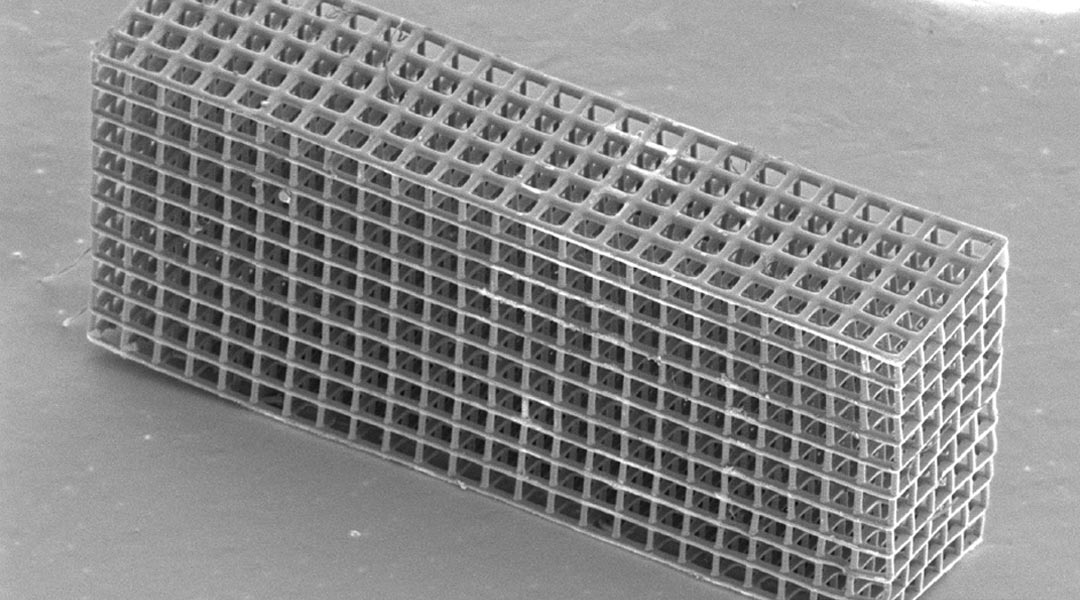
Increasing the mass of an electrode reduces power density due to the longer distance that ions and electrons must travel. Electrode designs need a rethink.

How ignoring the dynamics of the energy transition leads to overestimating transition cost and unjustified delay of climate action.

New photoanodes promise high efficiencies in producing hydrogen in a climate-neutral way.

 Micron-sized hidden dimensions could solve two of physics’ deepest puzzles
 Turning Periods into Power: Menstrual Blood a Valuable Resource for Medical Diagnostics
 Bone loss in obesity traced to gut microbiota
 Surfactants Steer Supraparticle Structure
 Edible electronics realize safe, complex monitoring devices
 Fermilab Confirms Muon g-2 Measurements