An innovative photoreactor concept achieves commercially viable performance indicators for a broad variety of solar-driven reactions.


An innovative photoreactor concept achieves commercially viable performance indicators for a broad variety of solar-driven reactions.
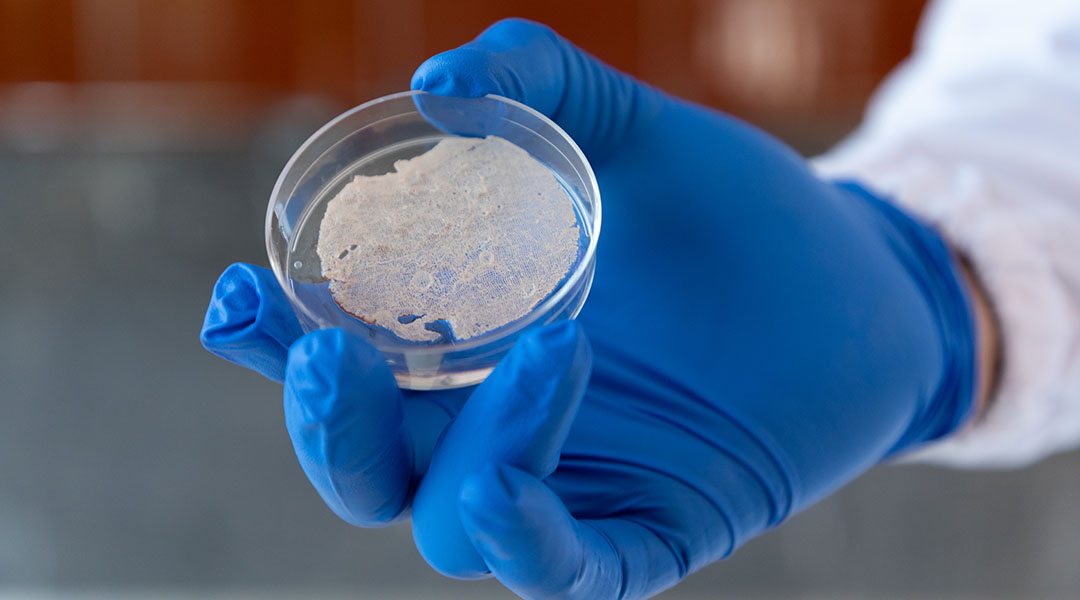
Using plant proteins derived from crop waste and spent grains adds new dimension to sustainable lab-grown meats.
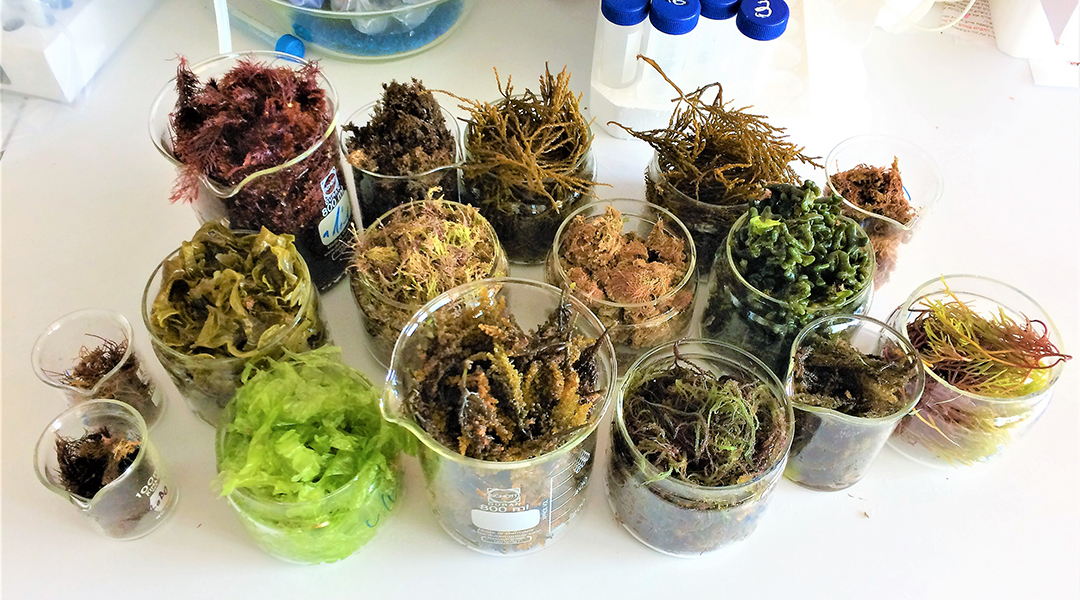
A new cultivation method enhances the concentration of valuable compounds in seaweeds with substantial environmental benefits.

Biosorption could help in the recycling and reuse of rare earth elements.

The direct electrolysis of seawater to make hydrogen has been shown in a lab-scale demonstration.
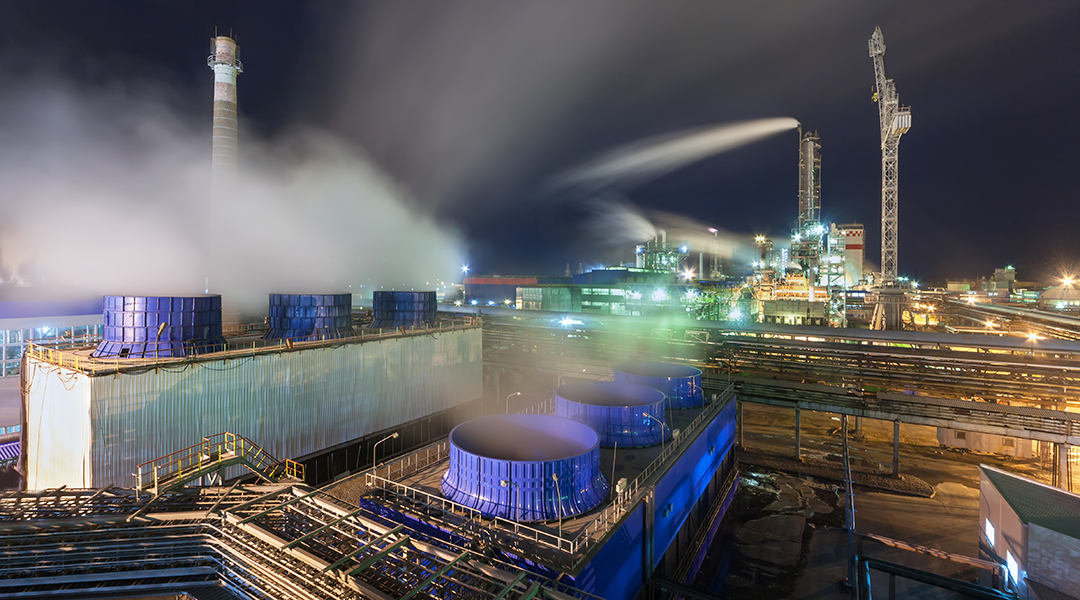
With a fossil fuel–derived climate catastrophe on our doorstep, many see ammonia as a possible alternative fuel source.

Soggy, limp paper straws have for too long been the only option to minimize plastic waste, but a new, improved design will remedy this.
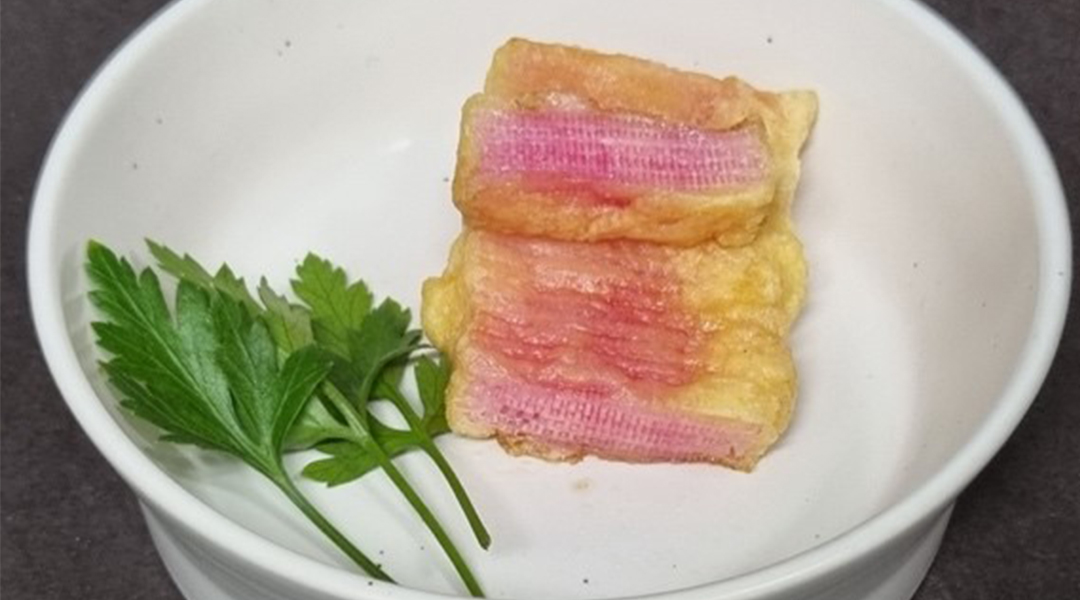
Making lab-grown meat with a new 3D-printing strategy that combines fat and muscle cells to make the perfect, artificial steak.
A novel recycling process recovers valuable rare earth elements from scrap, minimizing the need for harmful mining operations.

A conductive, cellulose-based nanopaper allows researchers to print paper electronics without needing expensive microfabrication techniques.
 New theory suggests gravity is not a fundamental force
 Higgs boson may be driving the Universe’s expansion
 Water-powered gadgets may be on the horizon thanks to new evaporation-based energy device
 Scientists discover a new class of antibiotics
 Micron-sized hidden dimensions could solve two of physics’ deepest puzzles
 A new type of dark matter could explain mysterious radiation from the Milky Way’s core