Researchers from Nanyang Technological University demonstrate 3D-printed, surface-modified electrodes for effective water splitting.


Researchers from Nanyang Technological University demonstrate 3D-printed, surface-modified electrodes for effective water splitting.

Optimizing H- and J-type aggregates significantly improves the power conversion efficiency in bulk-heterojunction solar cells.
Alternative compounds consisting of abundant, inexpensive, and eco-friendly elements for solar cells are needed.
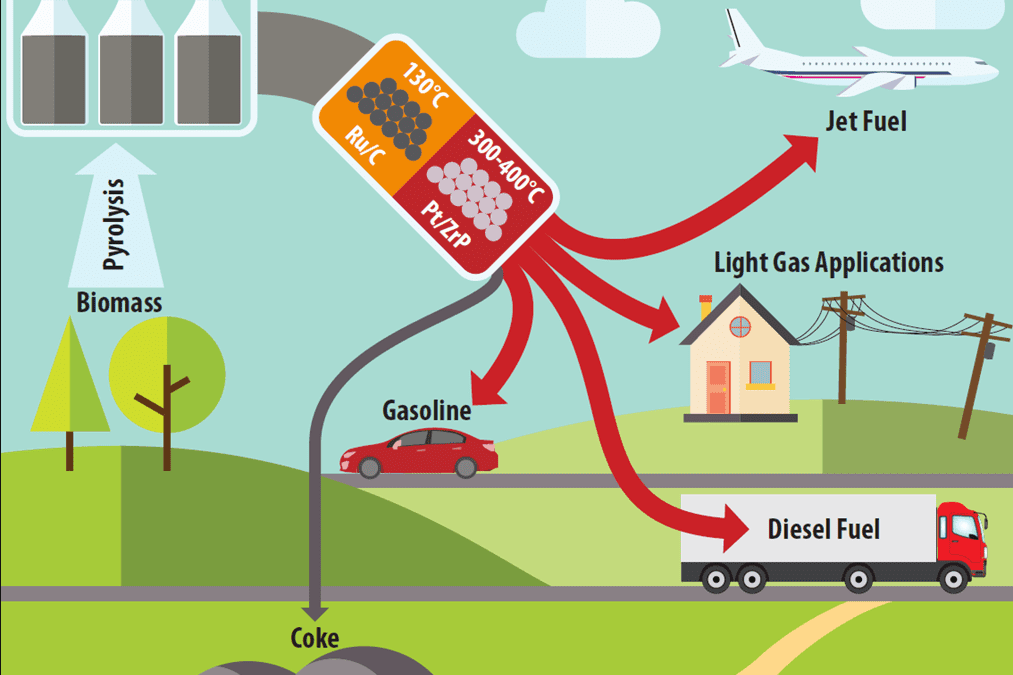
Professor Christos Maravelias of the University of Wisconsin–Madison, USA, and Dr. Jeffrey Herron, now of The Dow Chemical Company talk about their recent article on a systems level approach to biomass upgrading strategies for the next-generation biorefinery.
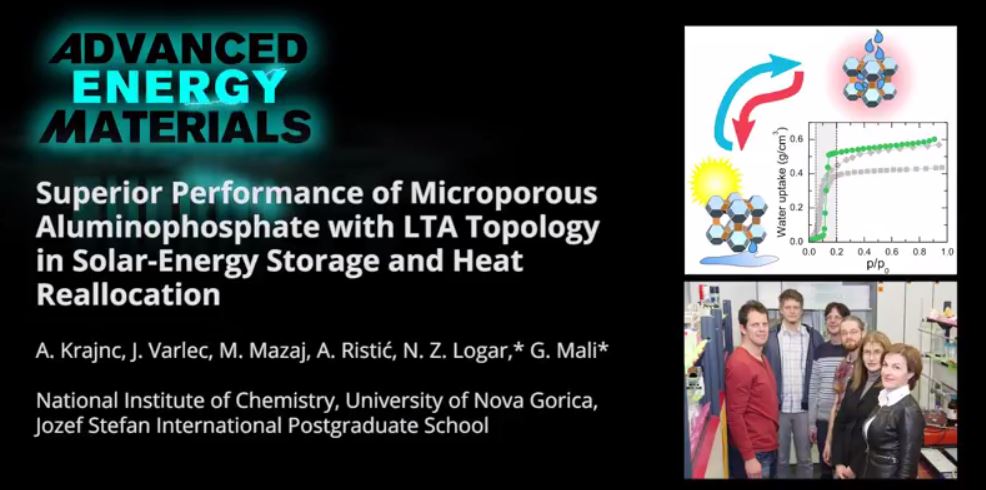
A microporous aluminophosphate with Linde Type A (LTA) topology (ALPO-LTA) is found to have long-term solar energy storage potential by researchers from University of Nova Gorica, Slovenia.
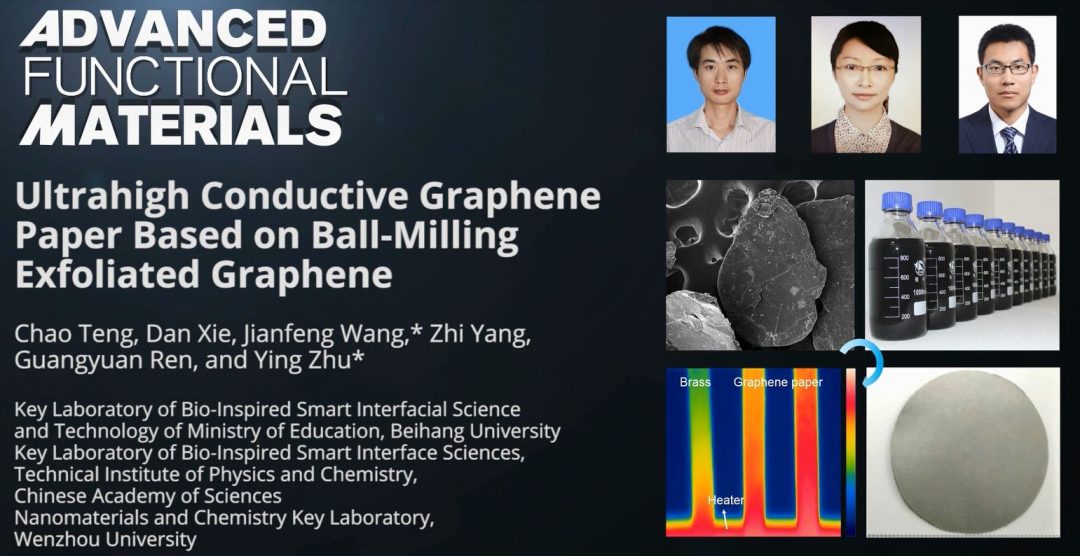
A greener, energy-efficient route to ultrahigh conductive graphene paper is developed by Jianfeng Wang, Ying Zhu, and co-workers.

How the Arctic’s rapid warming may influence weather patterns – and in particular extreme weather events caused by persistent conditions — in heavily populated regions (the mid-latitudes) of the northern hemisphere is discussed in a new article.
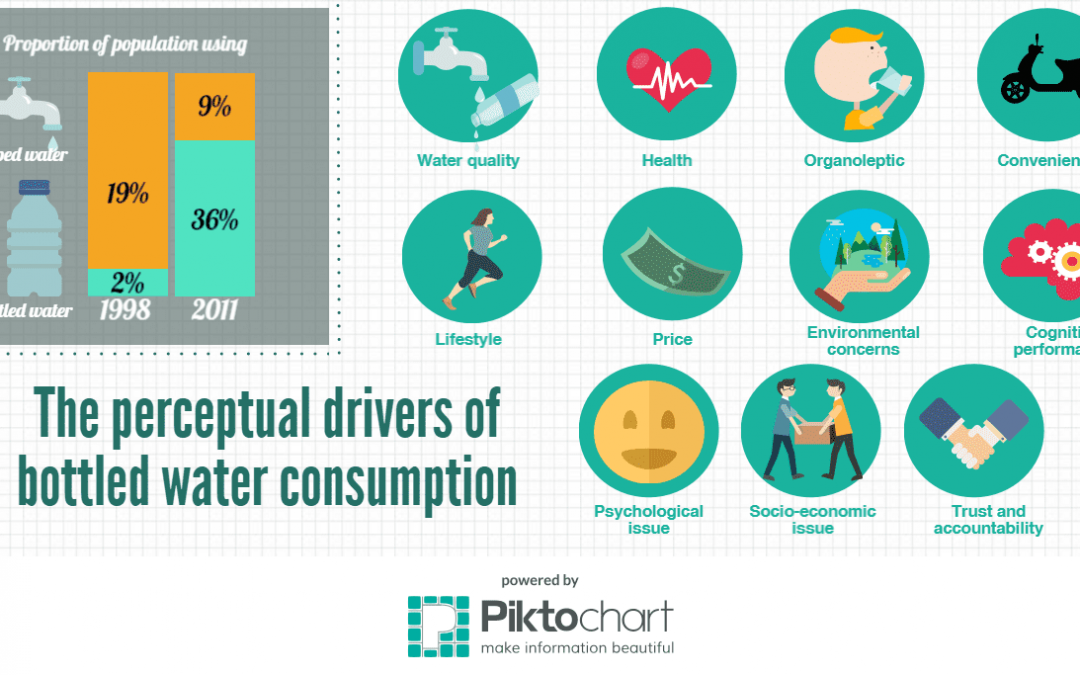
A recent review discusses the various factors that promote bottled water as superior to tap water.
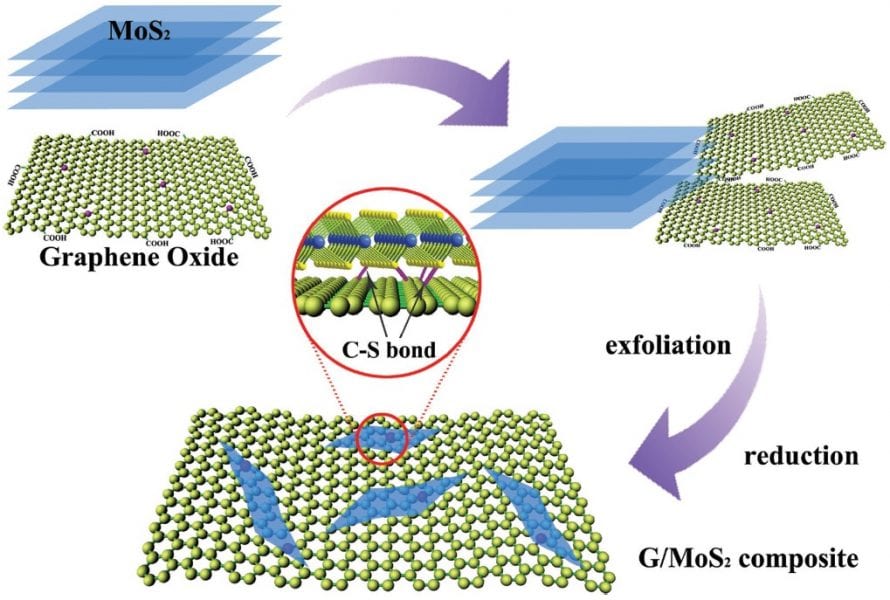
The electrochemical performance of graphene/MoS2 heterostructures is optimised and the kinetics of their lithium storage mechanism are elucidated.

Australia is well known as a hot country, but how individuals and organizations understand ‘heat’ is surprisingly varied, and is explored in a recent review.


 Micron-sized hidden dimensions could solve two of physics’ deepest puzzles
 Turning Periods into Power: Menstrual Blood a Valuable Resource for Medical Diagnostics
 Surfactants Steer Supraparticle Structure
 Bone loss in obesity traced to gut microbiota
 Edible electronics realize safe, complex monitoring devices
 Fermilab Confirms Muon g-2 Measurements