Creating antiviral drugs to help treat infected patients is more important than ever. Now, researchers report a non-toxic macrocycle antiviral agent that shows high efficacy against several influenza strains.
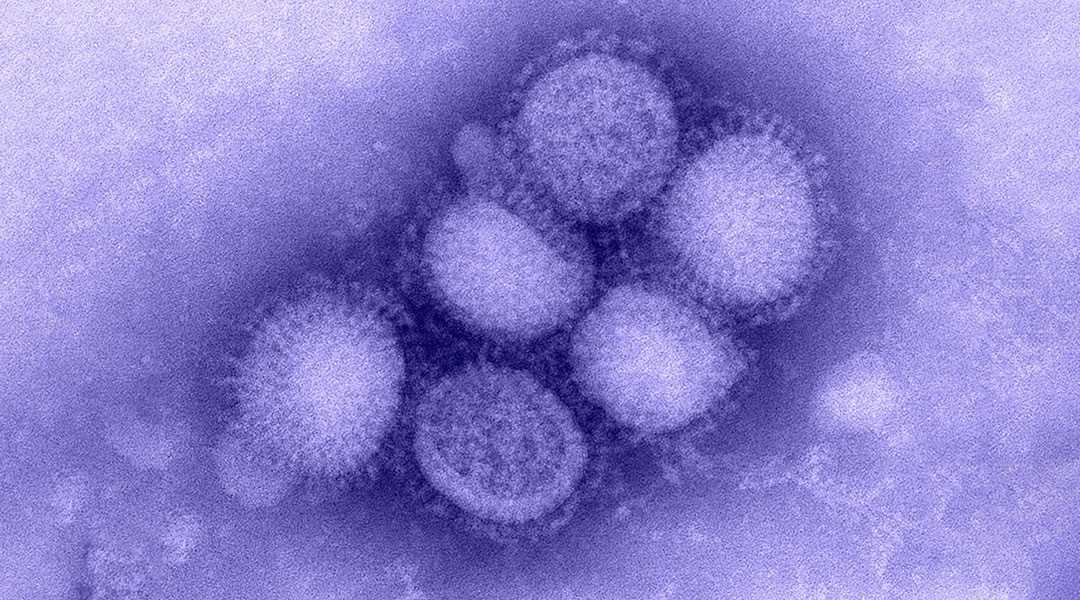

Creating antiviral drugs to help treat infected patients is more important than ever. Now, researchers report a non-toxic macrocycle antiviral agent that shows high efficacy against several influenza strains.
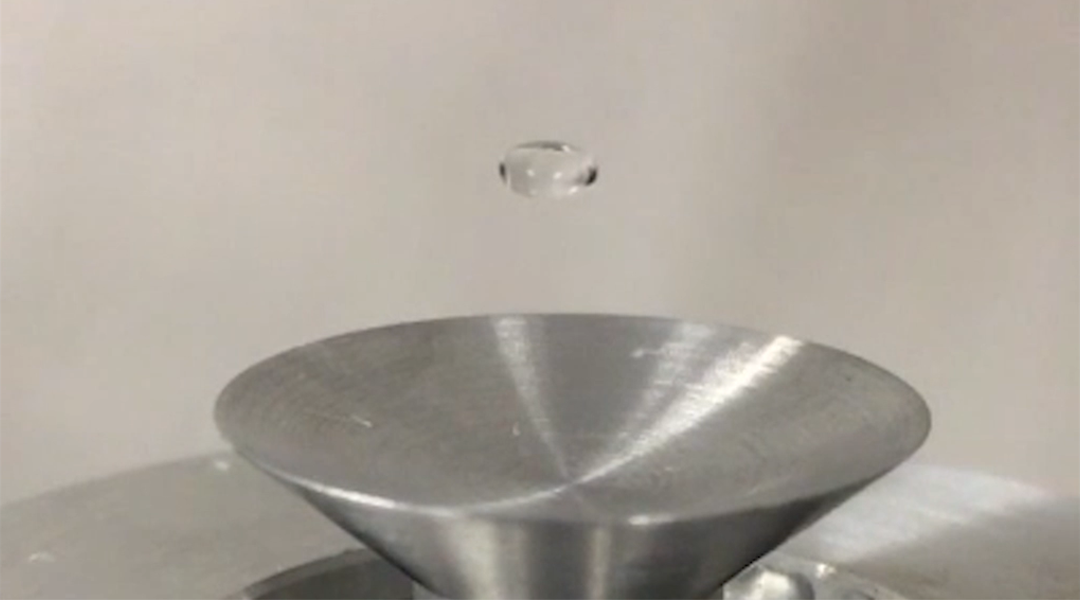
Using ultrasonic standing waves, researchers levitate droplets of solvent, which can be used for chemical reactions.
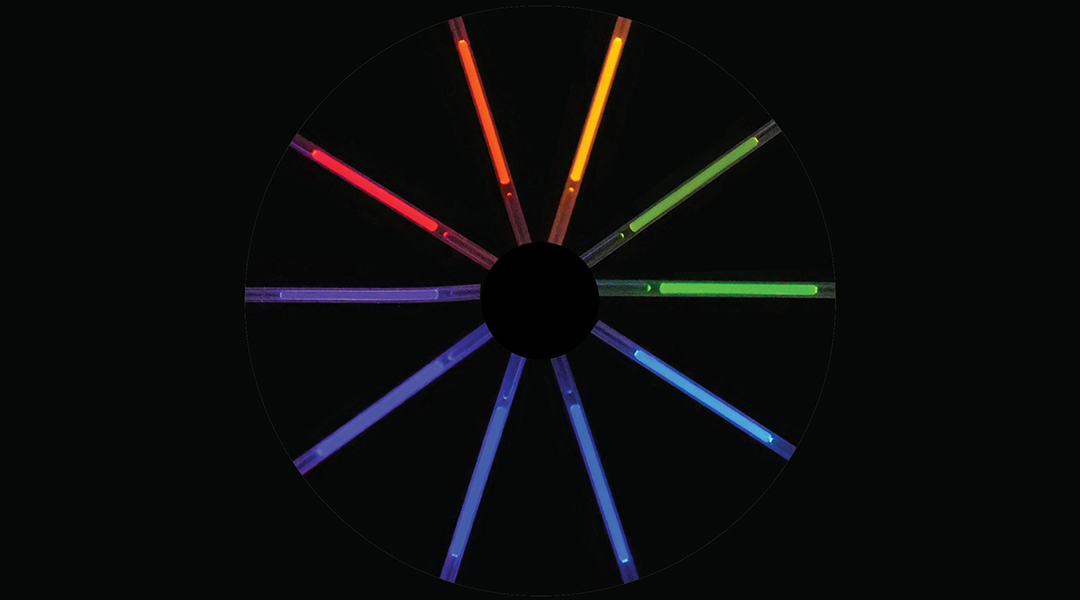
AI and robotics meet fluidics to accelerate materials development, allowing researchers to create quantum dots in under an hour.
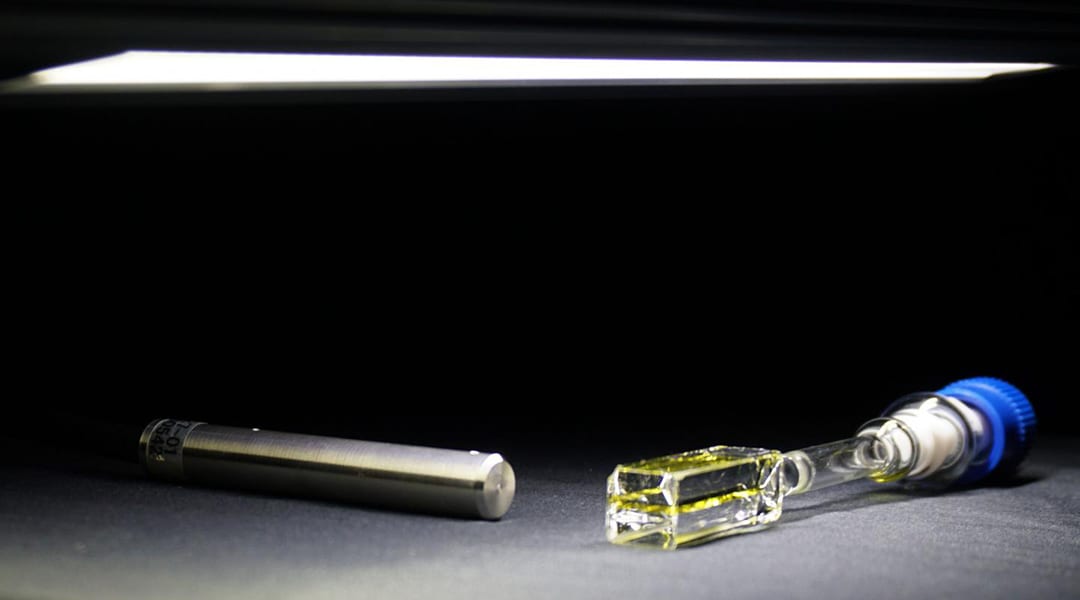
Newly developed molecular system makes efficient conversion of sunlight and indoor LEDs into ultraviolet light possible to power photocatalysts that enable a variety of useful reactions.

A low temperature water-splitting protocol uses microwave power in lieu of concentrated solar energy.
Much like a zipper, carbene molecules cooperate on a gold surface to join two rows of atoms into one row, resulting — step by step — in a new surface structure.

For the first time, two women share the Nobel prize for chemistry. Their work with CRISPR helped usher in a new generation of precision genome editing.

Researchers at Hokkaido University call into question the strong and stable image of the carbon-carbon single bond.

Pressing a layered crystal onto a gold surface is all it takes to pull off a 2D atomic layer, a method that outperforms scotch tape on industrially relevant scales.

Solid-state physicists and materials chemists are now in excellent “shape” to expand and accelerate their explorations of the science of topological materials for a wide range of possible applications.
 New theory suggests gravity is not a fundamental force
 Higgs boson may be driving the Universe’s expansion
 Water-powered gadgets may be on the horizon thanks to new evaporation-based energy device
 Scientists discover a new class of antibiotics
 Micron-sized hidden dimensions could solve two of physics’ deepest puzzles
 A new type of dark matter could explain mysterious radiation from the Milky Way’s core