New research shows in situ processes as a solution to improve dispersion in nanocomposites.
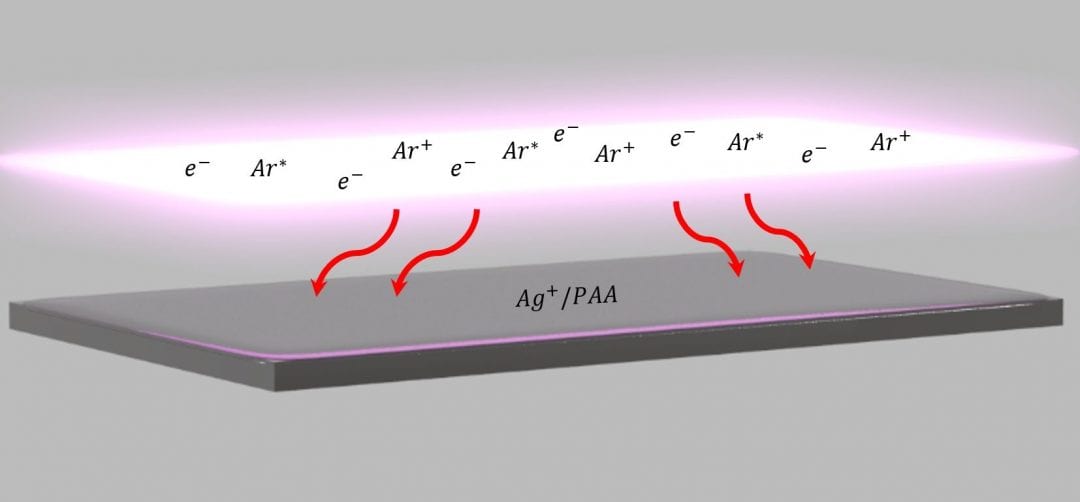

New research shows in situ processes as a solution to improve dispersion in nanocomposites.
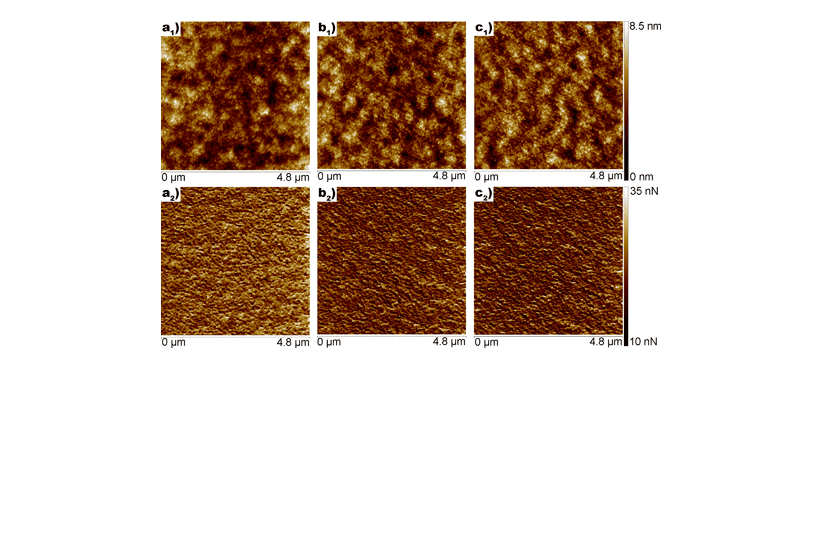
New research on the self-regenerative effect of siloxane coatings on polycarbonate.
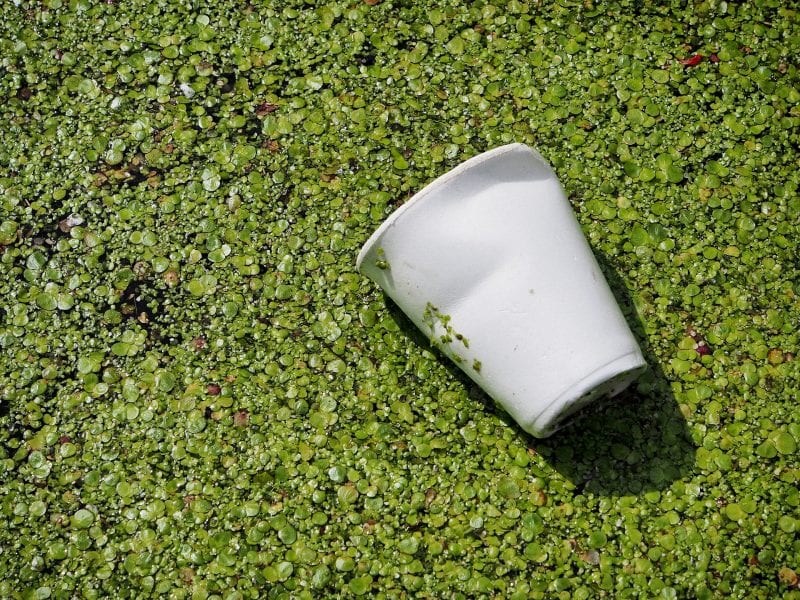
The stability of biodegradable polymers in both fresh water and sea water is investigated to determine how degradable they really are.
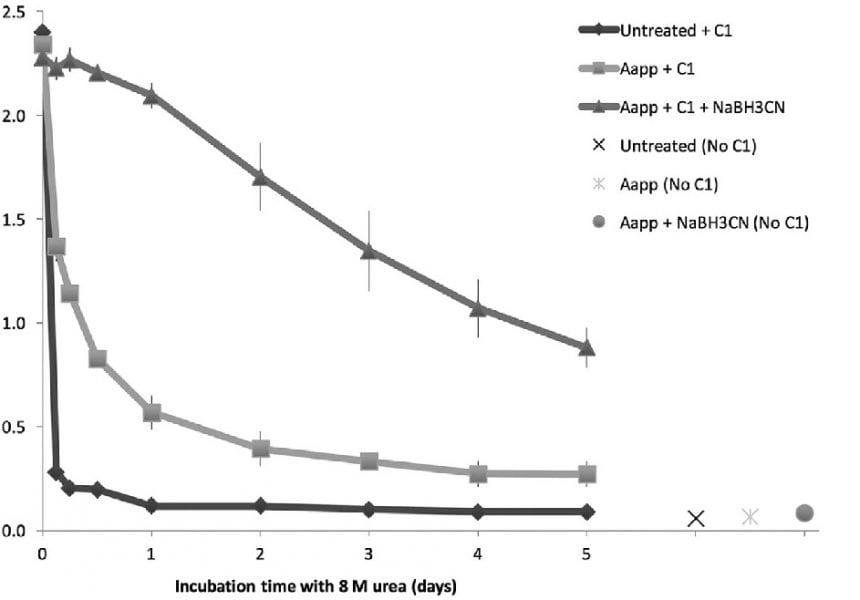
A new technique for surface chemical analysis with collagen ELISA to optimize surface fictionalization for implantation is presented.
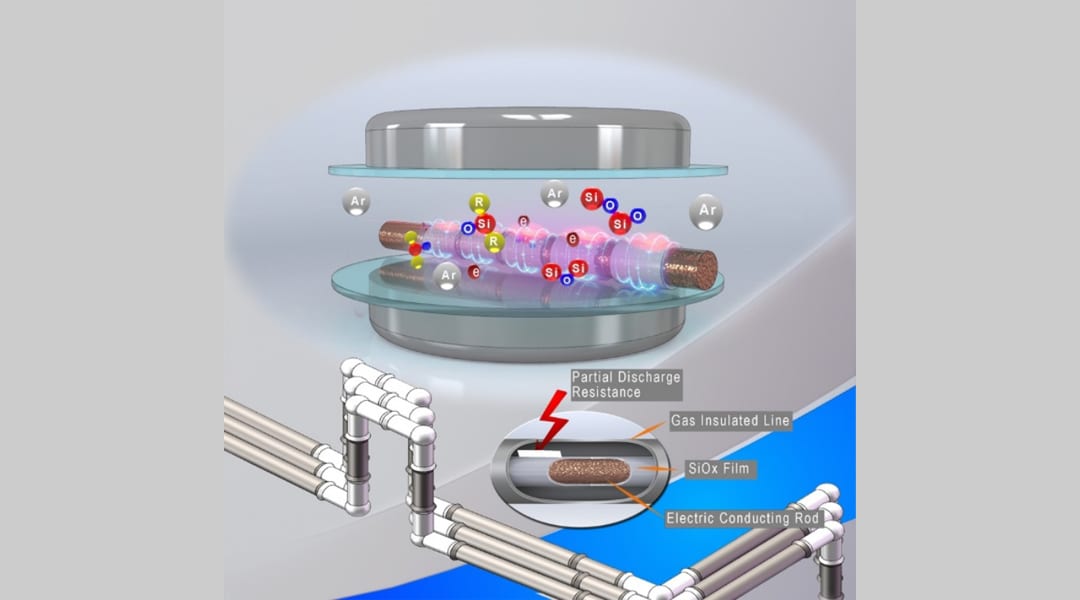
Using plasma-deposited siloxane films with a high dielectric permittivity on copper avoids long-time partial discharge.

Nominate a colleague for the Biopolymers Murray Goodman Memorial Prize, awarded for accomplishments in biochemistry, biophysical chemistry, biophysics and/or chemical biology.
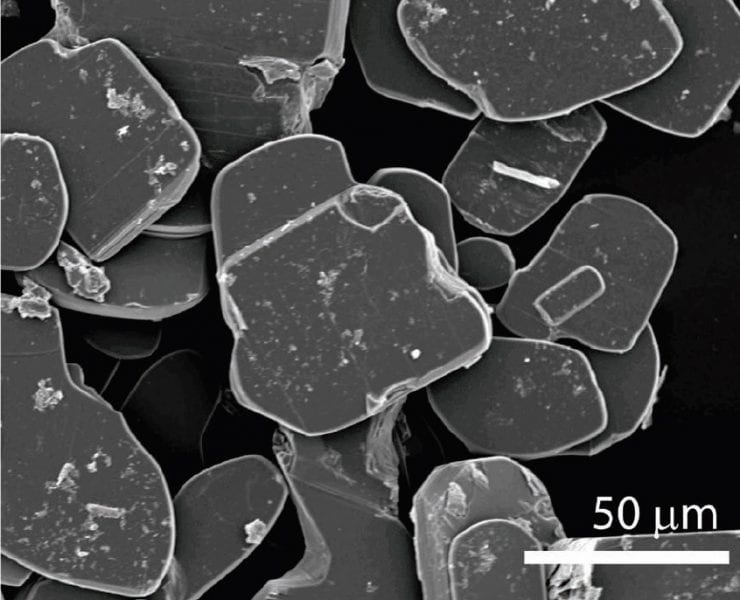
This organic–inorganic composite lubricant displays the best of both worlds for solid-state, high-temperature applications.
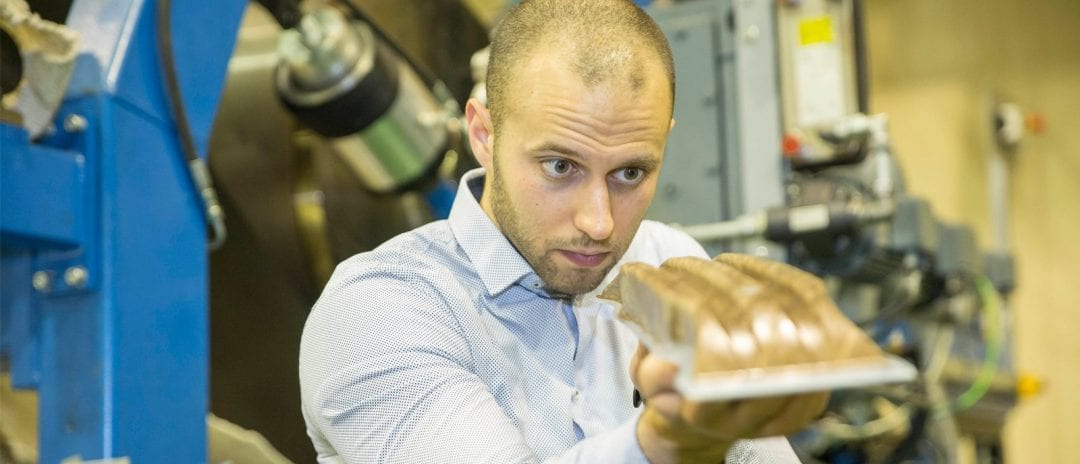
Chemnitz scientists develop bio-based fiber-plastic-compounds for a future sustainable large-scale production.
Osmotic engine: translating osmotic pressure into macroscopic mechanical force
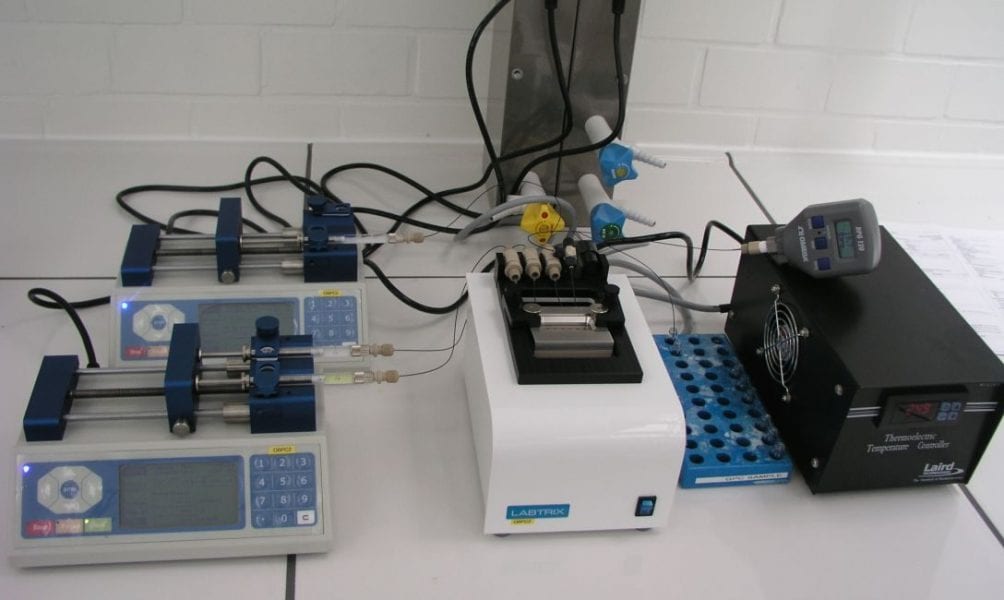
Combining continuous flow processing and on-line monitoring allows for efficient optimization of chemical reactions
 New theory suggests gravity is not a fundamental force
 Higgs boson may be driving the Universe’s expansion
 Water-powered gadgets may be on the horizon thanks to new evaporation-based energy device
 Scientists discover a new class of antibiotics
 Micron-sized hidden dimensions could solve two of physics’ deepest puzzles
 A new type of dark matter could explain mysterious radiation from the Milky Way’s core