Researchers create soft robots that can sense touch, pressure, movement and temperature.


Researchers create soft robots that can sense touch, pressure, movement and temperature.

Precision micromanufacturing of electrospun microfibers can create 3D scaffold structures which support the growth of tessellated microtissues.
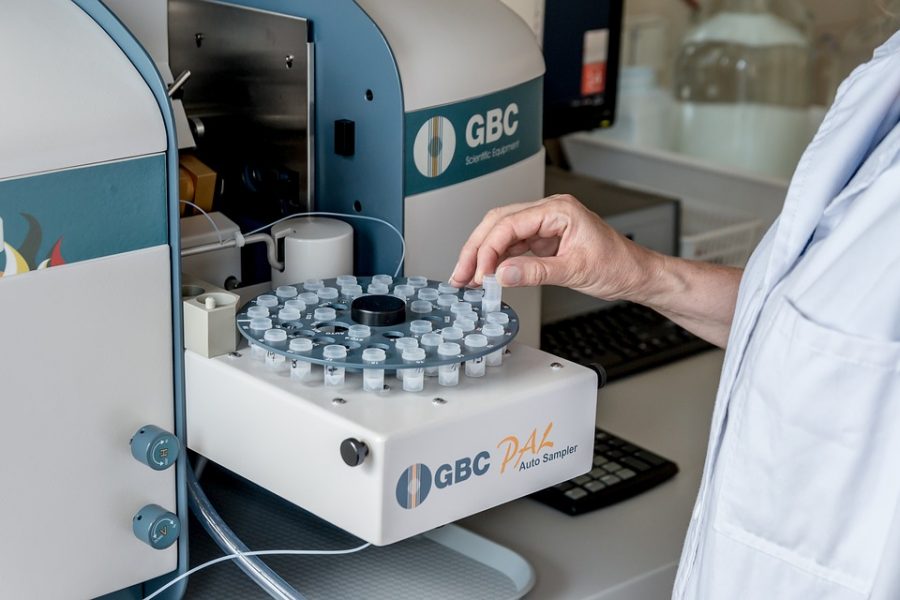
Special Issue: Biochemistry of Protein‐Protein and Protein‐Lipid Interactions: Applications to Biotechnology
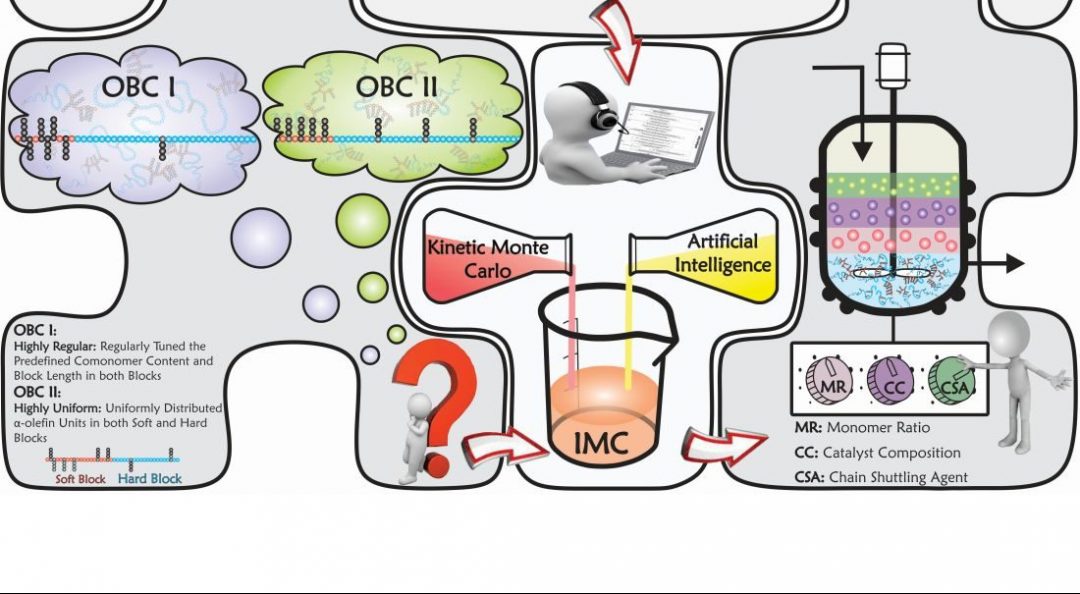
A new paradigm for inverse polymerization engineering is presented by leading experts in the field.

Capacitive pressure sensors created from silica nanoparticles dispersed in a dielectric polymer matrix force a rethink of device design.
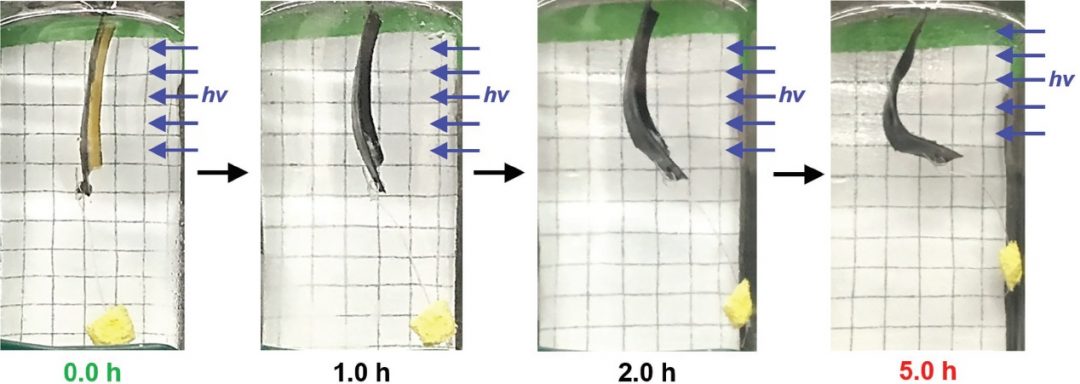
A photoinduced redox reaction is used to cause the contraction of an artificial hydrogel muscle, leading to macroscale actuation and measurable work.
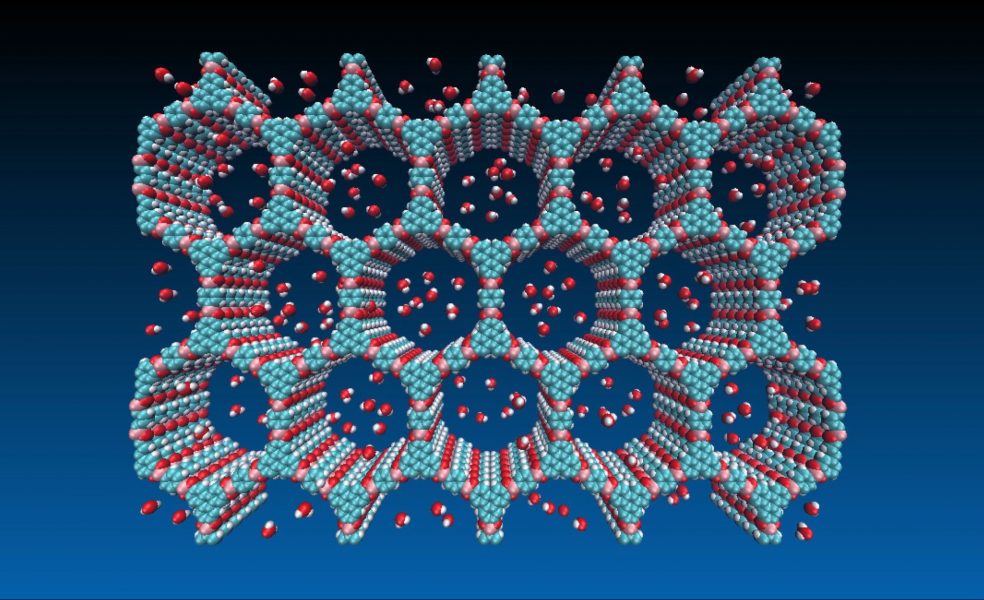
Scientists from the USA and from the Kingdom of Saudi Arabia use DFT calculations for investigating the hydrolysis of boronate ester-linked COFs.

Researchers from Linz and Alberta have developed a polymer reaction engineering framework for catalyst kinetic parameters.
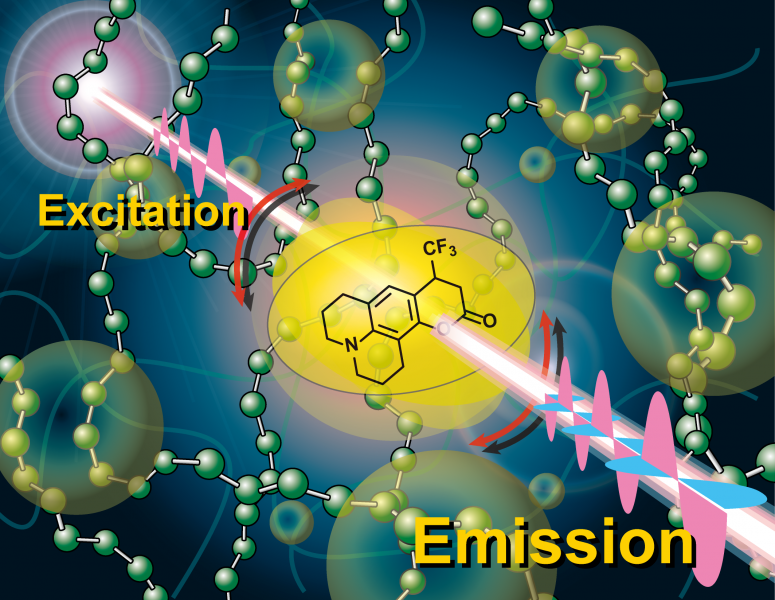
Macromolecular Chemistry and Physics showcases advances in polymer characterization and morphology
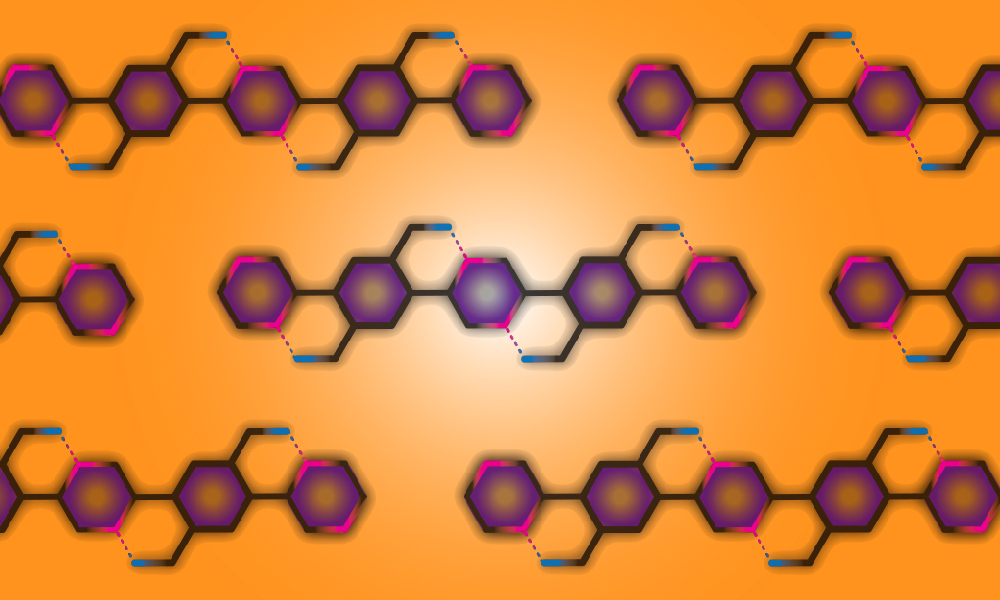
Prof. Lei Fang reviews how co-planar conformation in π-conjugated systems can be locked by using dynamic noncovalent bonds.
 New theory suggests gravity is not a fundamental force
 Higgs boson may be driving the Universe’s expansion
 Water-powered gadgets may be on the horizon thanks to new evaporation-based energy device
 Scientists discover a new class of antibiotics
 Micron-sized hidden dimensions could solve two of physics’ deepest puzzles
 A new type of dark matter could explain mysterious radiation from the Milky Way’s core