A modification to the theory of general relativity makes it consistent with observable astronomical data without the need for dark energy.

A modification to the theory of general relativity makes it consistent with observable astronomical data without the need for dark energy.
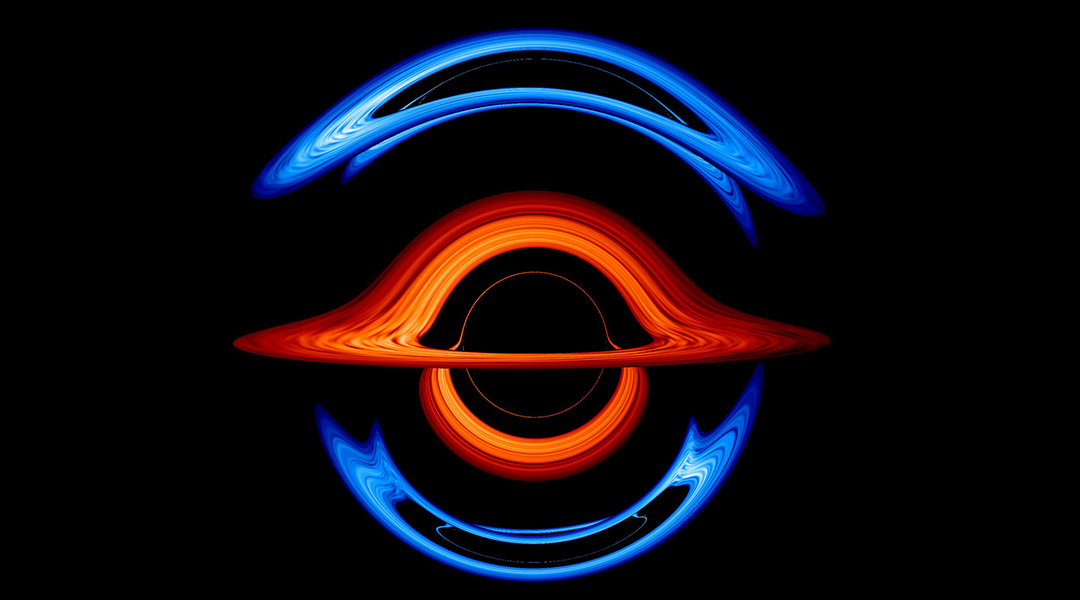
Merging pairs of black holes are thought to have originated from binary stars, but new observations indicate this might not always be true.
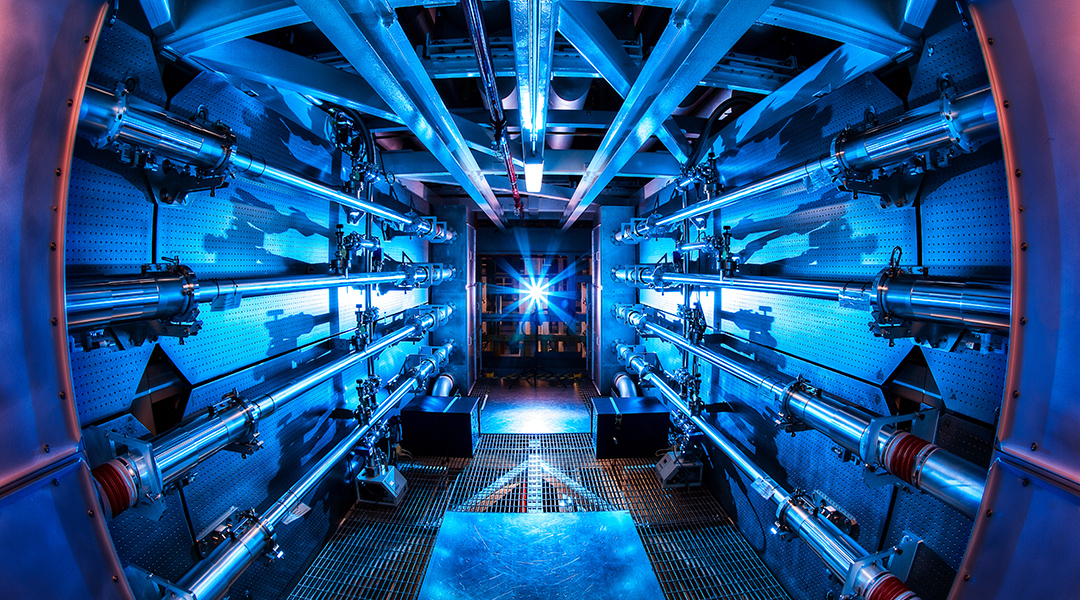
After decades of experimentation, US scientists achieve ignition in a controlled fusion experiment for the first time.

Scientists use quantum entanglement to compare two atomic clocks achieving what might be the ultimate precision possible.

An automated synthesis platform called Chemspeed reduces time and labor when searching for organic molecules as gain mediums in lasers.

Using the motion of sound waves through a superfluid liquid, scientists can model the Universe’s evolution on a reasonable time scale.
Scientists put chiral perturbation theory to the test with a set of new experiments that have helped define fundamental properties of protons.
Quantum gravity seeks to describe gravity according to the principles of quantum mechanics, but can it be done?

Optimizing plasma instabilities within a nuclear fusion reactor will pave the way for its use as a clean source of perpetual energy.
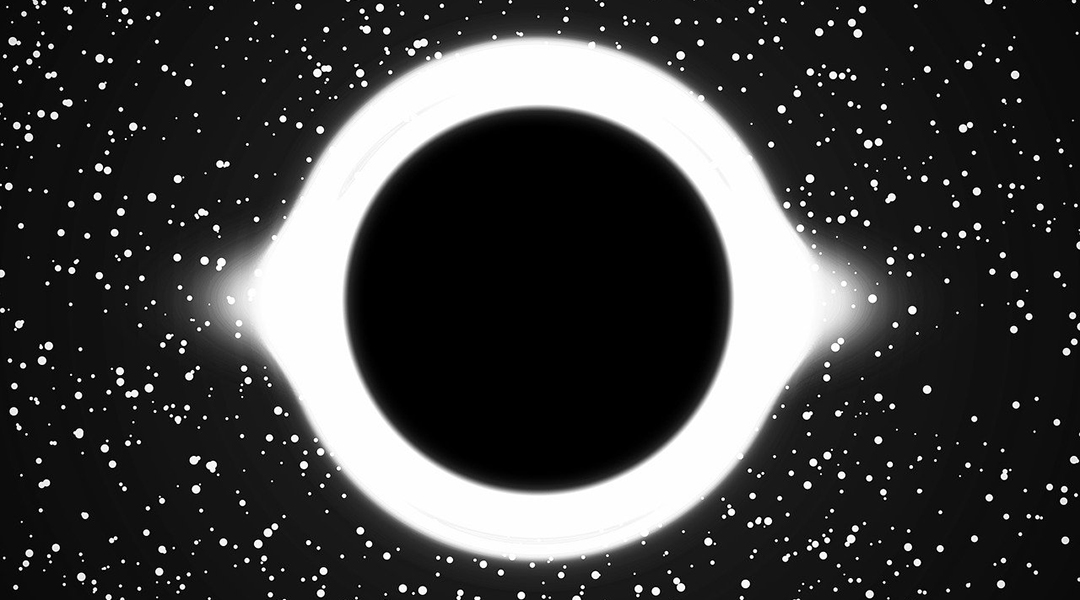
Oscillations measured in the orbits of a pair of black holes have once again helped confirm predictions made using general relativity.

 Micron-sized hidden dimensions could solve two of physics’ deepest puzzles
 Turning Periods into Power: Menstrual Blood a Valuable Resource for Medical Diagnostics
 Surfactants Steer Supraparticle Structure
 Bone loss in obesity traced to gut microbiota
 Edible electronics realize safe, complex monitoring devices
 Fermilab Confirms Muon g-2 Measurements