Current advances in that latest progress in shifting the upconversion excitation wavelengths of lanthanide doped upconversion nanoparticles to a biological “sweet spot” of 800nm.
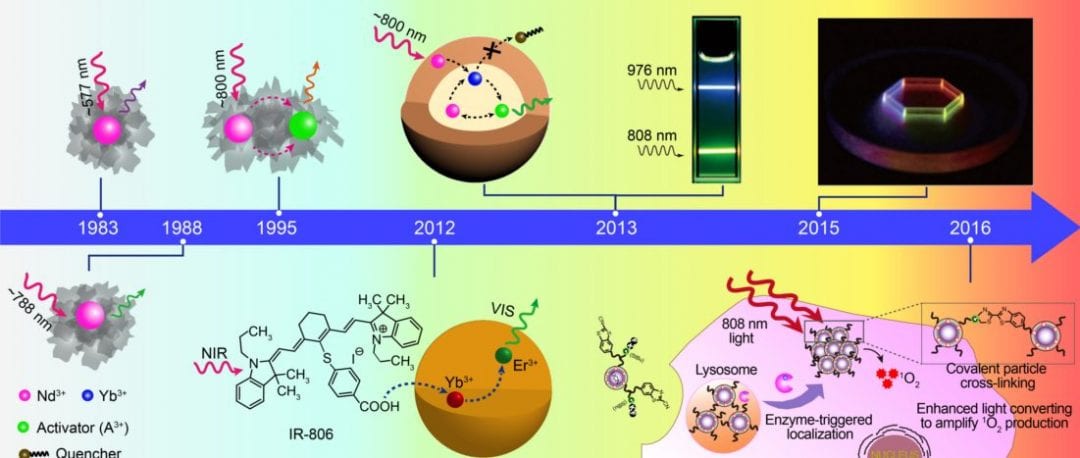


Current advances in that latest progress in shifting the upconversion excitation wavelengths of lanthanide doped upconversion nanoparticles to a biological “sweet spot” of 800nm.

Researchers have developed an efficient system for waste heat recovery in engines.
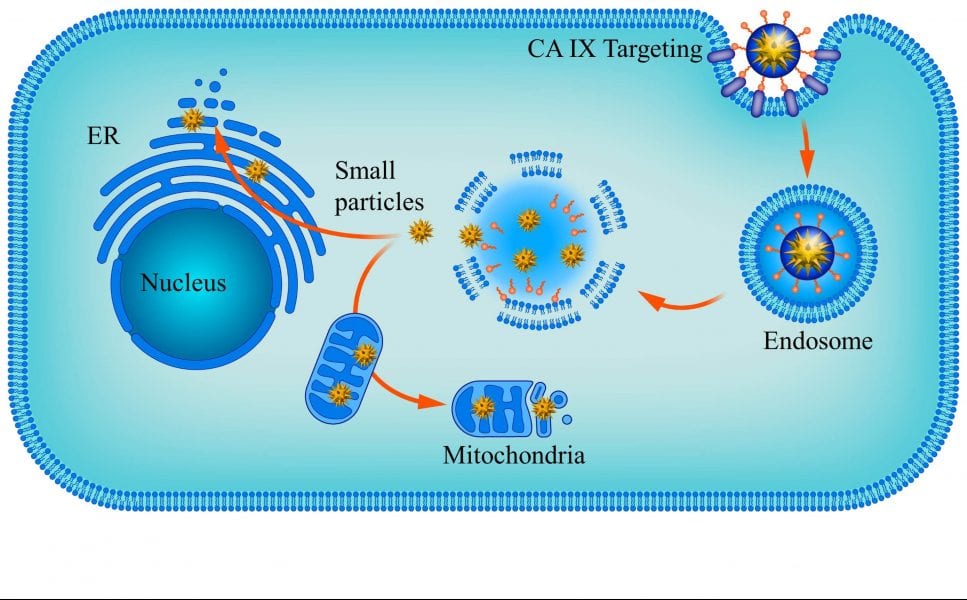
The fabrication of a specific nanomedicine, prickly shaped nanoparticles, enables a novel cancer treatment methodology.
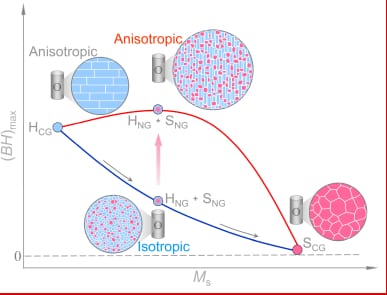
An exciting new strategy and direction in the quest for stronger permanent-magnet materials with fewer critical elements.

Combinatorial strategies that use biomaterials for regeneration of the injured central nervous system.
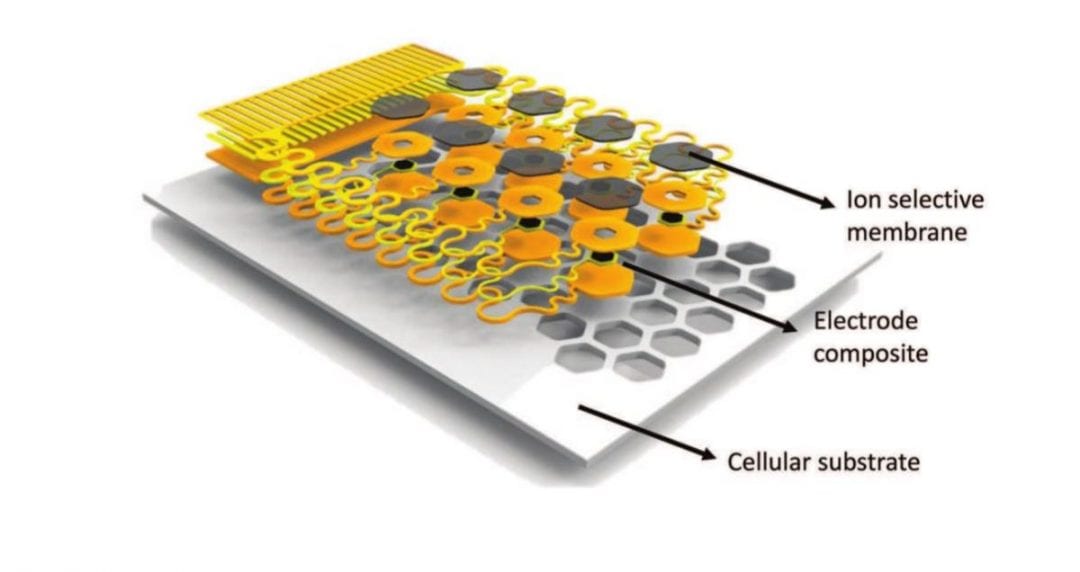
Thin, stretchable chemical sensing systems that mount on open cellular substrates for biofluids.
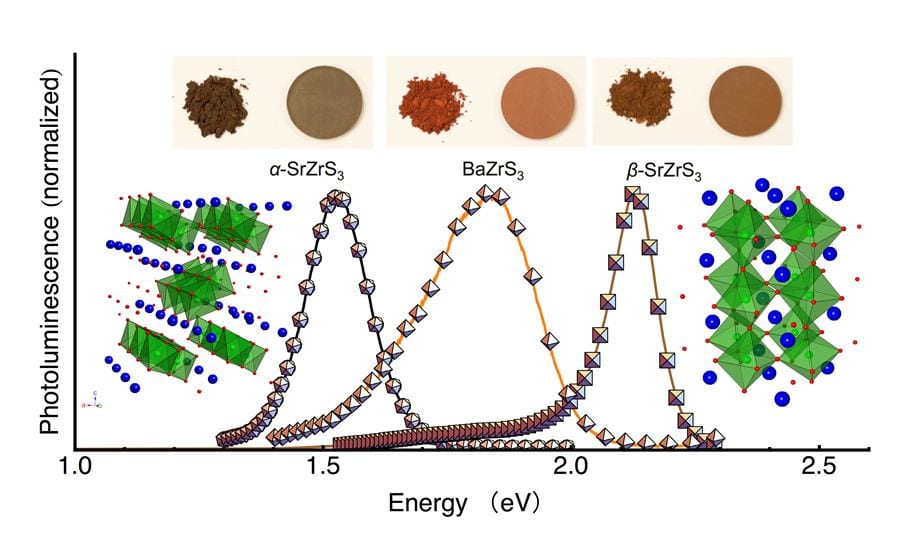
Transition metal perovskite chalcogenides are a new class of versatile semiconductors with high absorption coefficient and luminescence efficiency.
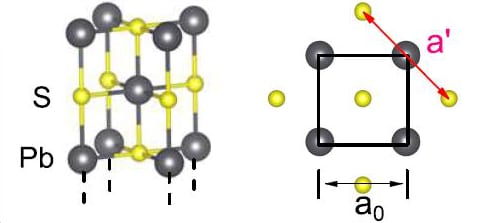
A PbS monolayer is demonstrated to be a novel platform for topological, valleytronic, and optical phenomena.

The 36th APS, which took place in Lorne, Victoria, from November 20-23, featured talks on a wide range of polymer science topics from both local and international speakers.
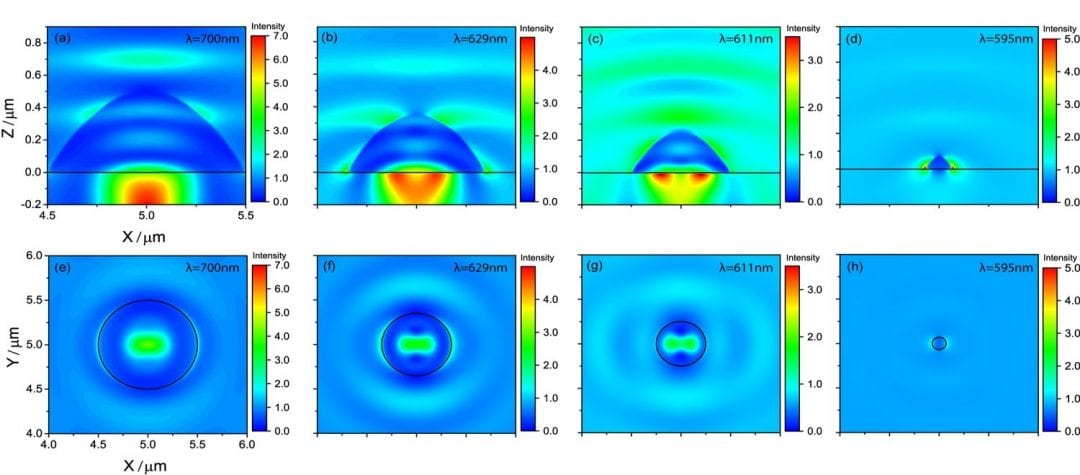
Researchers from EMPA, the Swiss Federal Institute for Science and Technology, present light scattering enhancement at the absorption edge in dewetting droplets of cyanine dyes.