Researchers were able to detect a “needle” of highly fragile quantum information in a “haystack” of nuclei.


Researchers were able to detect a “needle” of highly fragile quantum information in a “haystack” of nuclei.
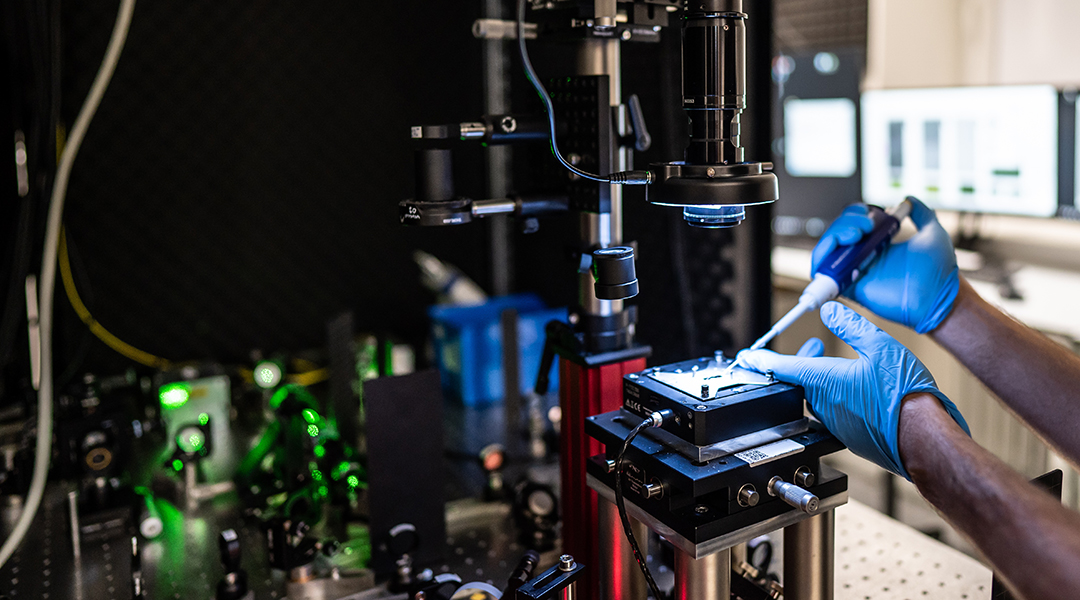
A new method with unprecedented resolution allows researchers to visualize dynamic and elusive mechanisms that underpin essential biological processes, such as cell division.
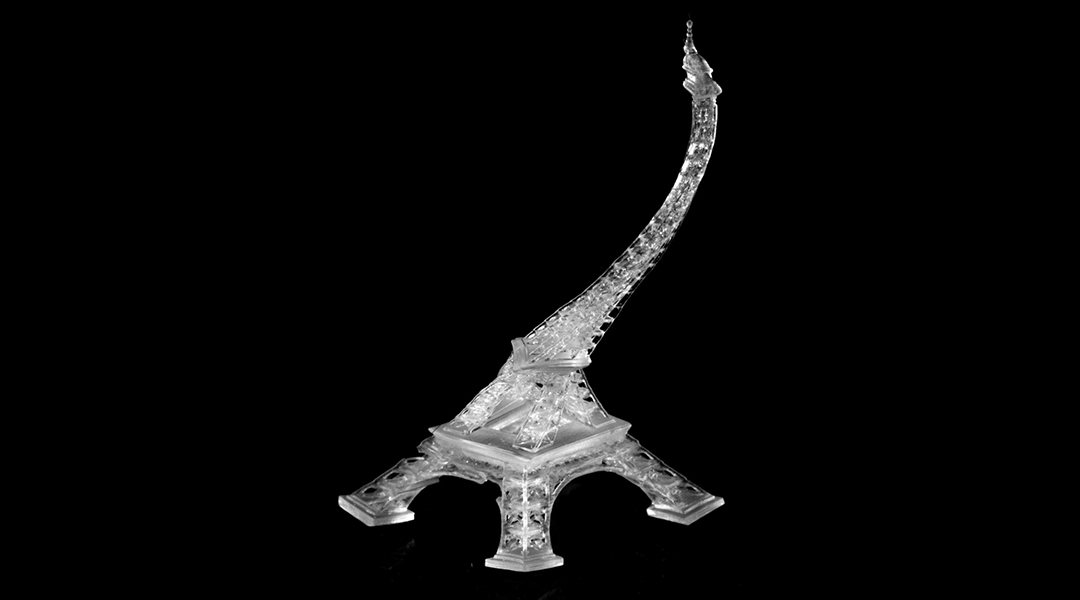
Light provides freedom to control each layer and improves precision and speed.
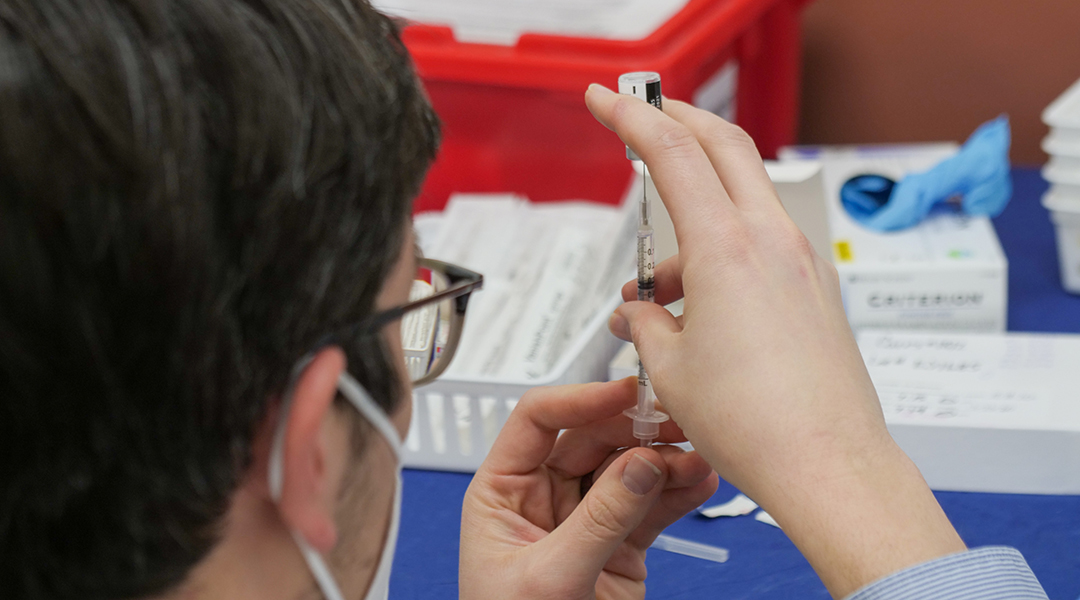
Russia’s Sputnik V coronavirus vaccine gives around 92% protection against COVID-19, results published in The Lancet reveal.
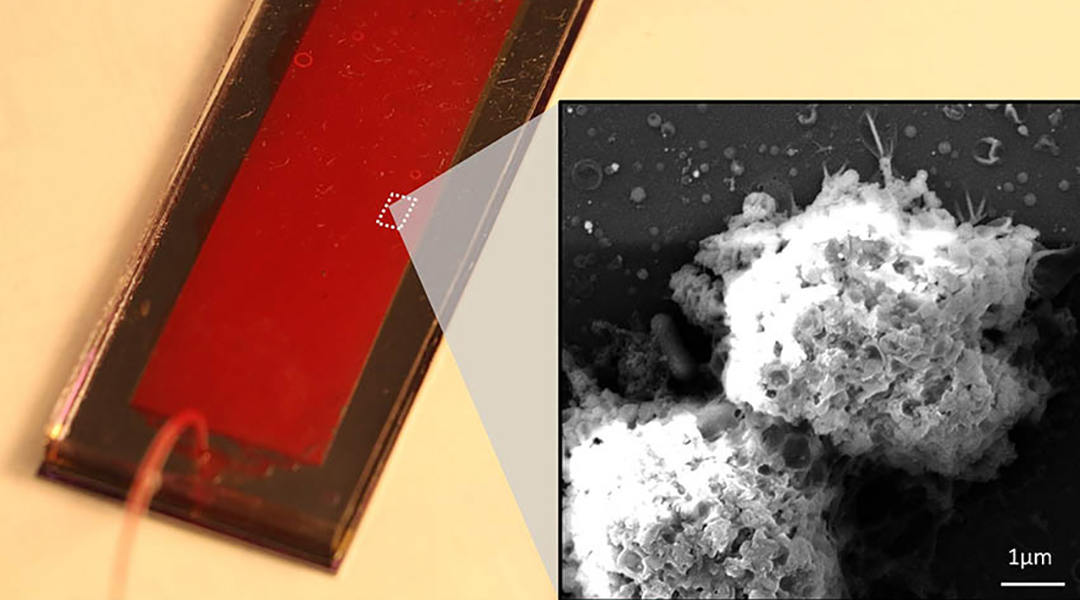
Engineers and oncologists teamed up to develop a microfluidic chip capable of capturing the body’s natural killer immune cells to harvest their cancer-killing exosomes.

The Dyatlov Pass incident is an intriguing unsolved mystery. Now, researchers from EPFL and ETH Zürich use science to put forth a plausible explanation for the mysterious death of nine hikers.
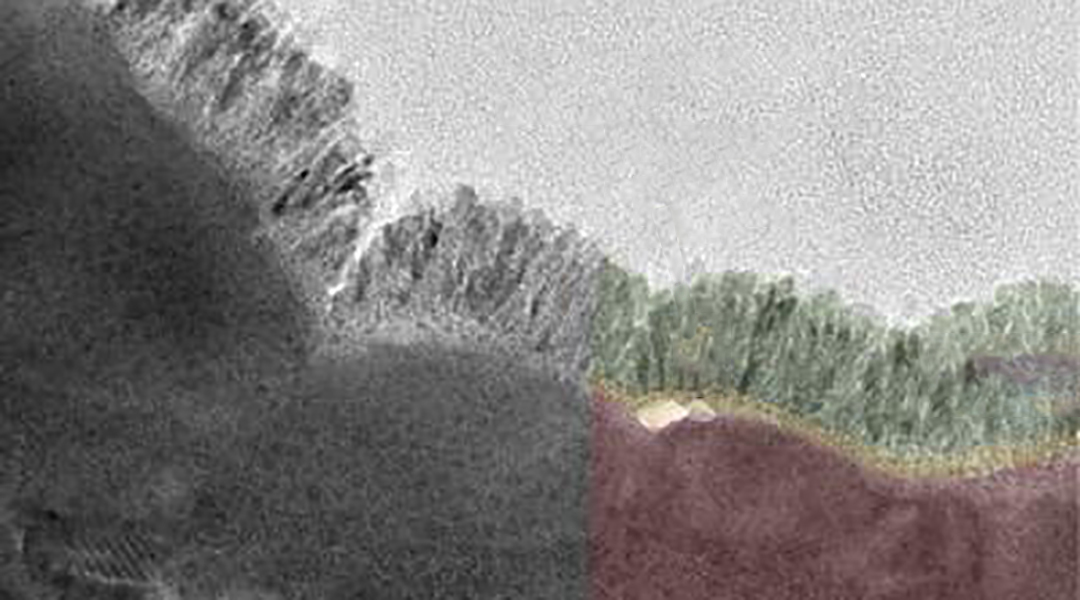
New photoanodes promise high efficiencies in producing hydrogen in a climate-neutral way.
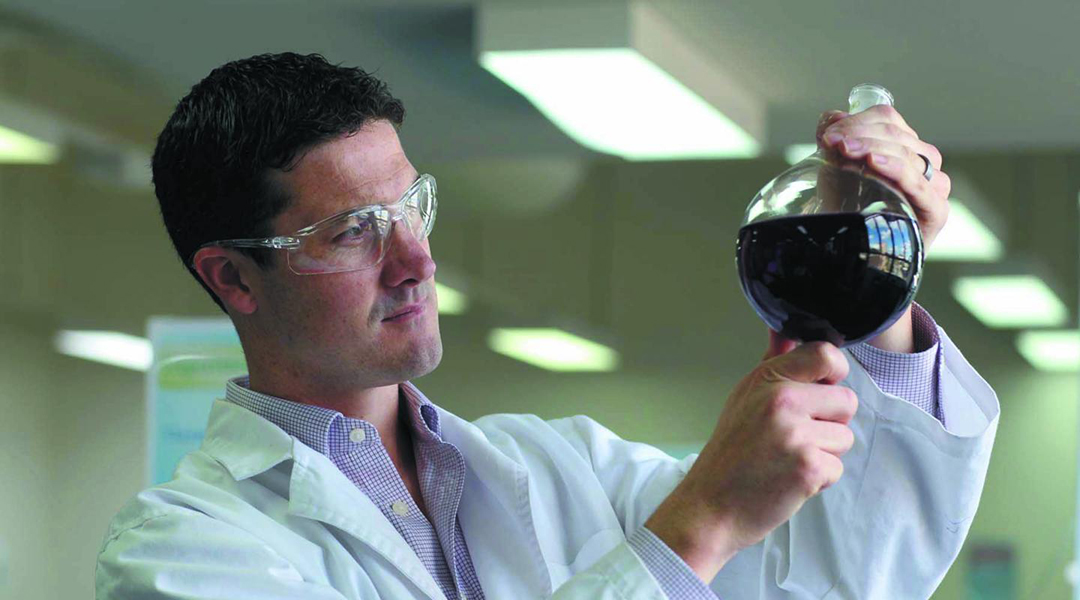
Nvel tuberculosis vaccine demonstrated strong immune response in mice.
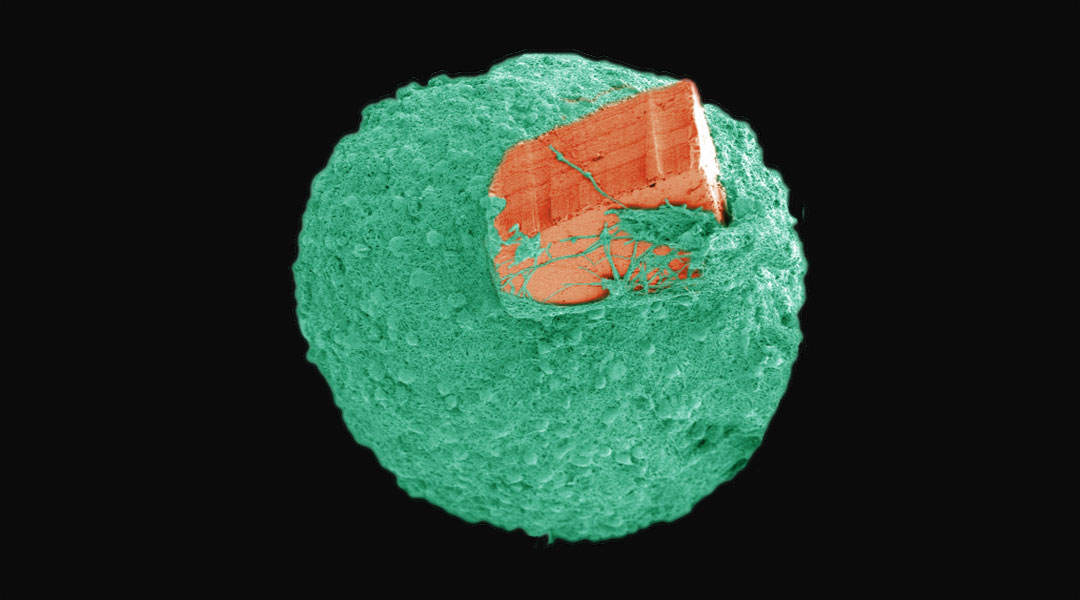
From Trojan horses that help sneak therapeutics past the blood–brain barrier to advanced brain models built on microchips, we celebrate innovative science in breathtaking images.
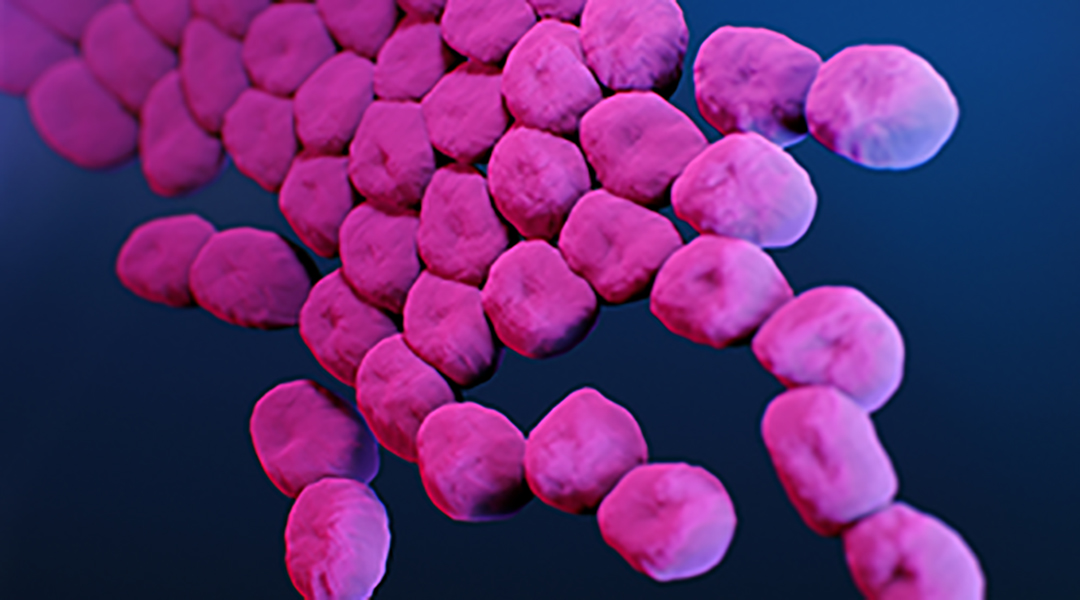
Scientists investigated phages that can kill the world’s leading superbug, Acinetobacter baumannii, which is responsible for up to 20% of infections in intensive care units.