Nanostructured hydroxyapatite (nHAp) appears to have a great potential to revolutionize the hard tissue-engineering field, starting from bone repair and augmentation to controlled drug delivery systems.
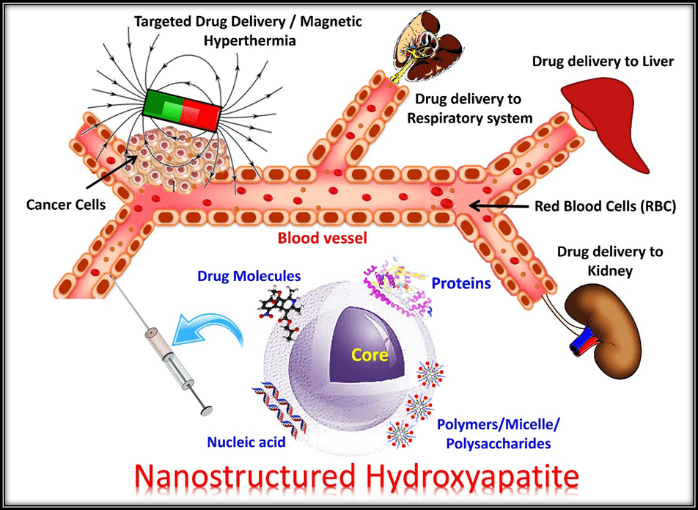

Nanostructured hydroxyapatite (nHAp) appears to have a great potential to revolutionize the hard tissue-engineering field, starting from bone repair and augmentation to controlled drug delivery systems.
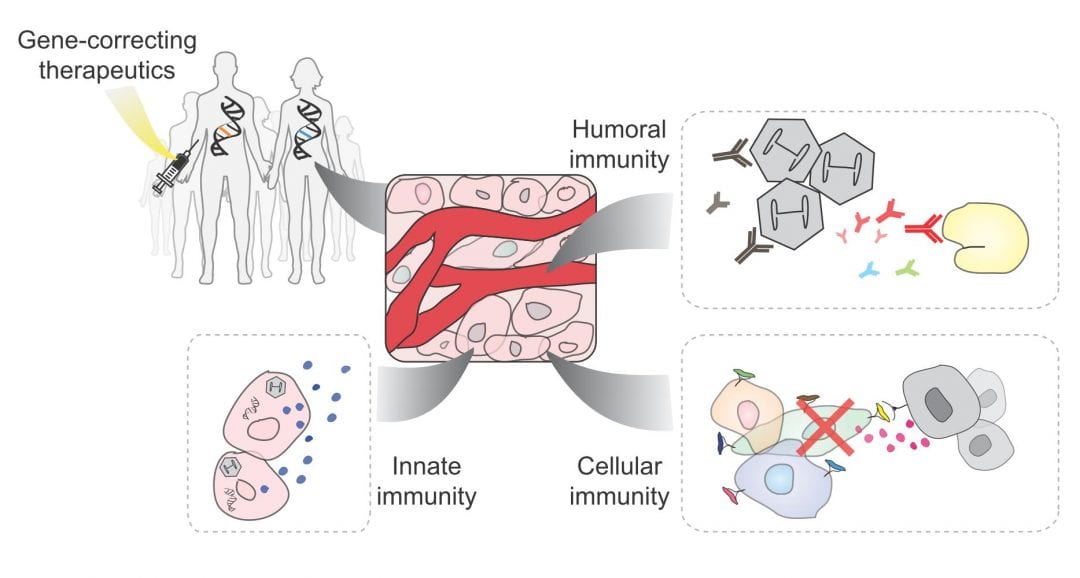
Genome-editing therapeutics introduce foreign nucleic acids and proteins into the circulation and cells, which can activate the innate, cellular, and humoral immunity in human patients. The key obstacle in translating CRISPR therapeutics to the clinic is hence to identify, diminish, and monitor these immunological risks before adverse immune reactions.

Batteries from a variety of manufacturers are examined using high-speed X-ray imaging to determine their failure mechanisms during thermal runaway.
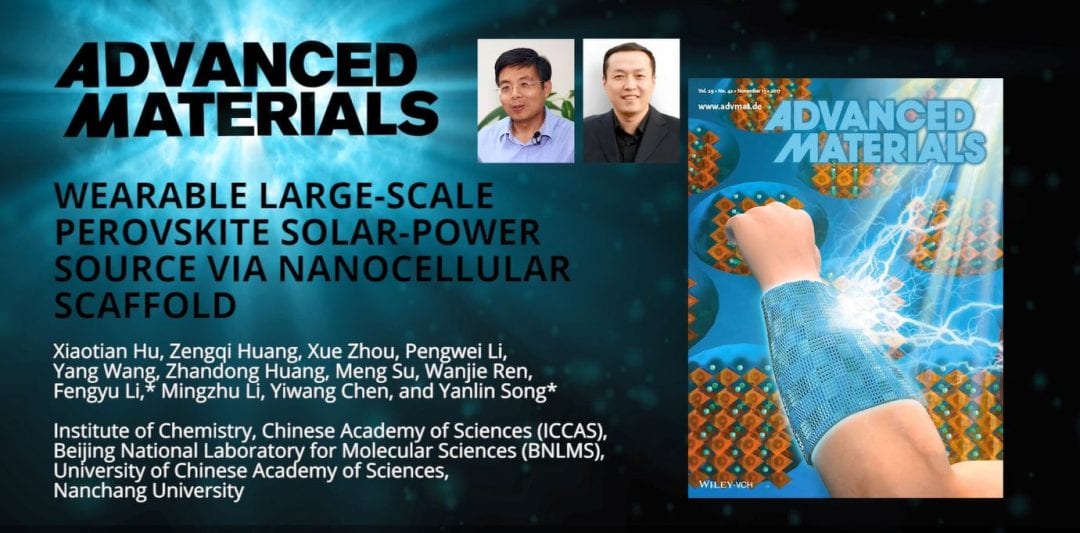
Fengyu Li and Yanlin Song from the Chinese Academy of Sciences, along with their co-workers, have designed high-performance flexible perovskite solar cells (PSCs) for wearable electronics using green printing technology.
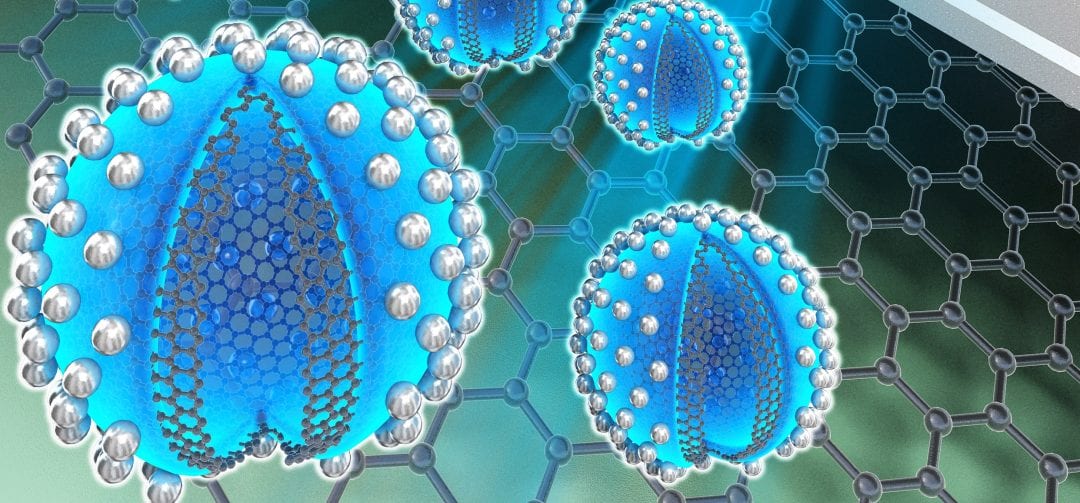
AMI presents the impressive covers of its current issue, highlighting electrochemistry, acoustic streaming, superhydrophobicity, and precision APT.
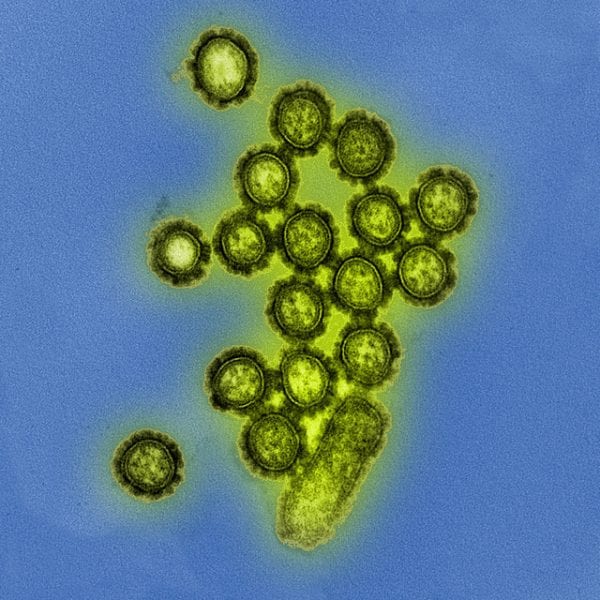
Polymeric nanoparticles acting as intracellular ROS regulators show promise as antiviral agents in influenza-infected kidney cells.
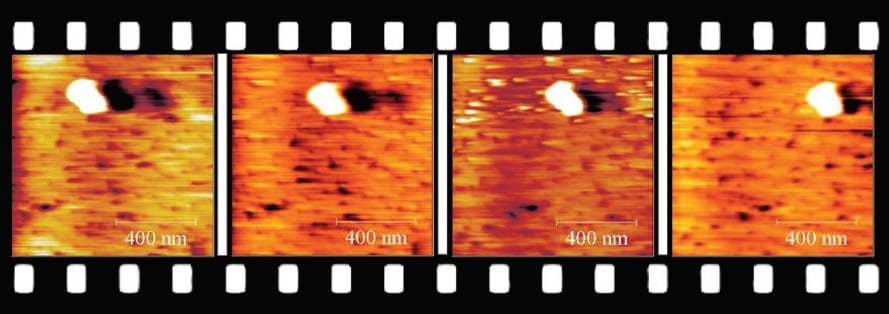
Stabilizing interfacial layers enable atomic force microscopy imaging of soft and dynamic liquid/liquid interfaces without any solid support.
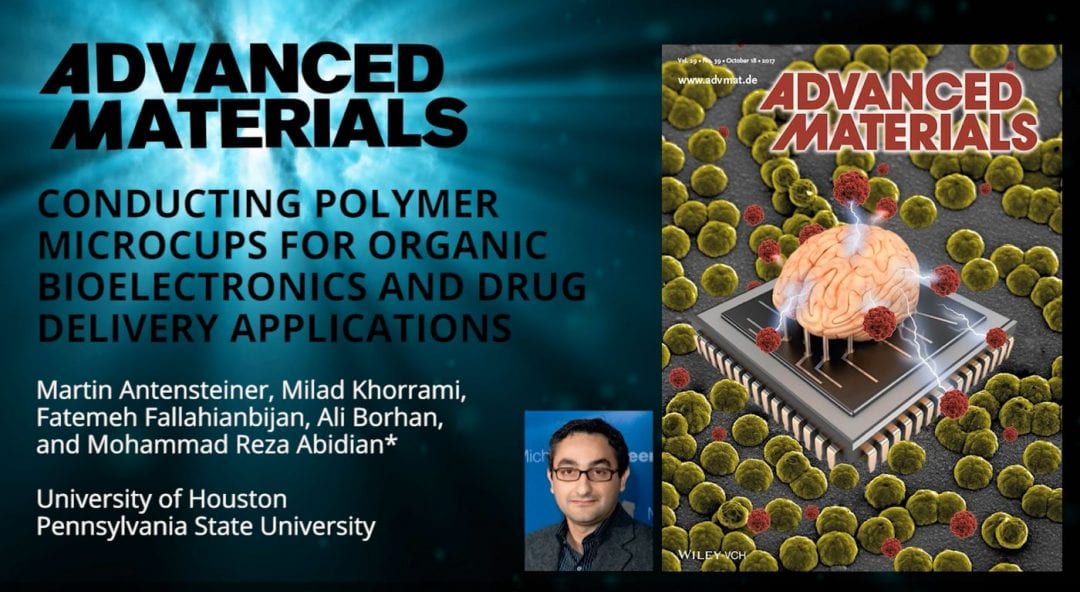
University of Houston and Pennsylvania State University researchers fabricate conducting polymer microcups from polylactic-co-glycolic acid (PLGA) for neural applications and drug delivery. These microcups are tunable in terms of size, surface roughness, electrical properties, and drug release.

A simple and effective, injectable hydrogel system with tunable fiber orientation for directed cell growth in demonstrated.
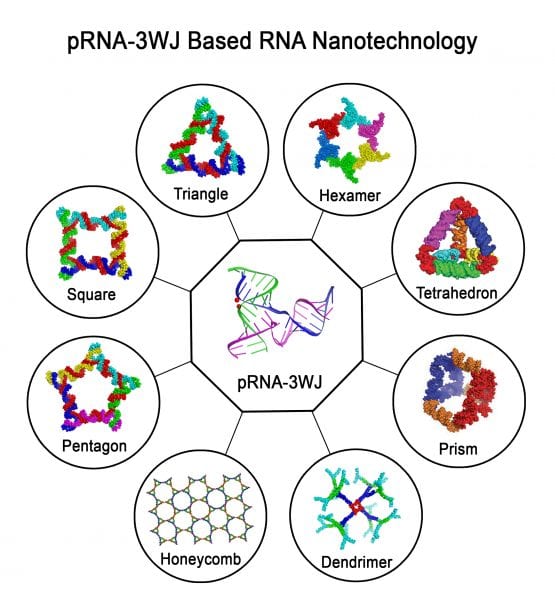
Recent advances in fabricating RNA nanostructures are highlighted, including their applications in vivo as imaging or therapeutic devices via specific delivery and targeting, or intracellular expression and assembly.
 New theory suggests gravity is not a fundamental force
 Higgs boson may be driving the Universe’s expansion
 Water-powered gadgets may be on the horizon thanks to new evaporation-based energy device
 Scientists discover a new class of antibiotics
 Micron-sized hidden dimensions could solve two of physics’ deepest puzzles
 A new type of dark matter could explain mysterious radiation from the Milky Way’s core