An asynchronous and self-adaptive flyer can adjust the frequency and amplitude of its wings under specific external disturbances.
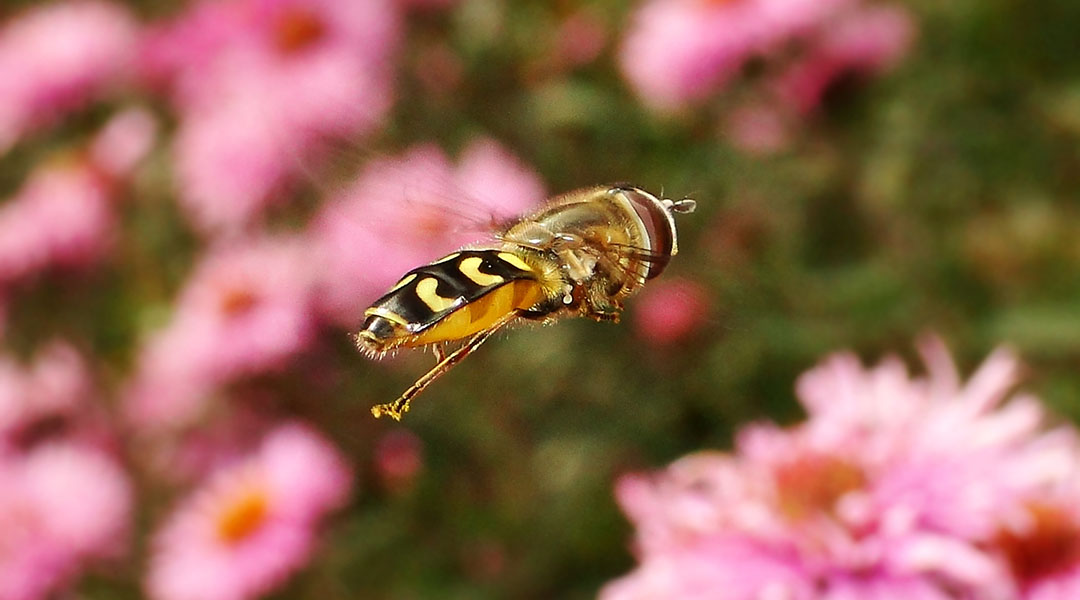

An asynchronous and self-adaptive flyer can adjust the frequency and amplitude of its wings under specific external disturbances.
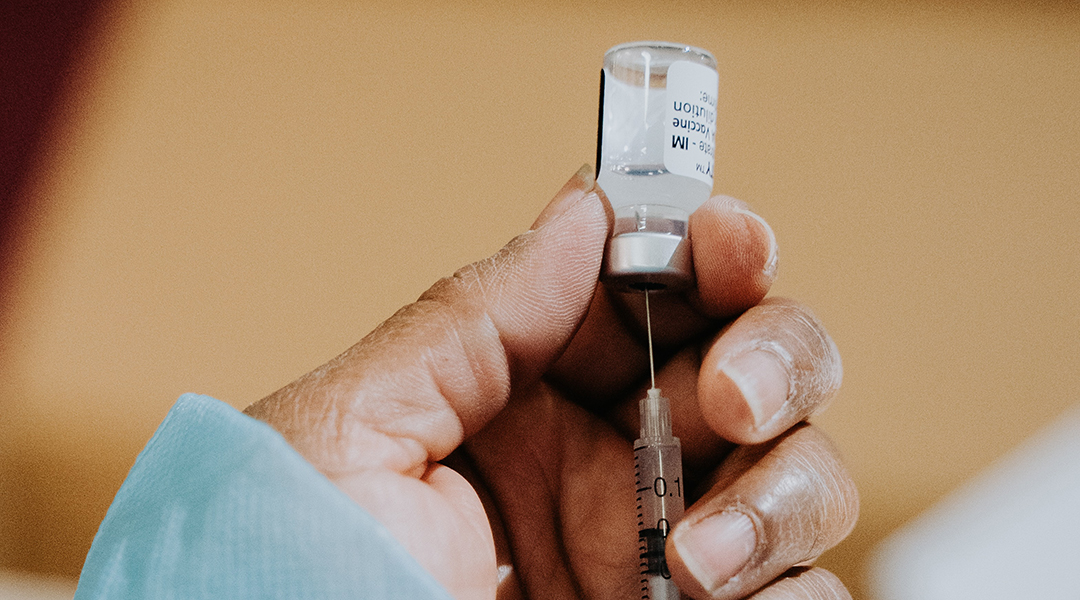
Two vaccines in early development are stable under high temperatures and could be game changers in global vaccine equity.
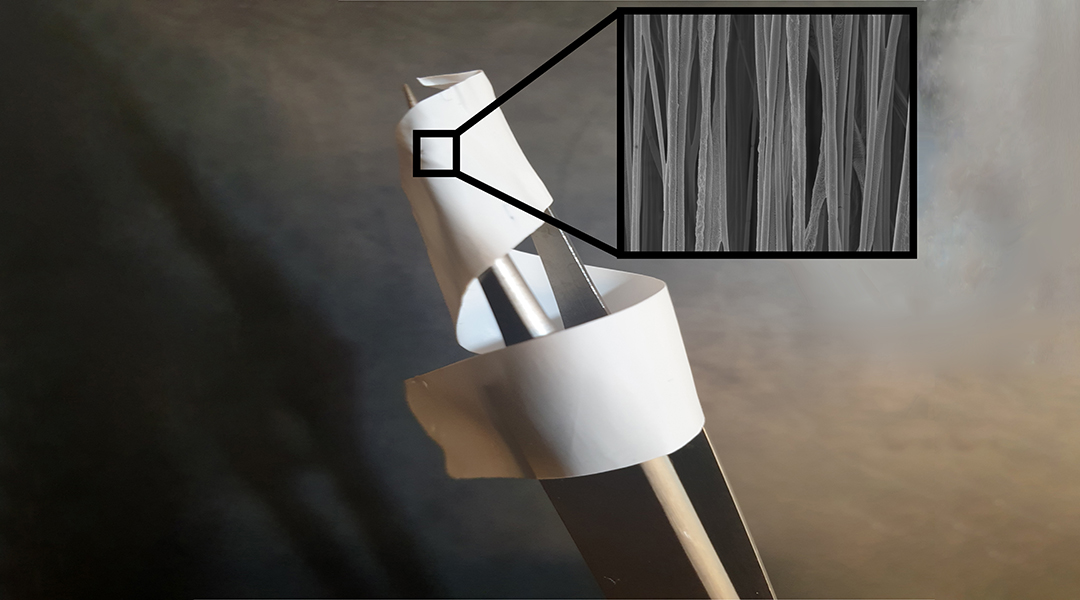
This implantable device acts as mechanical support for damaged tendons and mimics the bioelectrical cues usually provided by collagen during wound healing.
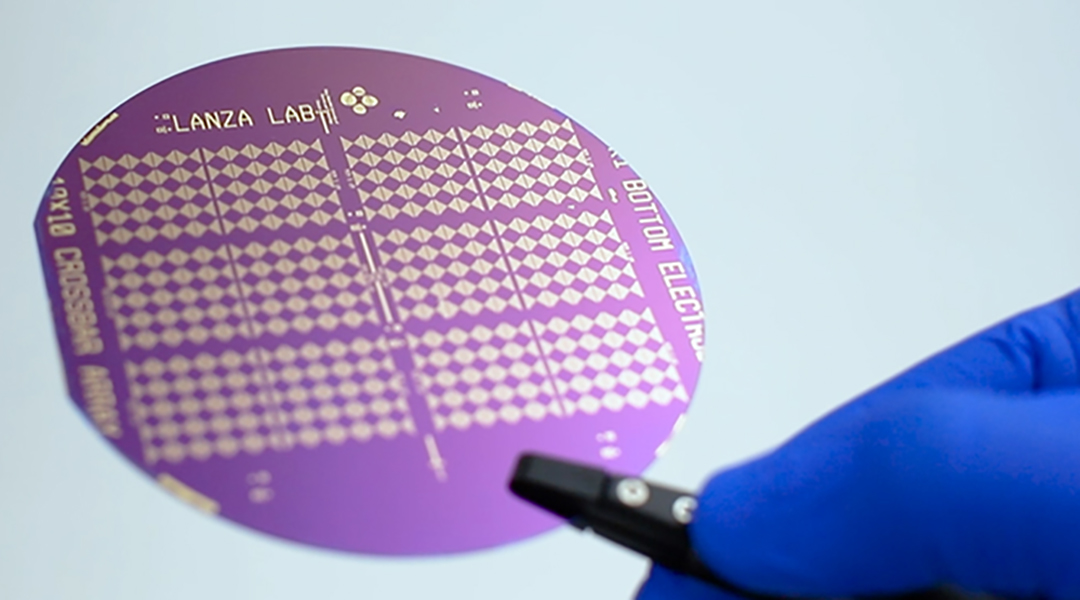
Using atomically-thin 2D films, researchers have developed a nano-scale random number generator with enhanced long-term stability and reduced power consumption.

A pollen-based ink opens doors for advancements in 3D bioprinting.
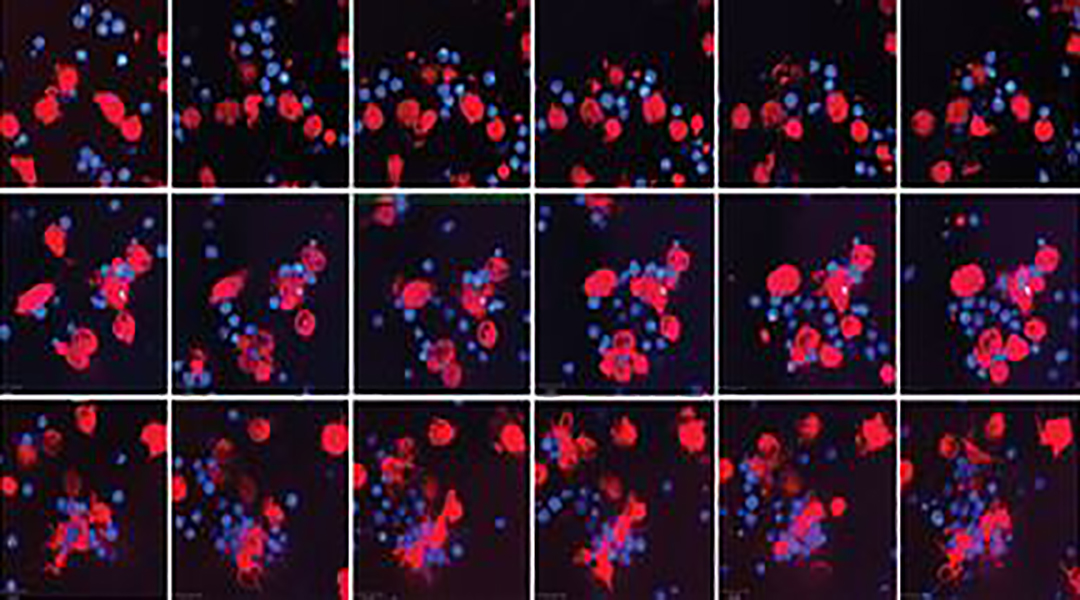
Dendritic cell vaccines offer a unique opportunity in biomedicine, and limitations in efficacy can now potentially be overcome using graphene oxide nanosheets.
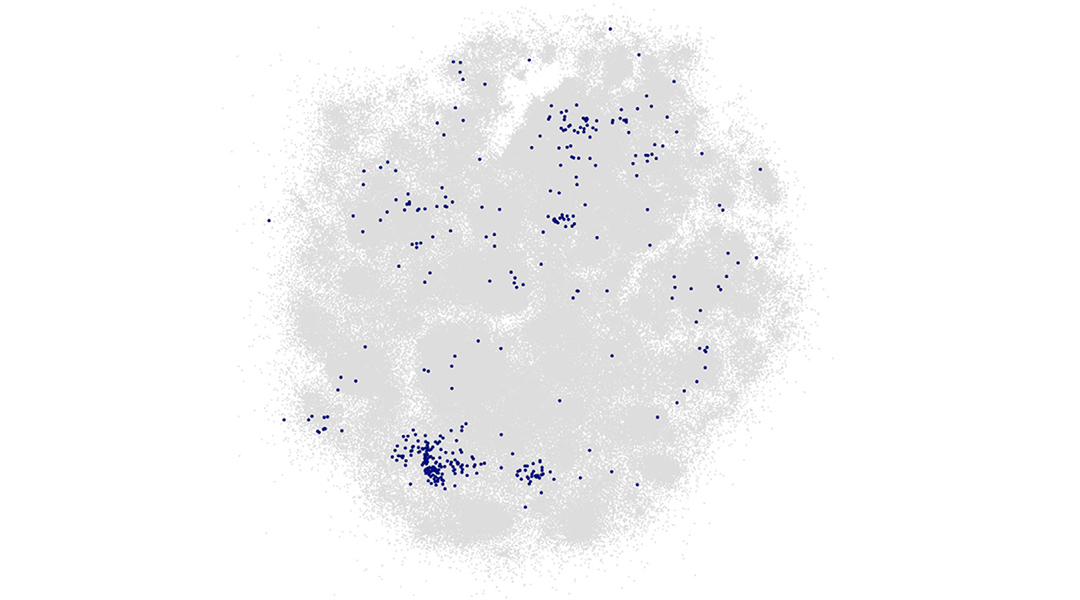
A new machine learning algorithm called “Active Learning” could help identify the best materials for any desired application.
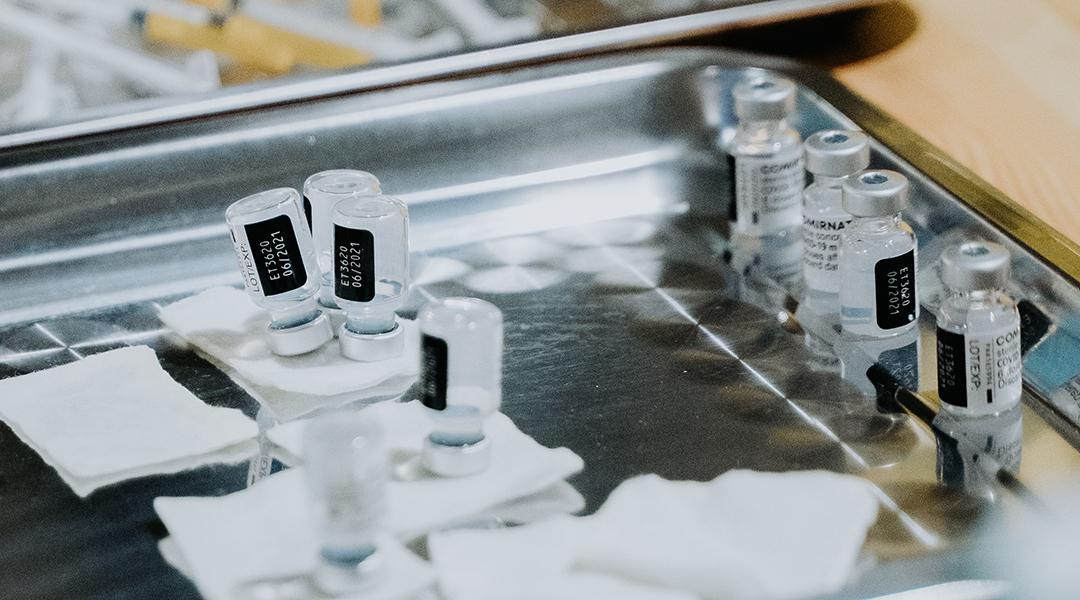
COVID-19 is unlikely to be the last coronavirus to spill over to humans. Scientists are working to make a universal vaccine to combat future outbreaks.
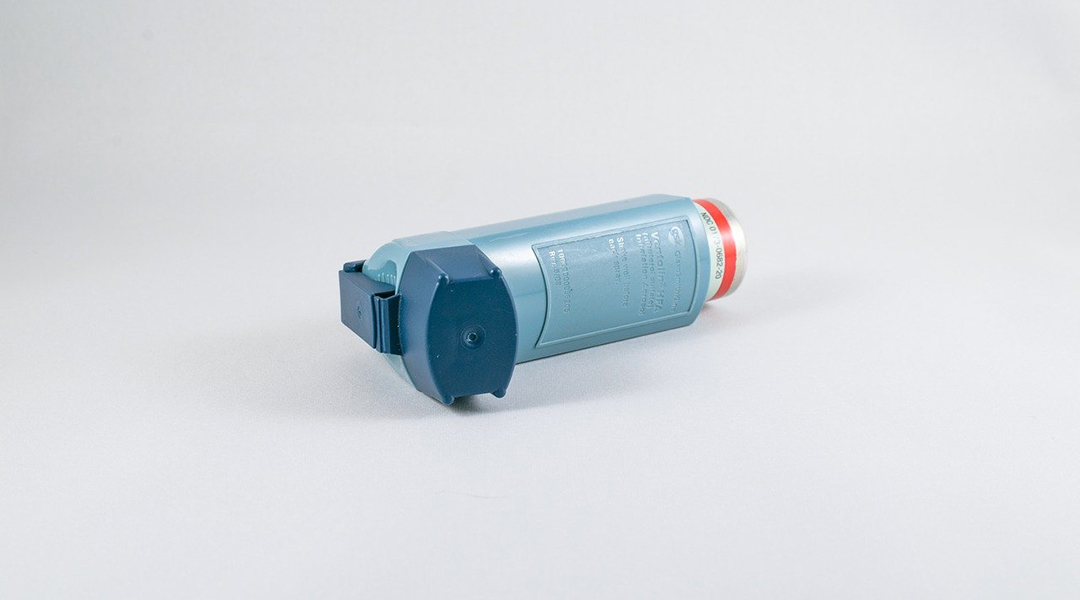
A new technology designed to target allergic asthma could provide more efficient means of delivery and treatment straight to the source of inflammation.

While some would contend that materials discovery will breathe life into a hydrogen economy, it cannot realize its full potential unless production becomes less costly and more efficient.
 New theory suggests gravity is not a fundamental force
 Higgs boson may be driving the Universe’s expansion
 Water-powered gadgets may be on the horizon thanks to new evaporation-based energy device
 Scientists discover a new class of antibiotics
 Micron-sized hidden dimensions could solve two of physics’ deepest puzzles
 A new type of dark matter could explain mysterious radiation from the Milky Way’s core