Taking a look at the past, present, and future of combinatorial chemistry in materials research.


Taking a look at the past, present, and future of combinatorial chemistry in materials research.
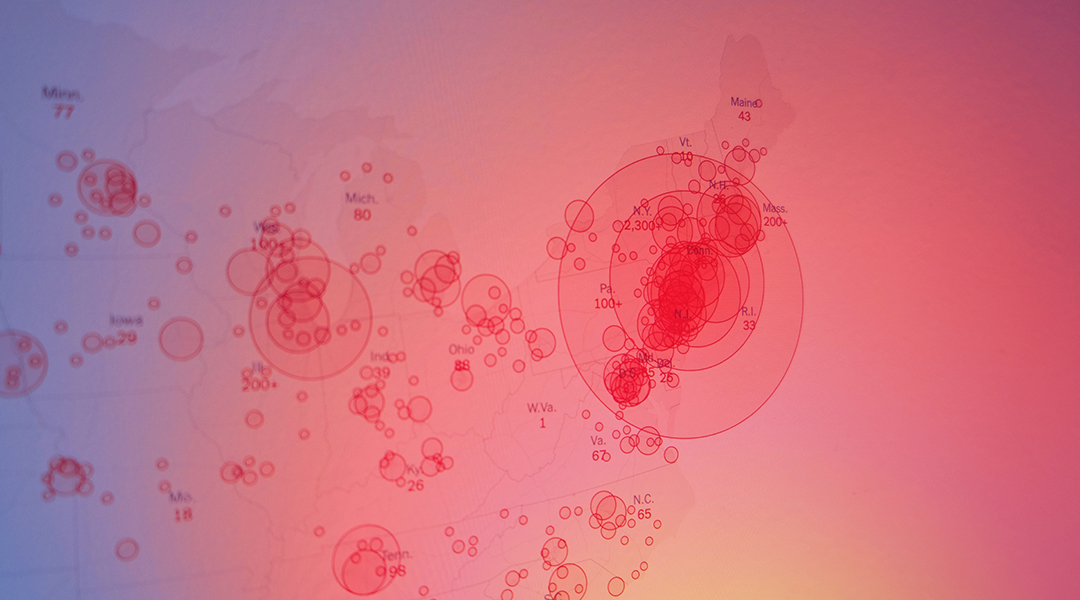
A new study estimates that one in five people worldwide have an underlying health condition that could increase their risk of severe COVID-19 if infected.

Research sheds new light on our hope of finding intelligent life across the galaxy.

COVID-19, like climate change, is a complex social problem that will require social scientific knowledge to understand its full and lasting impact impact.

Scientists at Hong Kong University of Science and Technology make artificial eye far better than anything current.
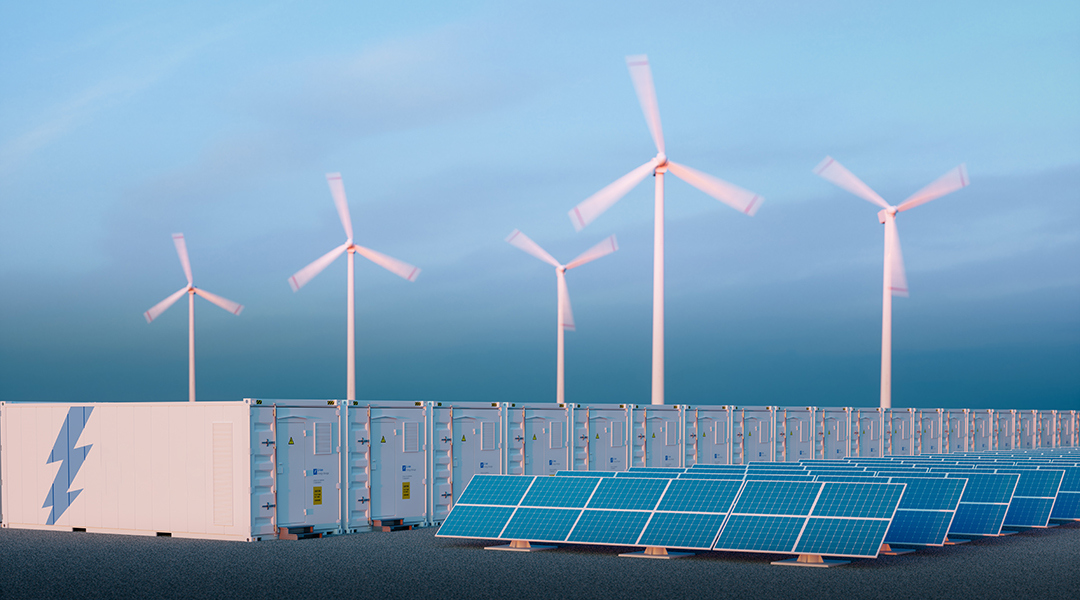
Liquid metal batteries, in which both electrodes as well as the electrolyte are in liquid form, are a promising development in energy storage technologies.

Developing better protective equipment requires new materials that better disperse energy.
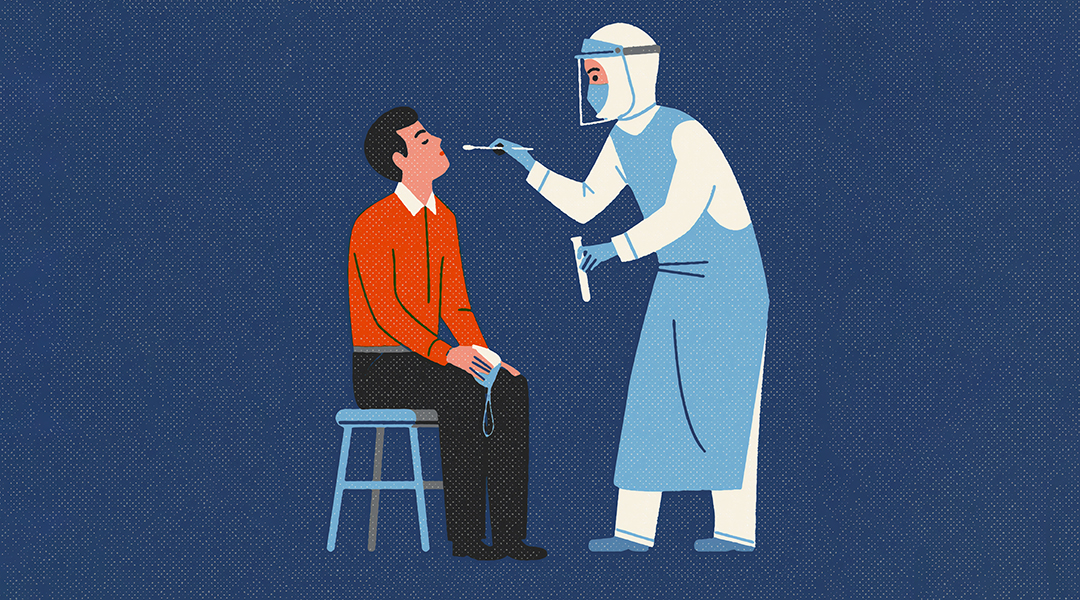
Exploring the unique ethical dilemmas raised by the COVID‐19 outbreak and how they have affected multiple sectors of society, both nationally and globally.
Post Fukushima, Japan’s energy network has expanded dramatically to include thousands of small renewable power companies which create many small solar, wind, biomass, and geothermal plants.
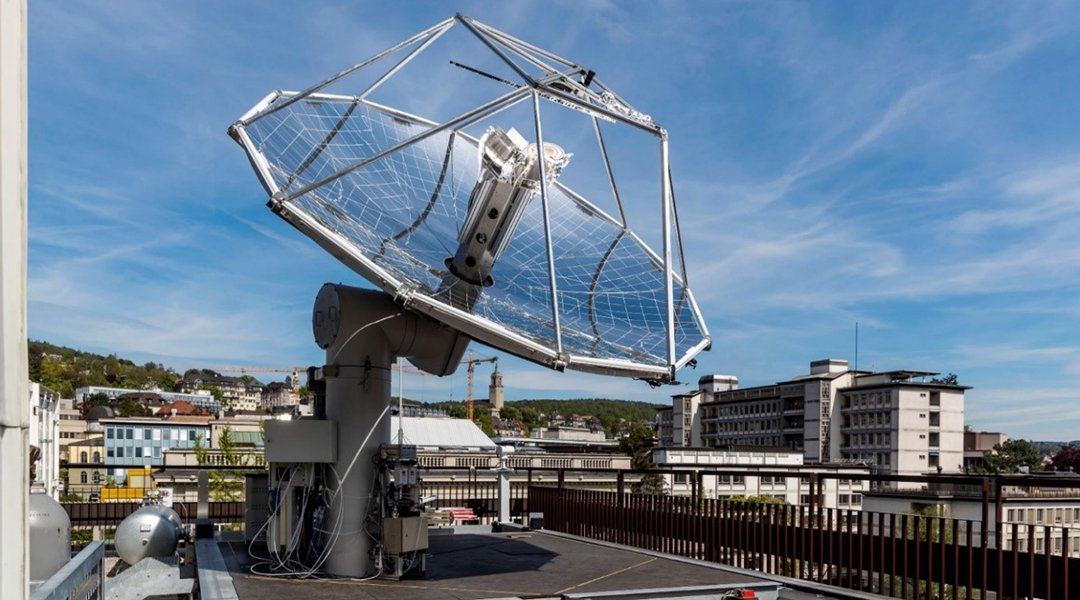
Two Swiss start-up companies have developed a process to generate aviation fuel from thin air in order to accelerate the industrialization of sustainable aviation fuels.
 New theory suggests gravity is not a fundamental force
 Higgs boson may be driving the Universe’s expansion
 Water-powered gadgets may be on the horizon thanks to new evaporation-based energy device
 Scientists discover a new class of antibiotics
 Micron-sized hidden dimensions could solve two of physics’ deepest puzzles
 A new type of dark matter could explain mysterious radiation from the Milky Way’s core