DNA robots built to transverse fluidic cell membranes and control cell function for future regenerative and cell-based therapies.
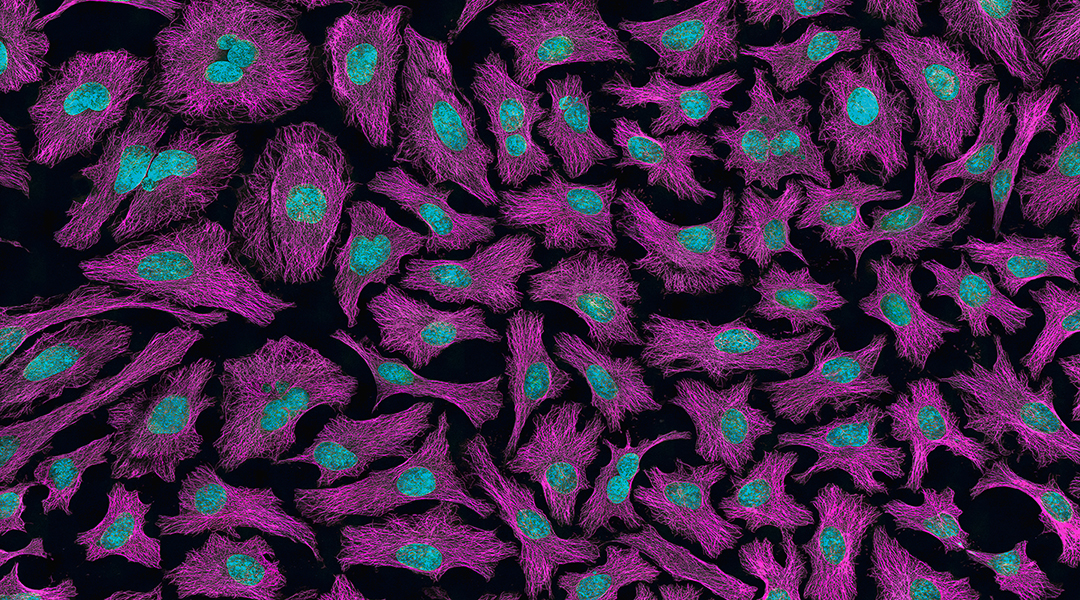

DNA robots built to transverse fluidic cell membranes and control cell function for future regenerative and cell-based therapies.

Researchers are devising a quicker and cheaper way to diagnose tuberculosis — and it’s based on how your skin smells.

A new algorithm helps researchers search out new molecules for applications in medicine, keeping their synthesis quick and cost-effective.
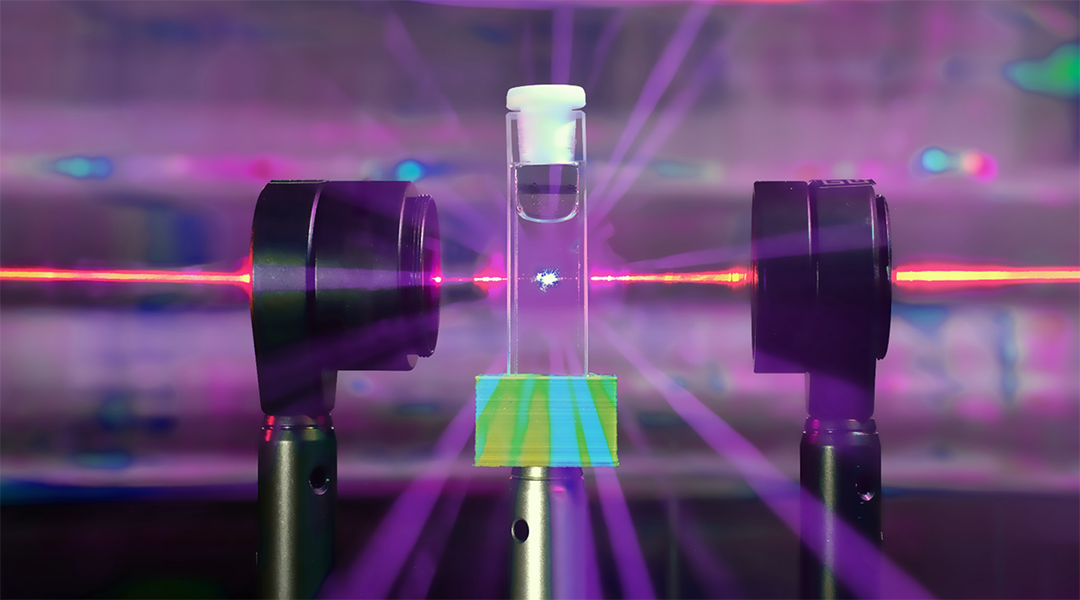
Scientists have found a way to reveal forbidden colors of light through a new physical effect.

Bioengineer Canan Dağdeviren is living her dream, decoding physical patterns of the human body in order to diagnose and cure diseases.

Loneliness has been linked to detrimental and sometimes deadly health effects, and so researchers are seeking a biological answer to help prevent and treat it.

Brownmillerite, found in natural mineral deposits, could help disinfect water in resource-poor regions.
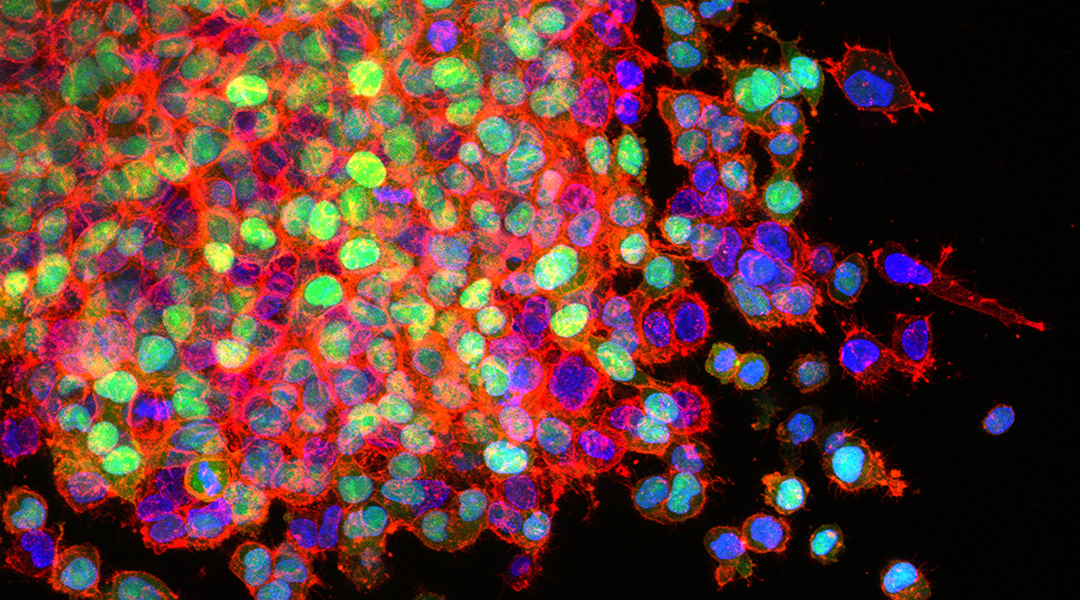
The surgical anesthesia drug, propofol, used in tumor removal, could help promote the spread of cancer by triggering changes in tumor cell properties.

Crowd opinion tends to fall in line with professional fact-checkers, and a new study illustrates how that can be used to fact-check the news.

Although the idea of soft robots in space exploration is still far from becoming a reality, there are obvious advantages that are driving researchers to pursue the possibility.
 New theory suggests gravity is not a fundamental force
 Higgs boson may be driving the Universe’s expansion
 Water-powered gadgets may be on the horizon thanks to new evaporation-based energy device
 Scientists discover a new class of antibiotics
 Micron-sized hidden dimensions could solve two of physics’ deepest puzzles
 A new type of dark matter could explain mysterious radiation from the Milky Way’s core