An analysis of 45 million papers and 3.9 million patents since 1945 shows that the rate of disruptiveness in science is steeply declining.
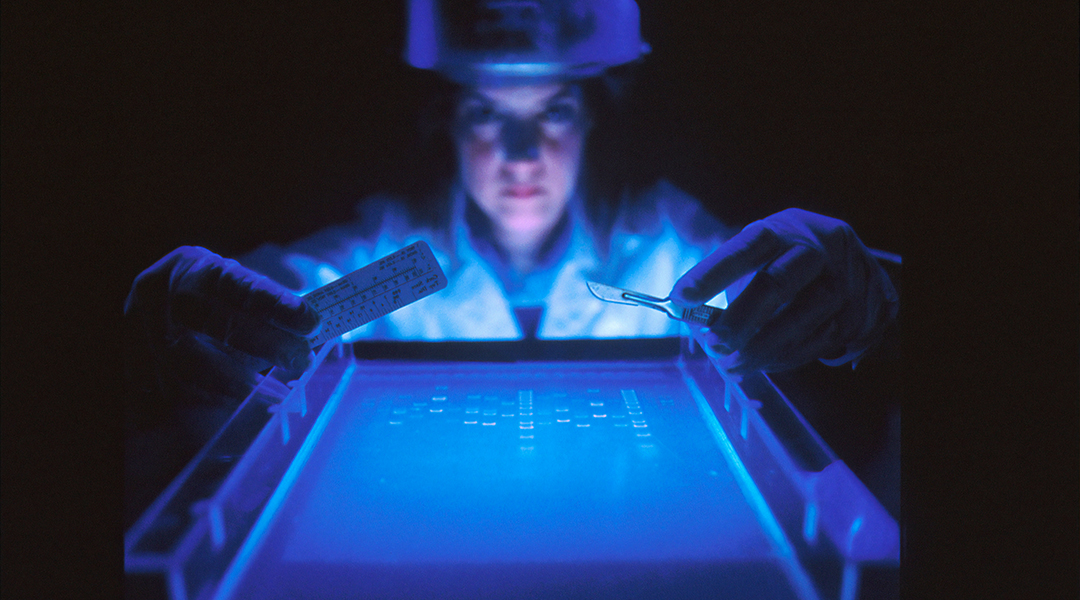

An analysis of 45 million papers and 3.9 million patents since 1945 shows that the rate of disruptiveness in science is steeply declining.
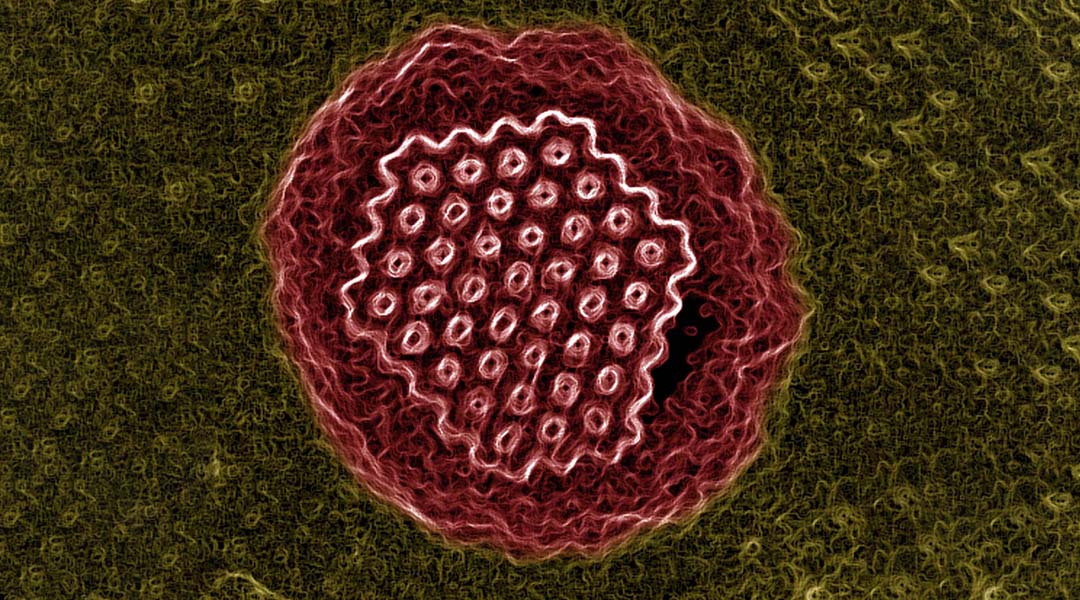
How seven ancient viruses ranging in age from 27,000 to 48,500 years were recovered from the Siberian permafrost, and what researchers hope to learn from them.
Is it time to start looking for alternatives to WIMPs?
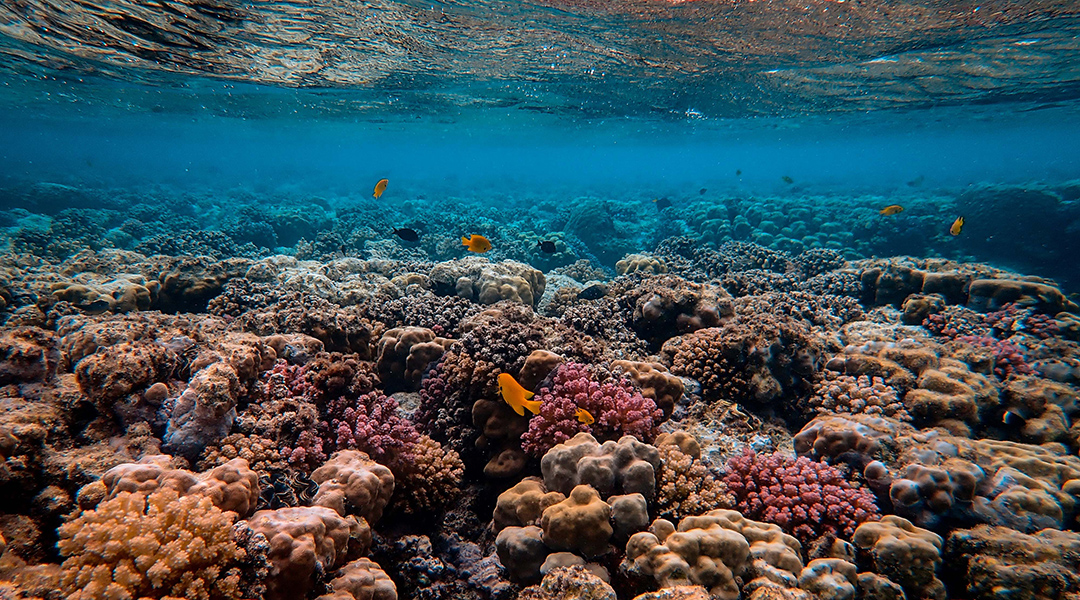
New experiments on coral reefs show that transplanting genetically diverse coral is key to restoration success.
A modification to the theory of general relativity makes it consistent with observable astronomical data without the need for dark energy.
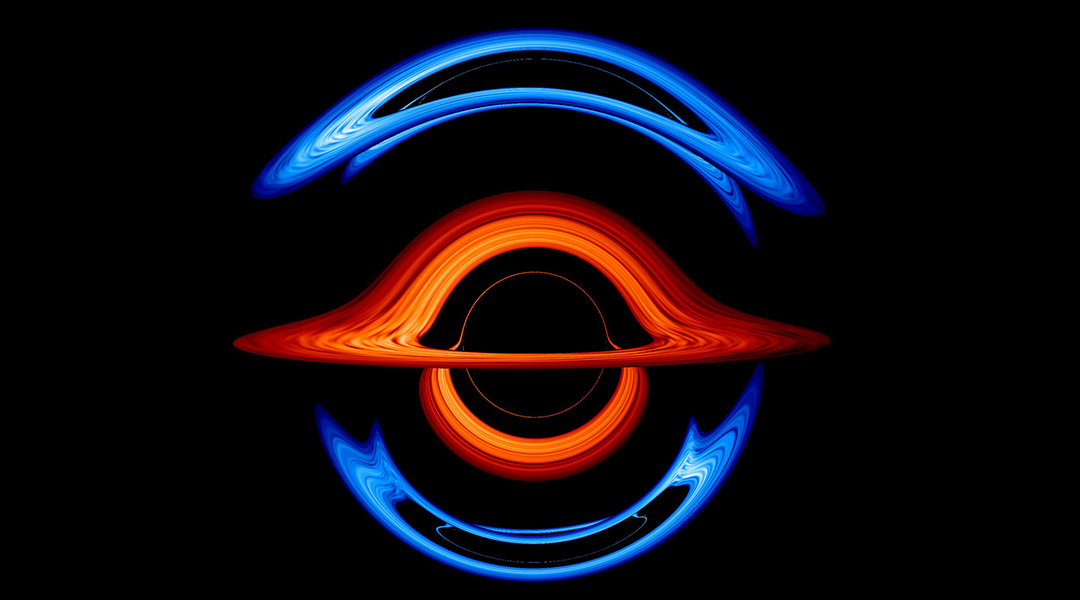
Merging pairs of black holes are thought to have originated from binary stars, but new observations indicate this might not always be true.
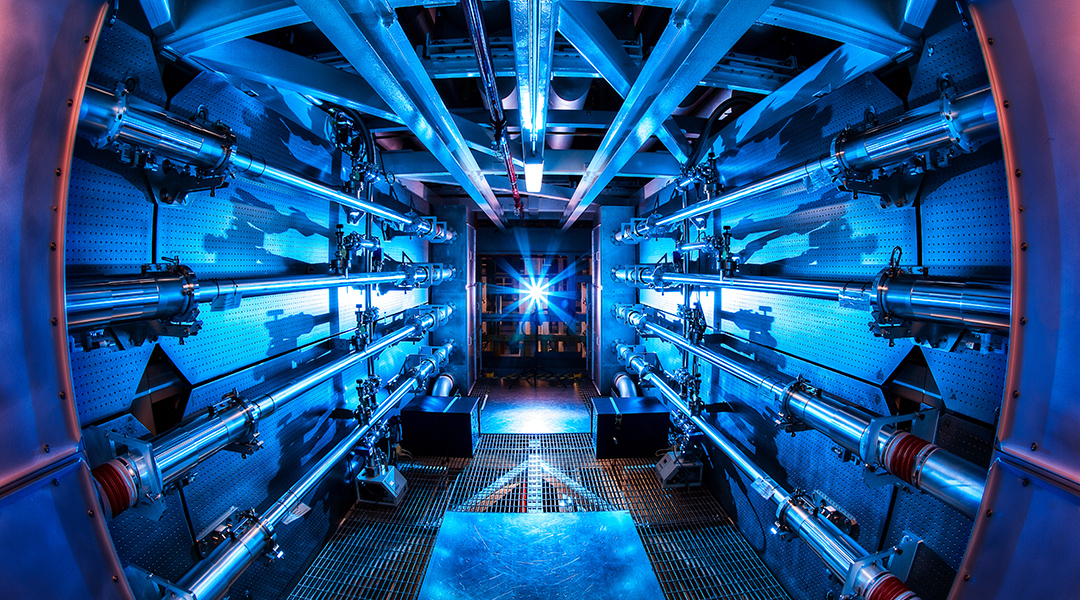
After decades of experimentation, US scientists achieve ignition in a controlled fusion experiment for the first time.
A uniquely sensitive, stretchable pressure sensor for prosthetics, soft robotics, and human-machine interfaces.
Scientists use quantum entanglement to compare two atomic clocks achieving what might be the ultimate precision possible.
Conflict between theory and observational evidence suggests a missing ingredient in our understanding of the early Universe.
 New theory suggests gravity is not a fundamental force
 Higgs boson may be driving the Universe’s expansion
 Water-powered gadgets may be on the horizon thanks to new evaporation-based energy device
 Scientists discover a new class of antibiotics
 Micron-sized hidden dimensions could solve two of physics’ deepest puzzles
 A new type of dark matter could explain mysterious radiation from the Milky Way’s core