Using 19 different quantum computers, scientists demonstrate how entangled particles break limitations in accuracy on the sub-atomic scale.

Using 19 different quantum computers, scientists demonstrate how entangled particles break limitations in accuracy on the sub-atomic scale.

What would it mean for two particles to become gravitationally entangled?
Scientists use quantum entanglement to compare two atomic clocks achieving what might be the ultimate precision possible.
Quantum gravity seeks to describe gravity according to the principles of quantum mechanics, but can it be done?
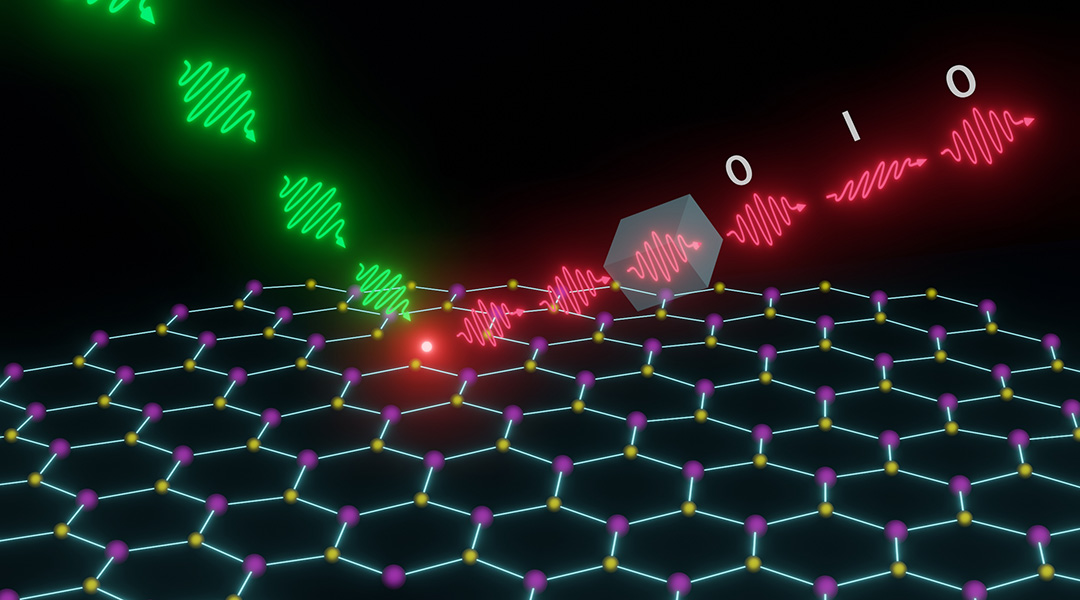
Exploiting defects in 2D hexagonal boron nitride to create reliable single photons, researchers have upped their quantum encryption game.

Researchers at the Southern University of Science and Technology in China ask if gravitons can be promising candidates for dark matter components.
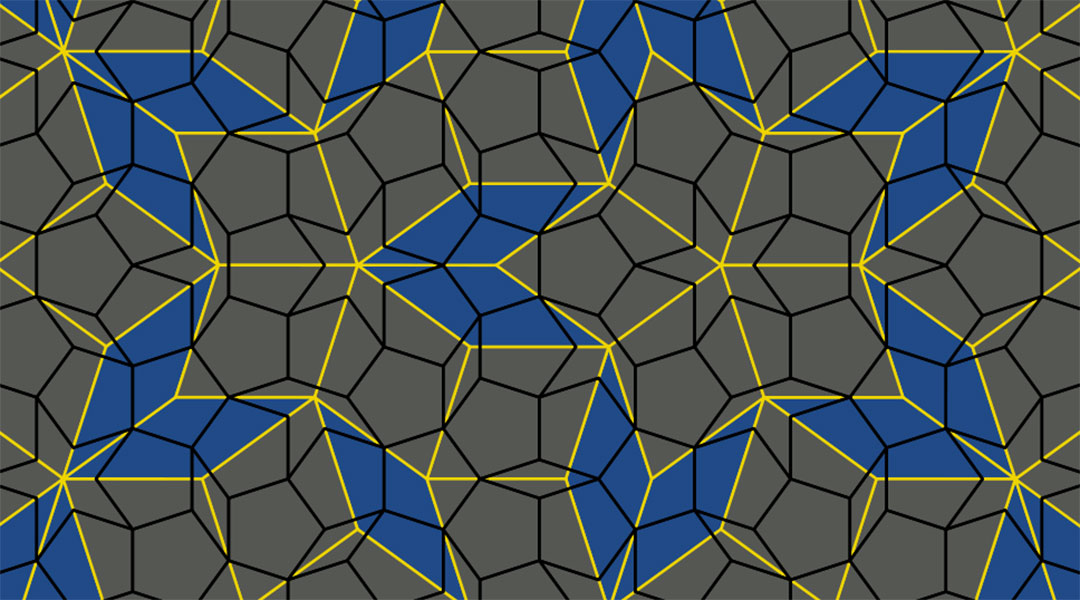
Extra time dimensions provide scientists with a new way to think about phases of matter for more stable qubits and robust quantum computers.
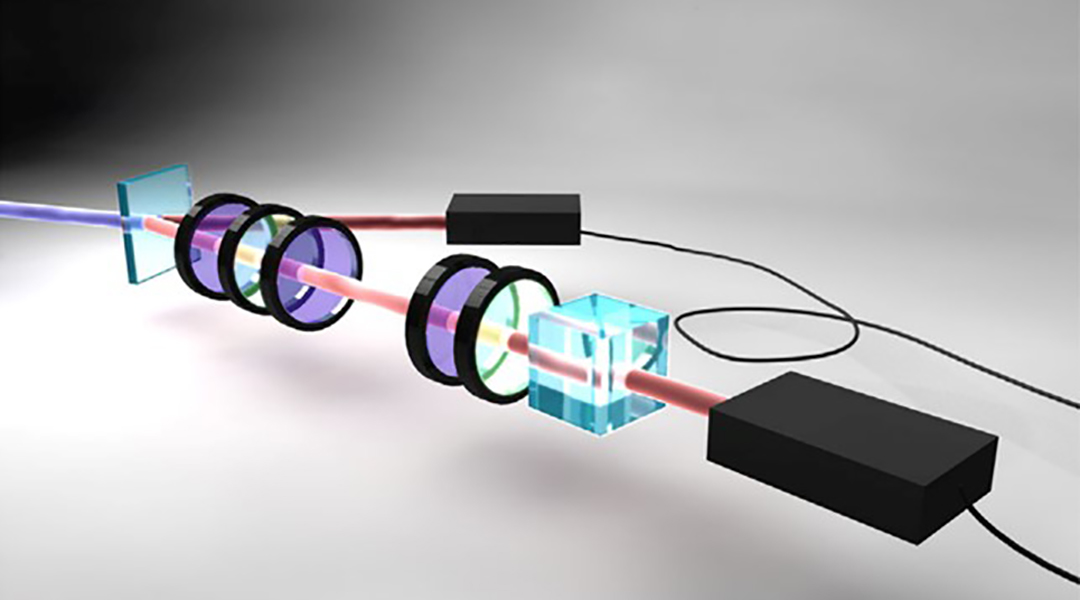
Quantum computing to process large amounts of data tested by bringing together complementary and versatile quantum processors.
A set of quantum computers was put to the test by playing the notorious triangle game.
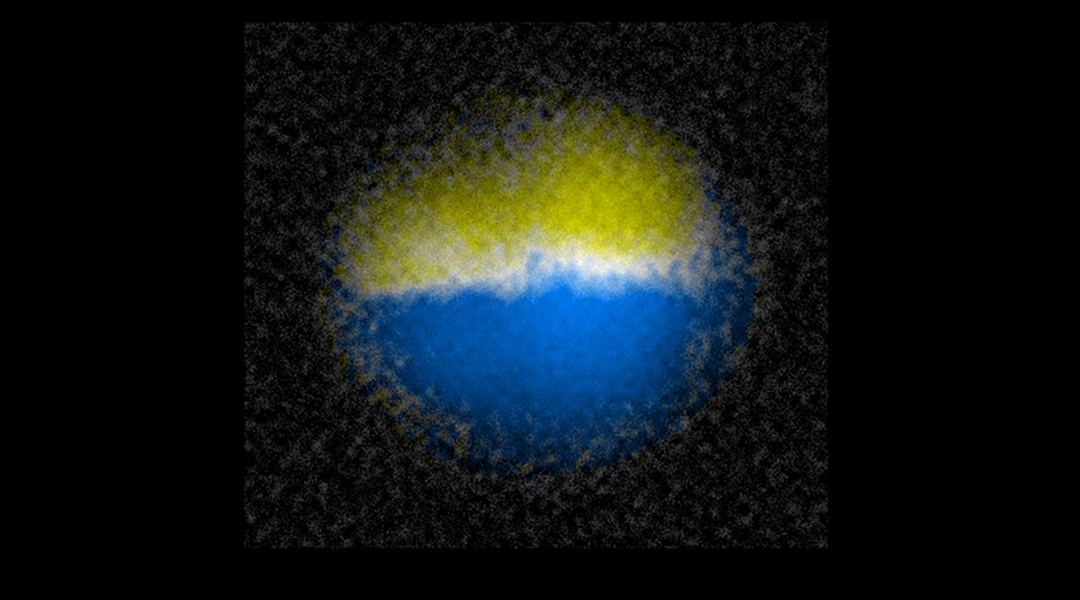
Researchers have discovered how to create and manipulate a quantum object called a “domain wall”, which exhibits particle-like properties.

 New theory suggests gravity is not a fundamental force
 Water-powered gadgets may be on the horizon thanks to new evaporation-based energy device
 Micron-sized hidden dimensions could solve two of physics’ deepest puzzles
 Turning Periods into Power: Menstrual Blood a Valuable Resource for Medical Diagnostics
 Kirigami-inspired neural probes are a cut above
 Immune resilience gene signature could hold the key to healthy aging