Researchers demonstrate learning behaviour in a solid-state device that is entirely controlled by electrical stimuli.

Researchers demonstrate learning behaviour in a solid-state device that is entirely controlled by electrical stimuli.
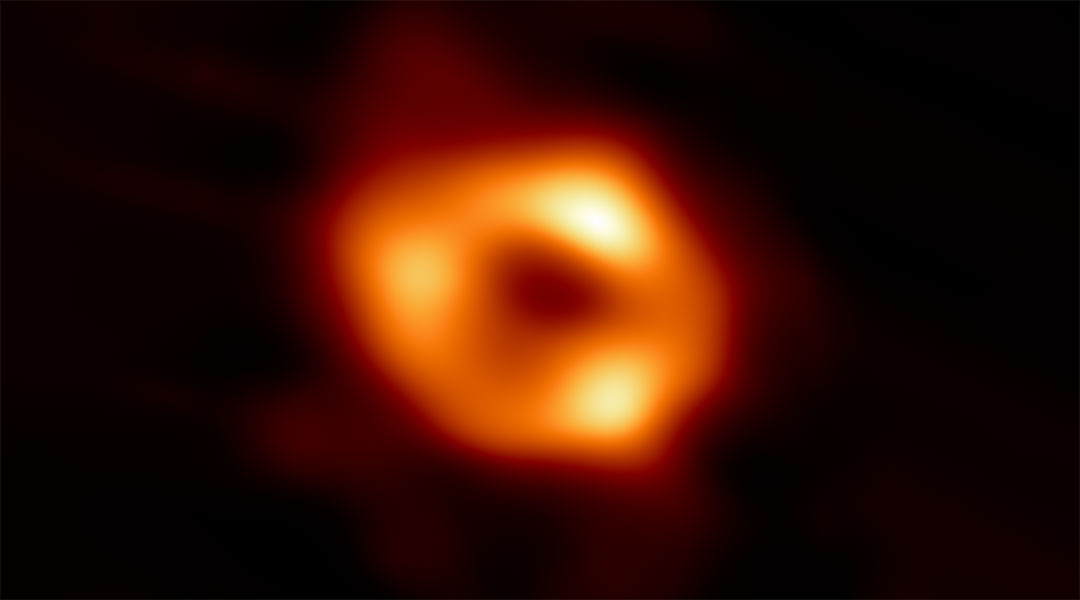
Imaging a black hole is not an easy thing, it takes years of experiments, collaborations, grants, planning, and no small amount of luck.
A new experimental technique could push the capabilities of particle accelerators in exploring the subatomic world.
To address unknown quantum gravitational effects in the early universe, physicists have recruited string theory to help solve the problem.
More than 100 years on after Einstein’s 1921 Nobel Prize, some confusion remains around the committee’s reasons for omitting relativity.
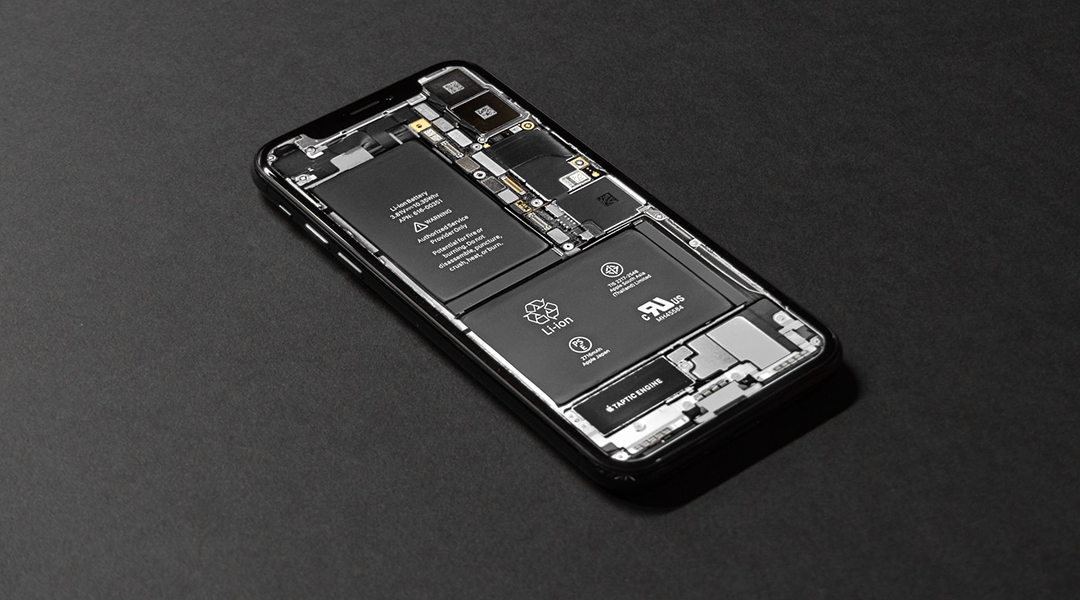
Automated molecule design through machine learning helps scientists identify and synthesize a new polymer electrolyte for lithium-ion batteries.

Glimpse into the notebooks of physicist John Wheeler, which capture his eclectic, crazy, and yet never one-dimensional ideas.
An AI made from plasma learns to play tic-tac-toe using varying and controllable mixtures of gases, in a major step forward.
Researchers put quantum electrodynamics to the test, pushing the boundaries of the Standard Model of physics.
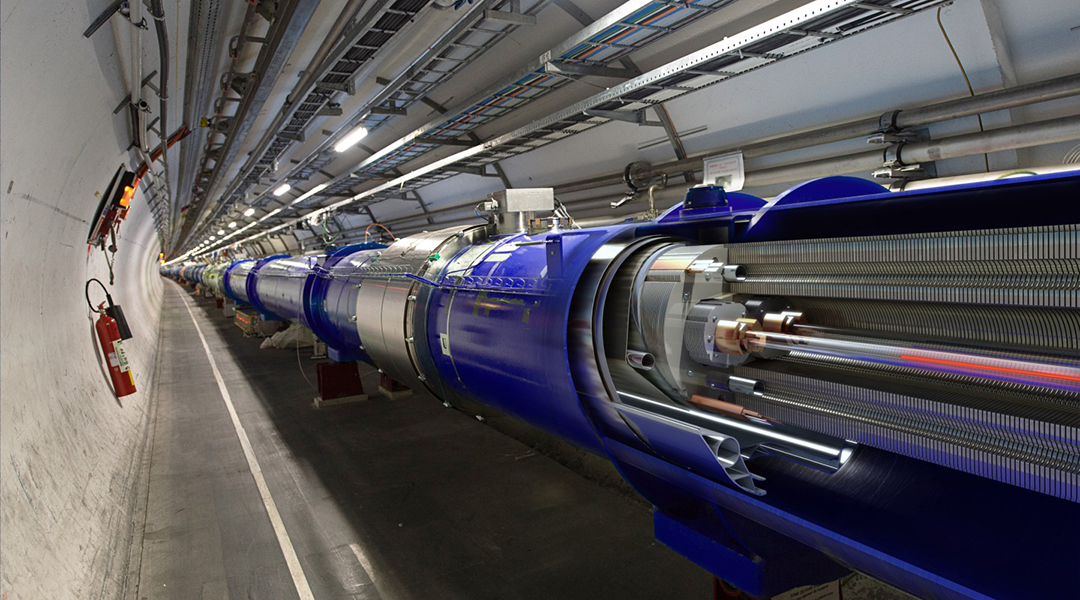
The first direct observation of the dead-cone effect, which arises during the high energy collisions of strongly interacting particles.

 Micron-sized hidden dimensions could solve two of physics’ deepest puzzles
 Turning Periods into Power: Menstrual Blood a Valuable Resource for Medical Diagnostics
 Kirigami-inspired neural probes are a cut above
 Immune resilience gene signature could hold the key to healthy aging
 Surfactants Steer Supraparticle Structure
 Bone loss in obesity traced to gut microbiota