Splitting water with light via photocatalysis to create hydrogen could help reach net zero emission goals if the process can be scaled up.


Splitting water with light via photocatalysis to create hydrogen could help reach net zero emission goals if the process can be scaled up.
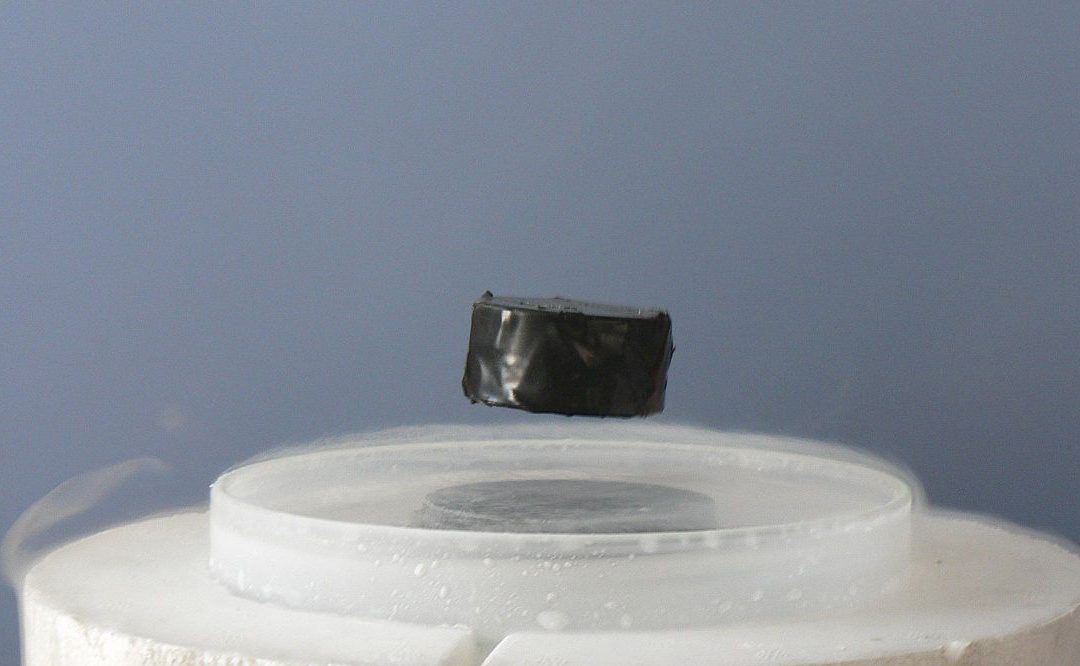
Understanding room temperature superconductivity one step closer thanks to researchers looking at the effects of pressure.
Sending atomic and nuclear clocks into the inner reaches of our solar system could help scientists find proof of elusive dark matter.
Experiments performed using CERN’s the Large Hadron Collider provide insights into the particles that make up protons and their interactions.
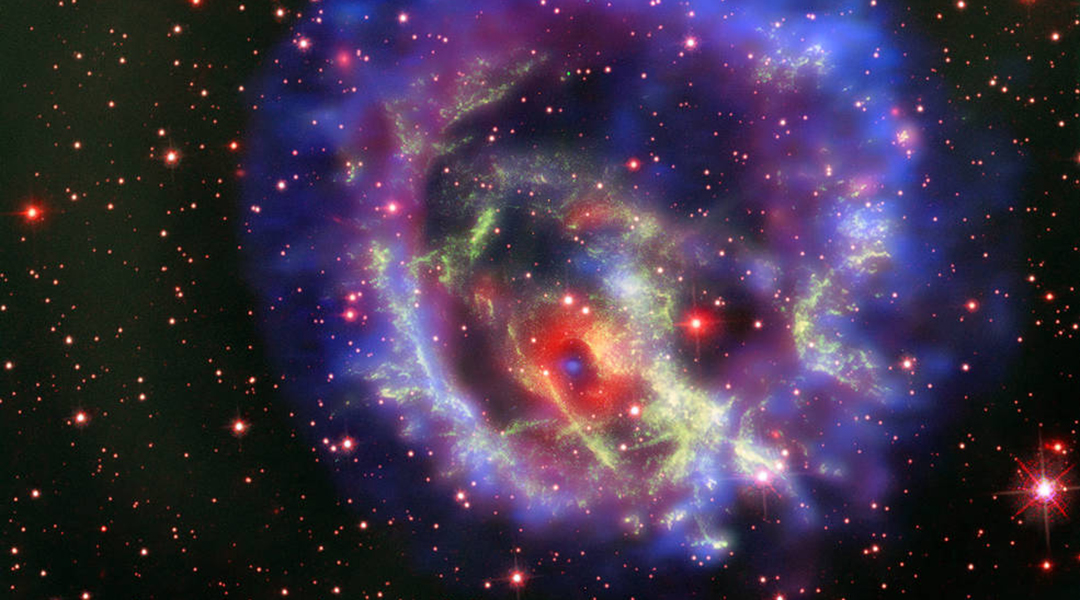
Comparing algorithms used to model spinning neutron stars, scientists hope to better understand the physics of the elementary particles that make them up.

Is it time to start looking for alternatives to WIMPs?
Conflict between theory and observational evidence suggests a missing ingredient in our understanding of the early Universe.

Using the motion of sound waves through a superfluid liquid, scientists can model the Universe’s evolution on a reasonable time scale.

Scientists put chiral perturbation theory to the test with a set of new experiments that have helped define fundamental properties of protons.
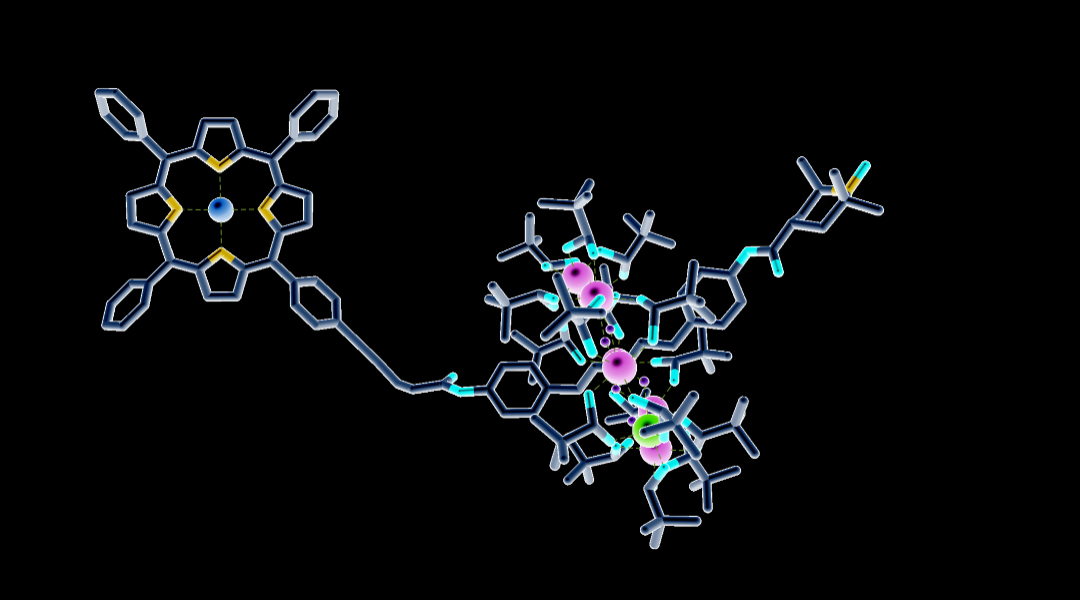
A molecular complex was built to contain three distinct qubits, offering an intriguing architecture for future quantum computers.

 Micron-sized hidden dimensions could solve two of physics’ deepest puzzles
 Turning Periods into Power: Menstrual Blood a Valuable Resource for Medical Diagnostics
 Kirigami-inspired neural probes are a cut above
 Immune resilience gene signature could hold the key to healthy aging
 Surfactants Steer Supraparticle Structure
 Bone loss in obesity traced to gut microbiota