Professor Geoffrey Ozin discusses the safe and responsible development, production, use, transportation, and disposal of nanoparticles in existing or emerging nanotechnologies.
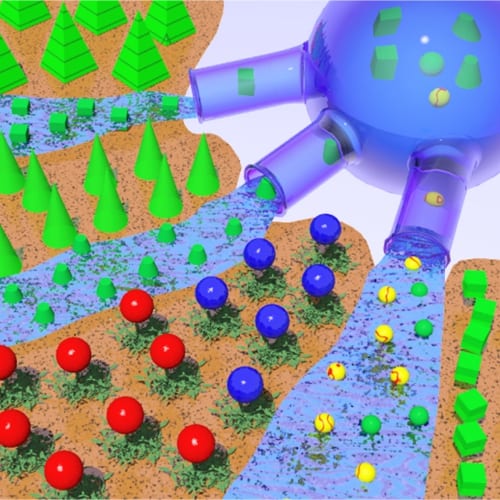

Professor Geoffrey Ozin discusses the safe and responsible development, production, use, transportation, and disposal of nanoparticles in existing or emerging nanotechnologies.
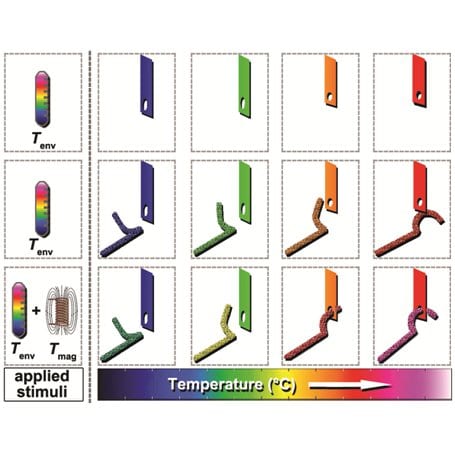
The development of materials with magnetically adjustable properties has been presented by a German research team from the Helmholtz-Zentrum Geesthacht (HZG) Centre for Biomaterial Development in Teltow.

Researchers demonstrate electrochemical actuation using graphene-based paper.
MIT professor Mildred Dresselhaus takes a look at the latest work in fullerene chemistry.
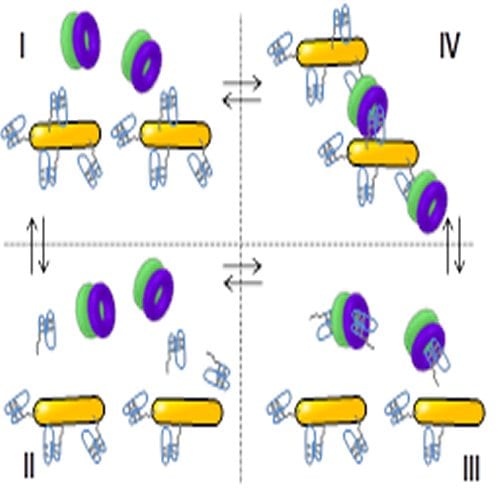
The possibility to obtain work from nanomachines is a step closer to reality as scientists provide a quantitative framework describing interfacial interactions in a nanobiomolecular system.
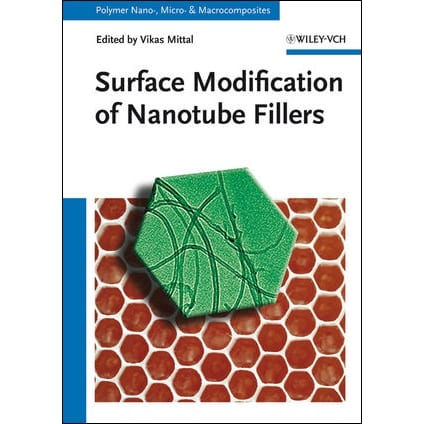
Professor Dmitri Golberg reviews the first volume of the new Polymer Nano, Micro- & Macrocomposites series, edited by Dr. Vikas Mittal.

Small changes can have a big effect; a very small change in molecular structure can have a profound controlling effect on the size of gold nanoparticle superstructures.
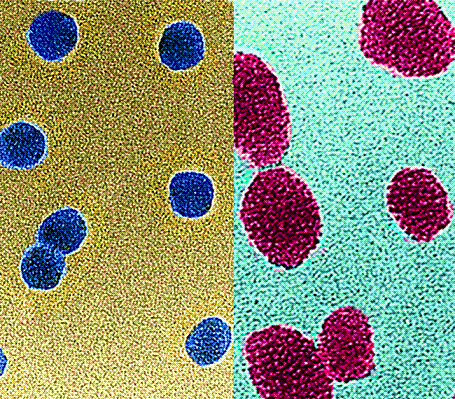
Ultrabright Fluorescent Mesoporous Silica Nanoparticles
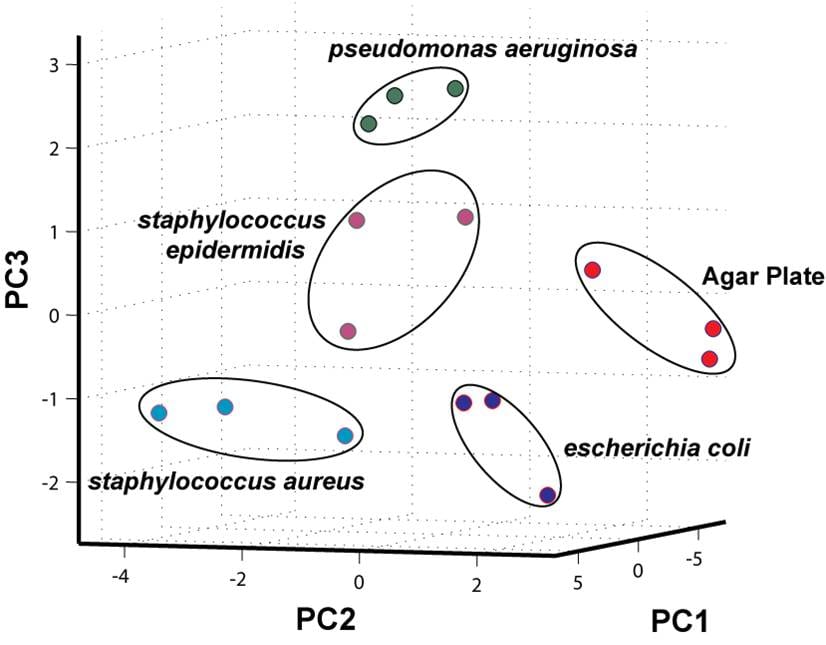
So what is next for nanochemical and biochemical sensor research? Shouldn’t we be trying to find the next glass pH electrode, rather than trying to squeeze that extra fraction of a percent out of our tried and tested materials?
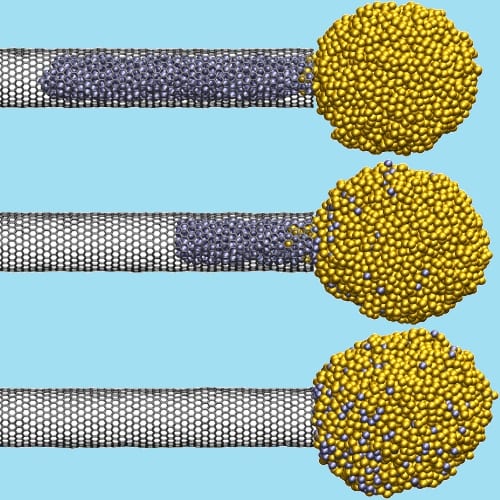
Encapsulated metal nanoparticles can be extracted from carbon nanotubes through reverse capillary action.

 Micron-sized hidden dimensions could solve two of physics’ deepest puzzles
 Turning Periods into Power: Menstrual Blood a Valuable Resource for Medical Diagnostics
 Surfactants Steer Supraparticle Structure
 Bone loss in obesity traced to gut microbiota
 Edible electronics realize safe, complex monitoring devices
 Fermilab Confirms Muon g-2 Measurements