A new in vivo strategy for displaying foreign polypeptides on magnetosomes is presented.
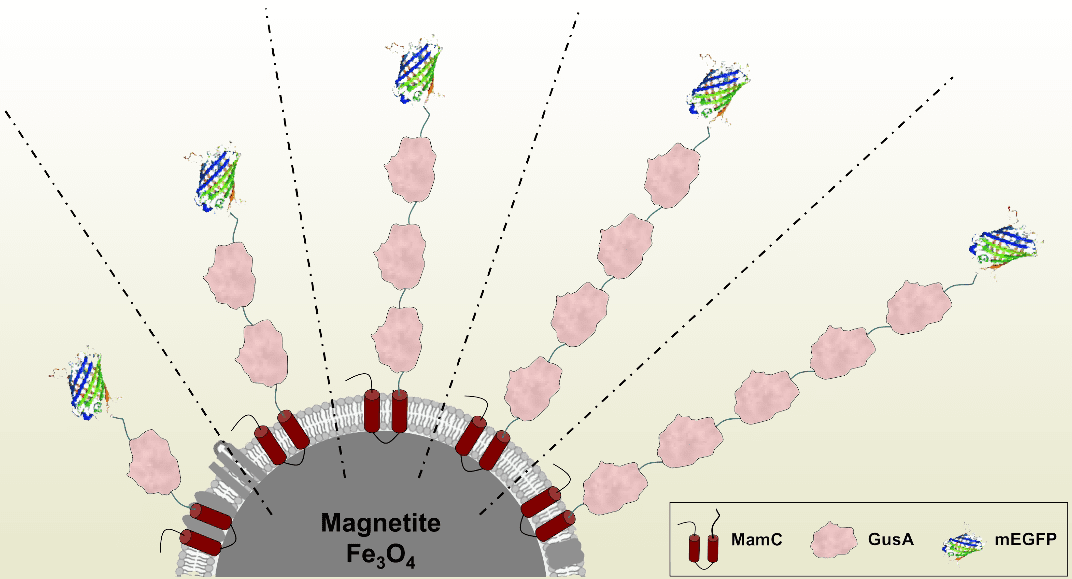

A new in vivo strategy for displaying foreign polypeptides on magnetosomes is presented.
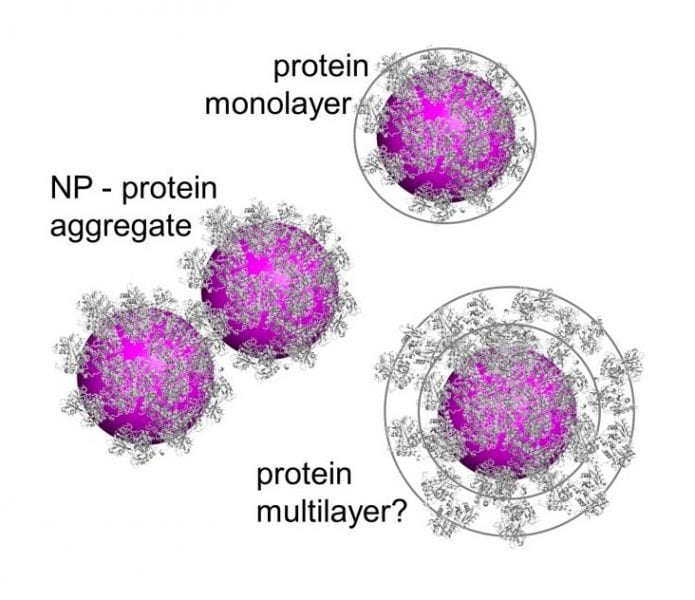
A biomolecular adsorption layer (corona) forms on essentially all nanoparticles immersed in biological fluids, and governs their interactions with the biological environment. Key aspects of protein corona formation and its structure and dynamics have yet remained elusive and call for further investigations.
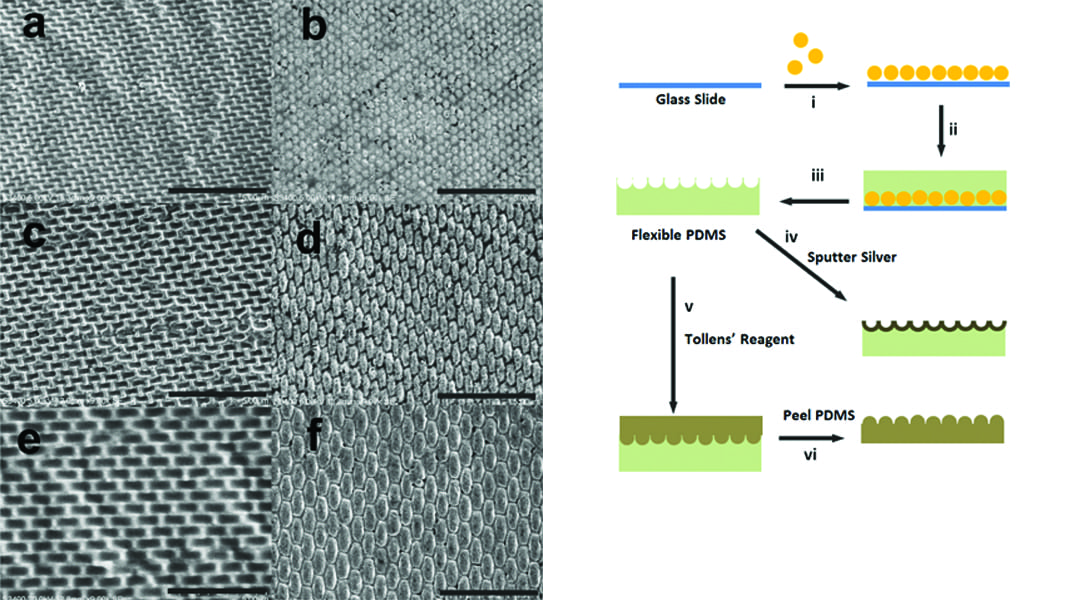
A unique and versatile approach to creating ordered silver nanostructures is presented that allows for feature shape alteration in a simple and inexpensive manner.
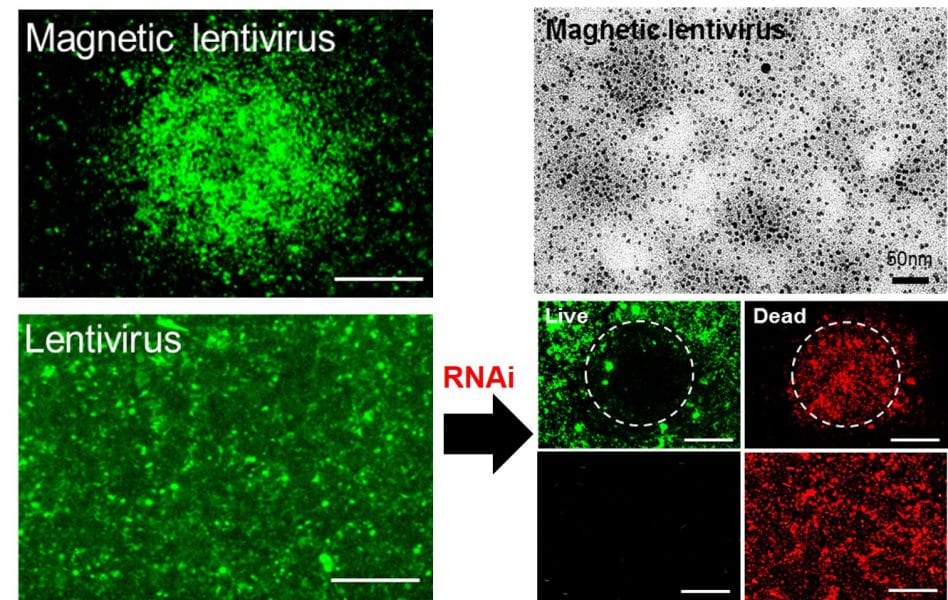
A team of researchers from National Sun Yat-sen University report on microscale RNA interference using iron oxide nanoparticle-modified lentivirus.
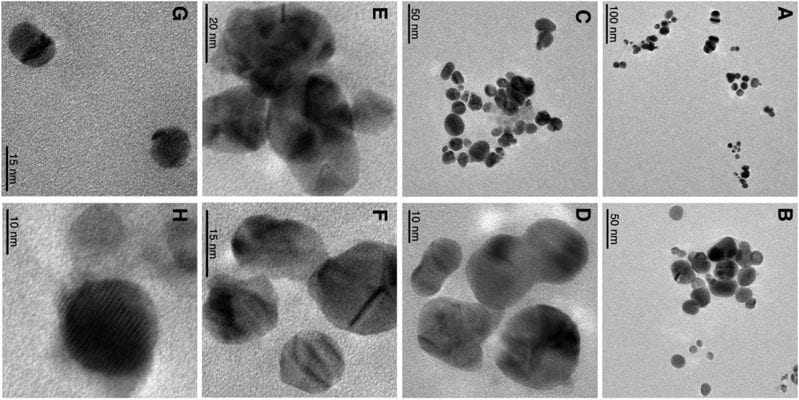
Researchers created a one-step flow-through plasma-reaction system for a cheaper and more sustainable synthesis of silver nanoparticles aimed at large scale production.
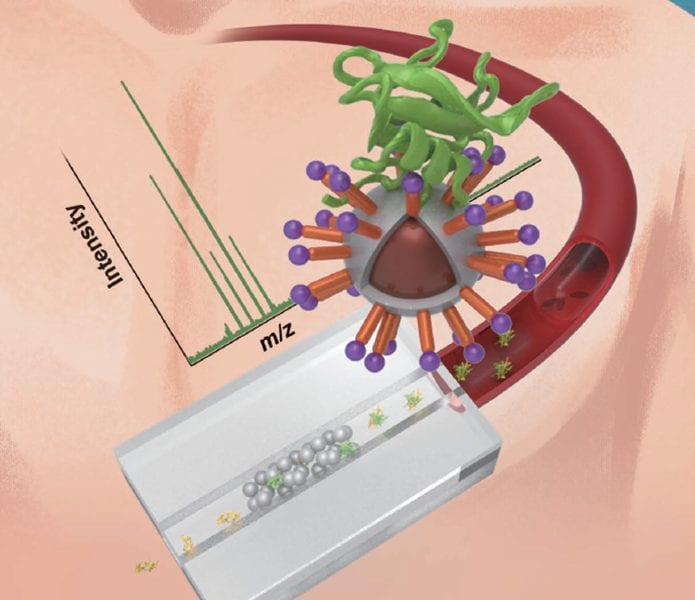
Indium oxide-functionalized magnetic nanoparticles were synthesized and used as solid phase extraction adsorbent on a chip, held with the help of an external magnetic field.
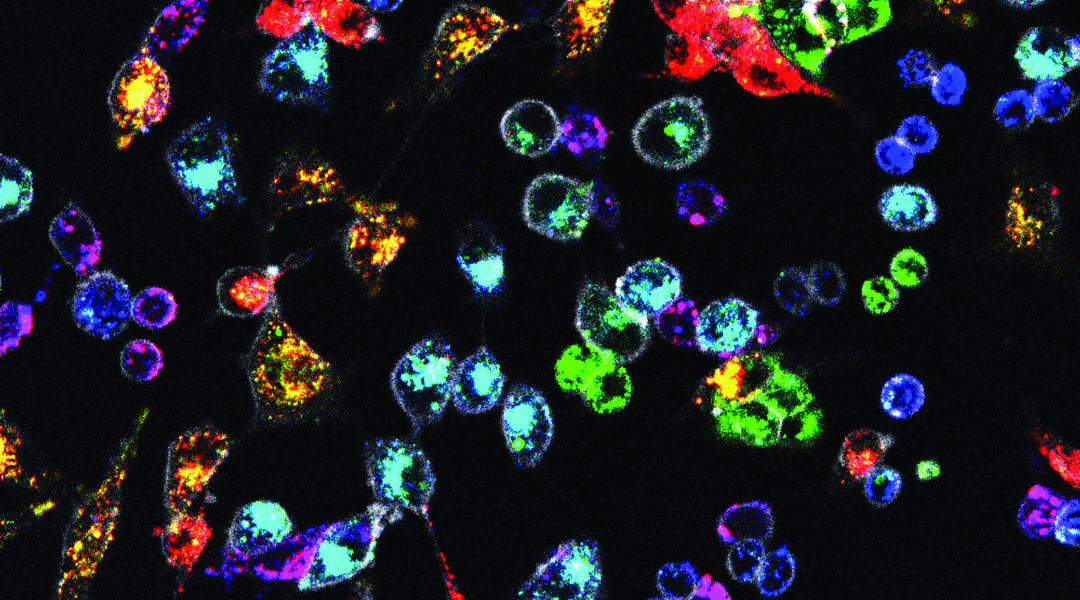
A method that allows the long-term labeling of different cell populations in tens of different colors using fluorescent nanoparticles.
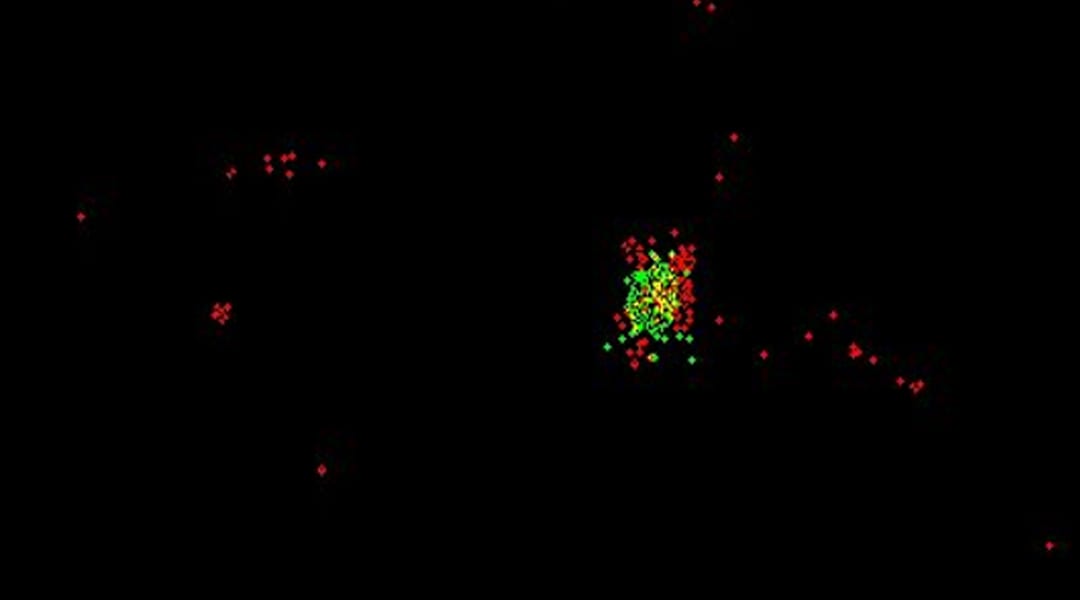
STORMing towards a better understanding of protein corona formation on nanoparticles (NPs), to enable better design of NPs for biomedical applications.
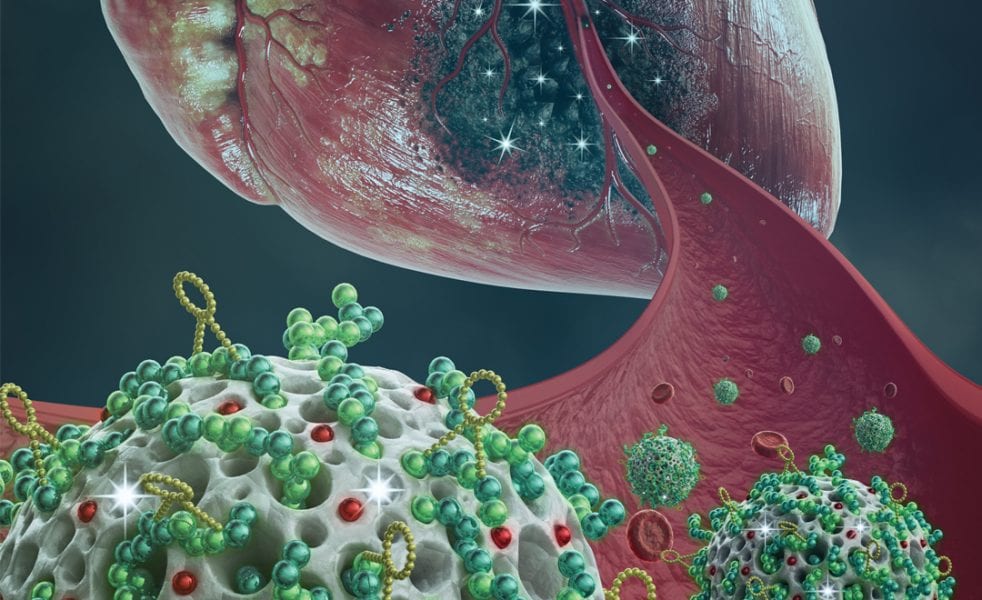
Porous silicon nanoparticles as multifunctional drug carriers for intravenous administration.
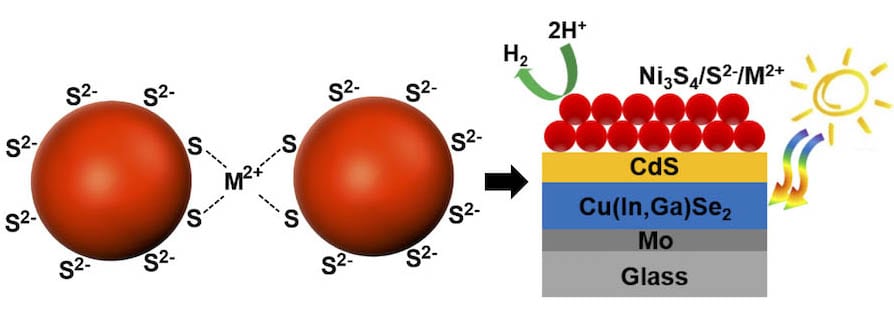
Researchers from Kyoto University and the University of Tokyo have used layer-by-layer assembly to create stabilized films of nanoparticles for electrocatalytic hydrogen evolution.

 Micron-sized hidden dimensions could solve two of physics’ deepest puzzles
 Turning Periods into Power: Menstrual Blood a Valuable Resource for Medical Diagnostics
 Surfactants Steer Supraparticle Structure
 Bone loss in obesity traced to gut microbiota
 Edible electronics realize safe, complex monitoring devices
 Fermilab Confirms Muon g-2 Measurements