Fitting hydrogels with aptamer-based ligands can open doors for a range of new biomedical applications.


Fitting hydrogels with aptamer-based ligands can open doors for a range of new biomedical applications.
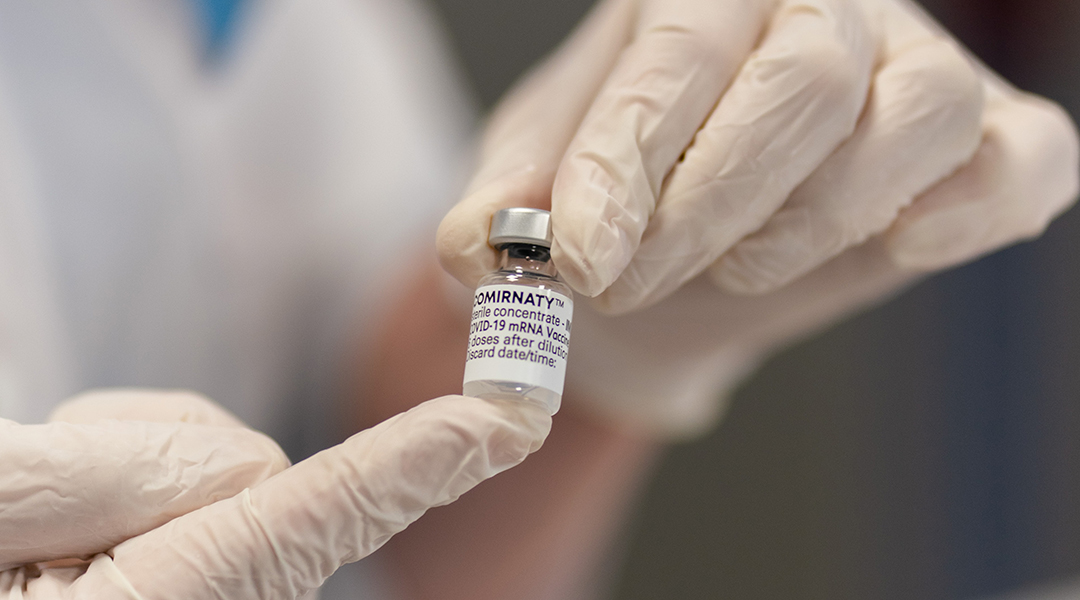
Citing concern over vaccine efficacy against emerging variants, Pfizer seeks approval for a third booster, but many are not yet convinced it is necessary.
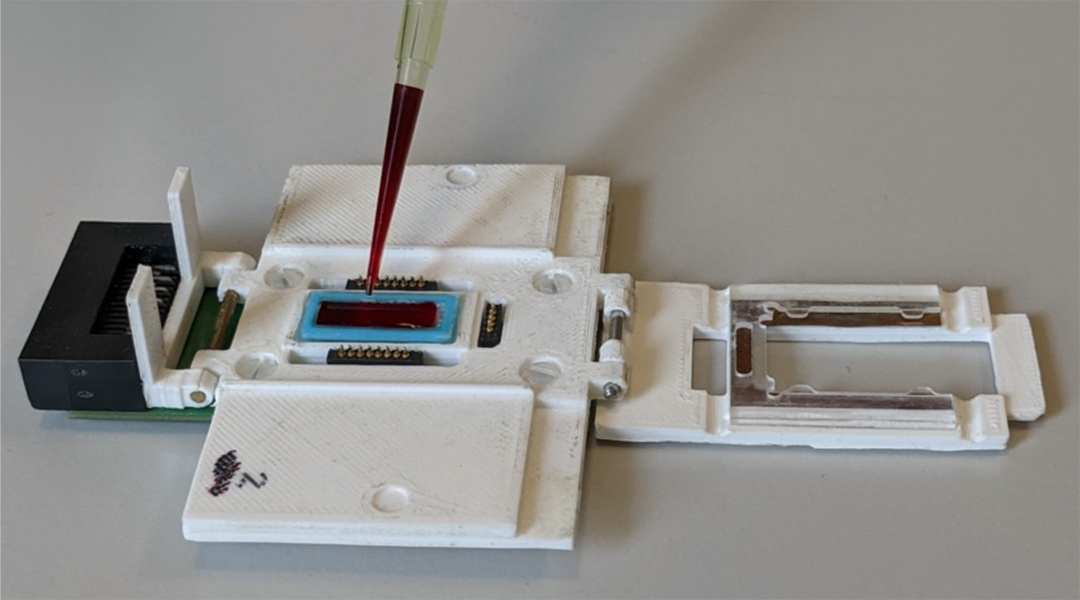
A new lab-on-chip technology enables the rapid and quantitative identification of malaria parasites in the blood for better and more accurate diagnosis in remote regions.
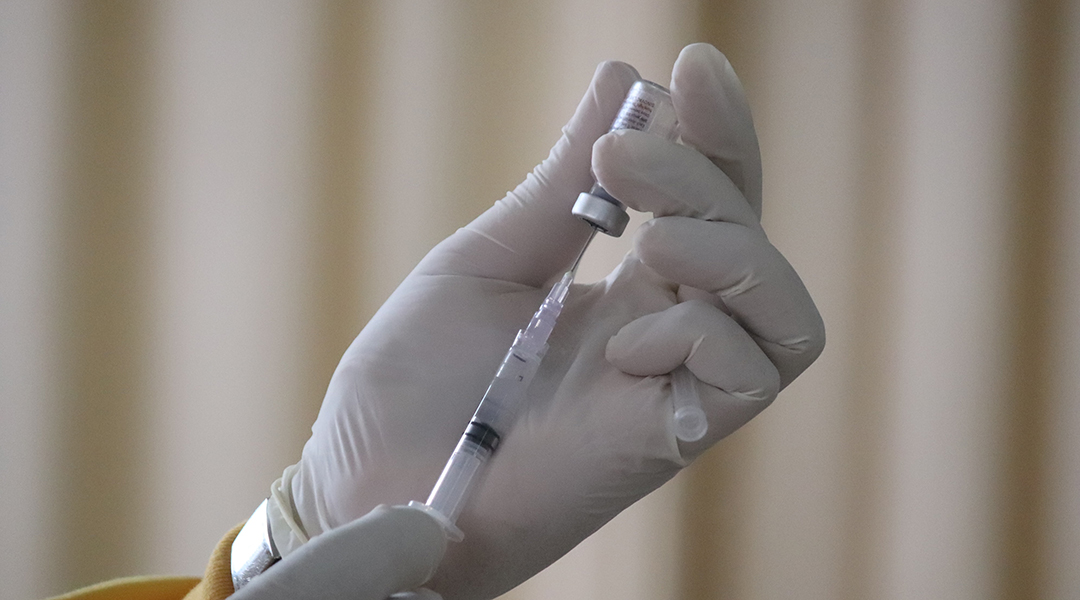
While numbers indicate that the risks of COVID-19 still outweigh potential vaccine side effects, the current pause in vaccine distribution demonstrate the system is working and the public is onboard.
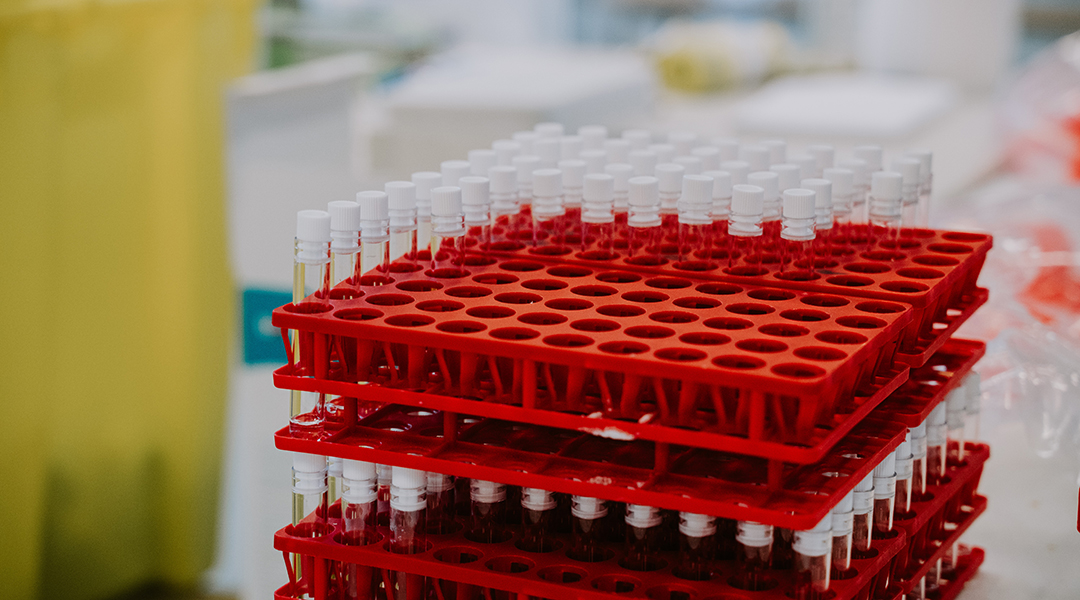
Assays using pseudoviruses have been indispensable in our efforts to halt the current pandemic.
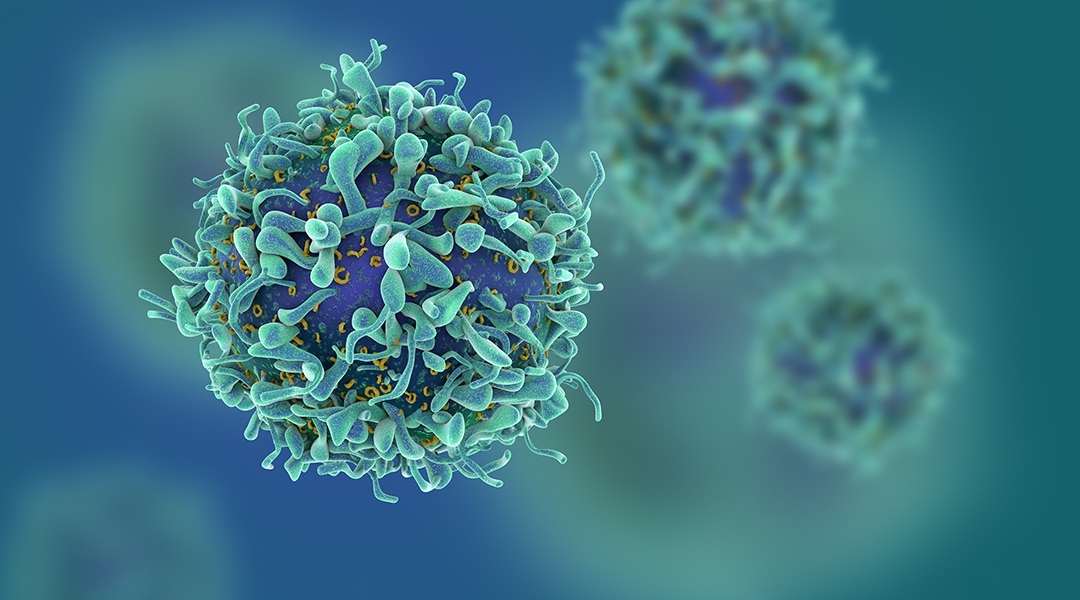
Delivering vaccines directly to the lungs can boost immune responses to respiratory infections or lung cancer, study finds.
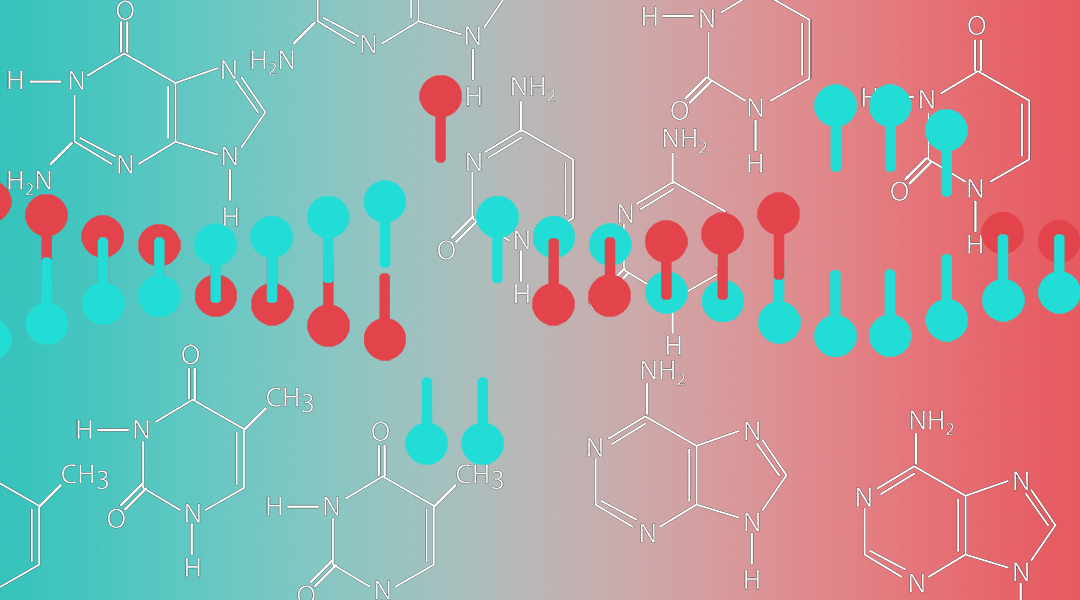
Here we take a look at how CRISPR, the revolutionary “molecular scissors”, works and where its being used.
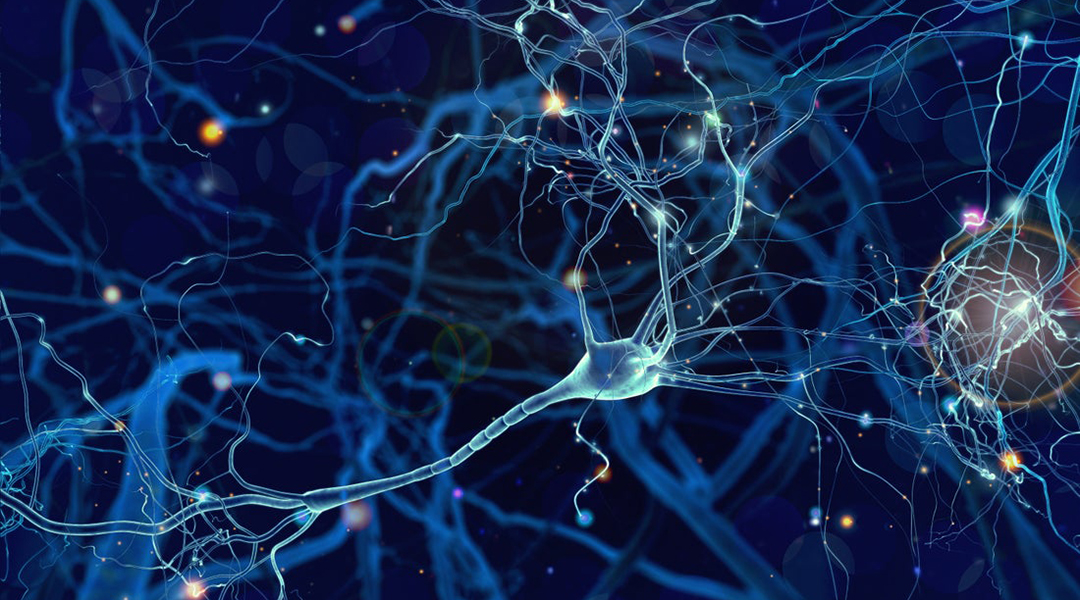
A new study provides hope for Parkinson’s disease, showing that neuron grafts using patients’ own cells have the potential to manage and even reverse symptoms.
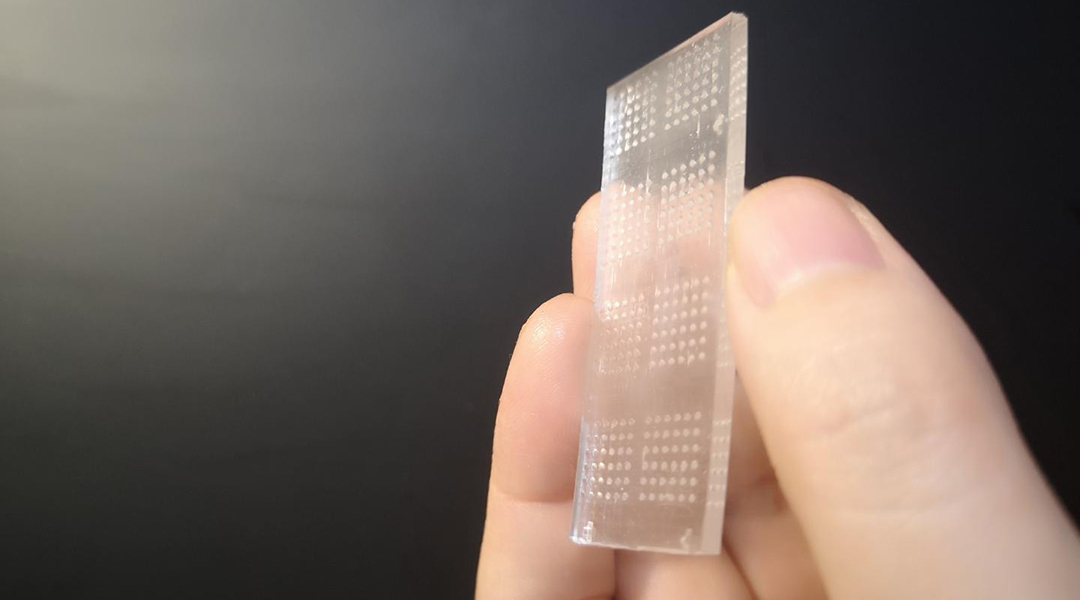
A new microwell chip holds promise for screening immunotherapy drugs with the added bonus that it can include a patient’s own cells for optimized treatment planning.
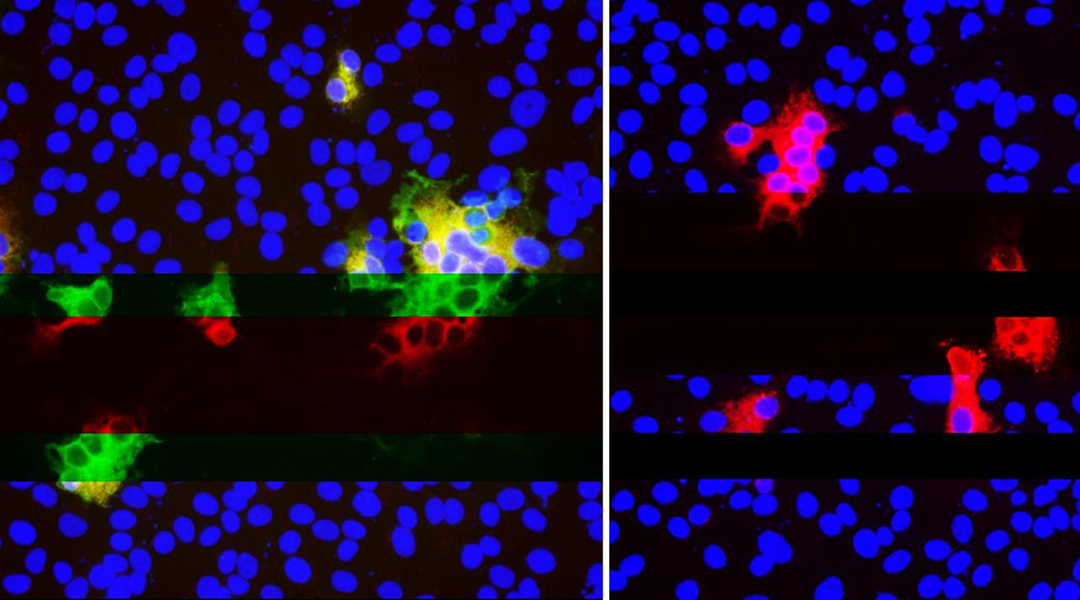
A scientific detective story unearths how SARS-CoV-2 evolves new variants that evade antibodies.
 New theory suggests gravity is not a fundamental force
 Higgs boson may be driving the Universe’s expansion
 Water-powered gadgets may be on the horizon thanks to new evaporation-based energy device
 Scientists discover a new class of antibiotics
 Micron-sized hidden dimensions could solve two of physics’ deepest puzzles
 A new type of dark matter could explain mysterious radiation from the Milky Way’s core