Professor Geoffrey Ozin from the University of Toronto discusses the endless possibilities of biomimicry and biotemplating.
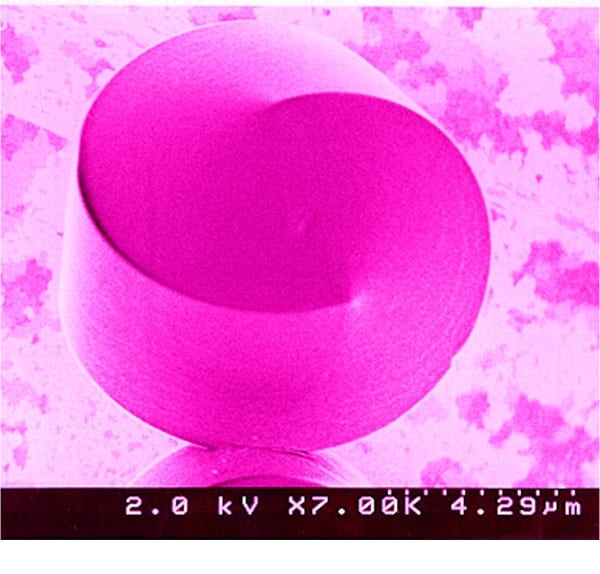

Professor Geoffrey Ozin from the University of Toronto discusses the endless possibilities of biomimicry and biotemplating.

Though important, there are trade-offs to achieving the UN’s sustainable development goals when it comes to carbon capture and utilization.
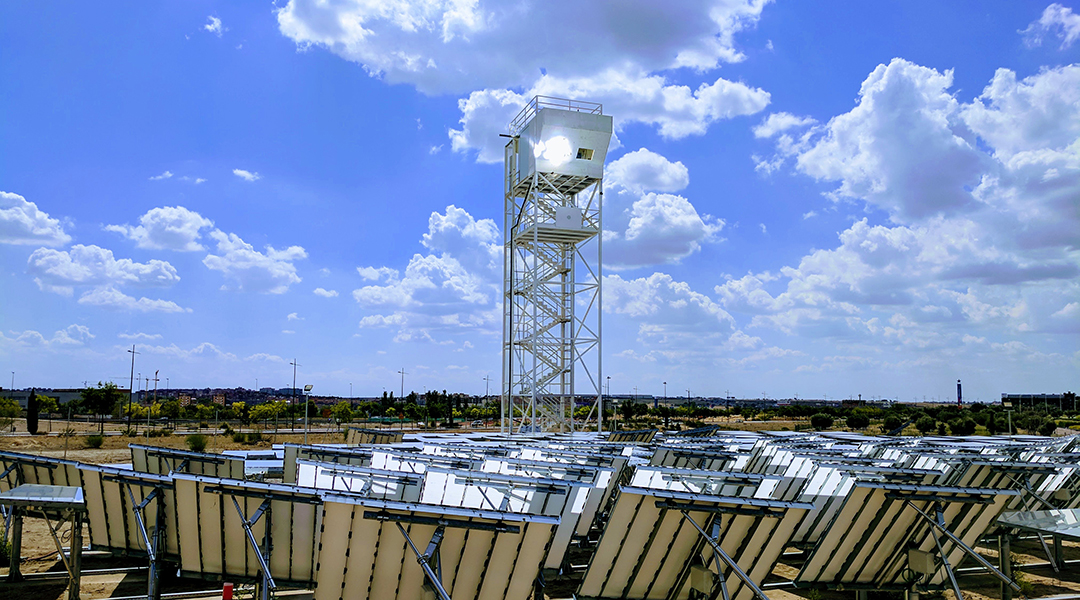
The production of kerosene directly from carbon dioxide and water promises to be a game-changer in the energy field.
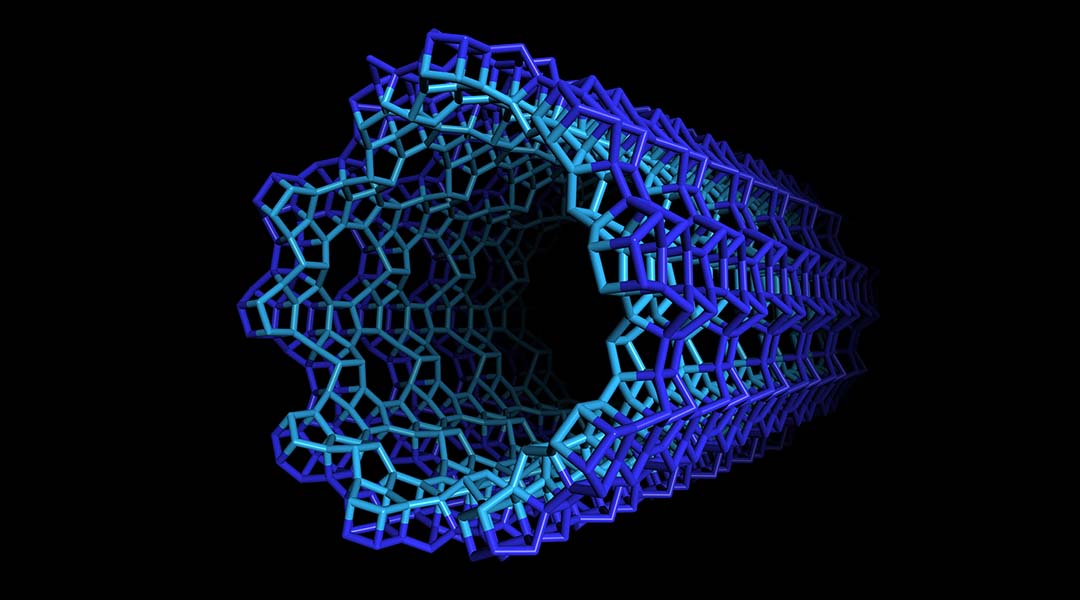
Nanotubes made from sheets of zeolite promise to expand this material’s already extensive range of application.
Catch up on some of the most exciting and impactful developments in science from this year, published on ASN and selected by our editors.
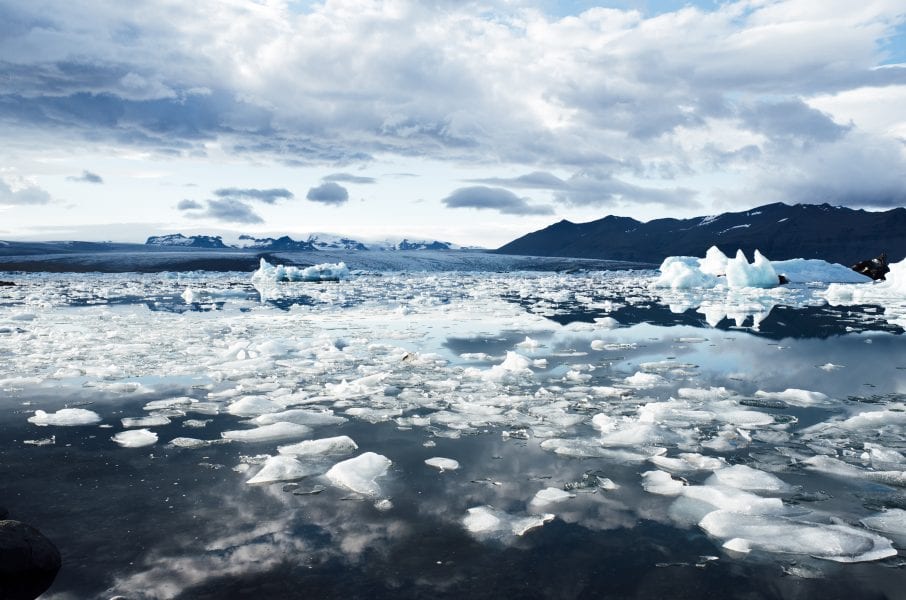
To address climate change, we need to reduce net anthropogenic greenhouse gas (GHG) emissions to zero as soon as possible; that is, hopefully by 2050 or so.
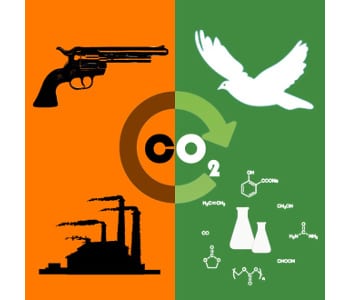
Professor Ozin asks the question; do we want war or peace with CO2?
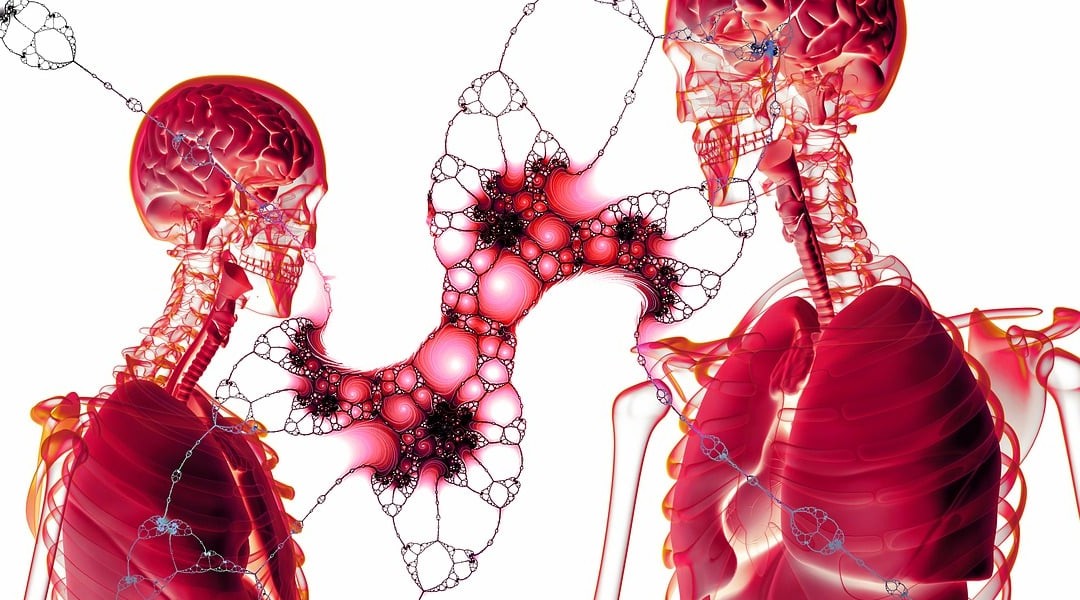
A new study helps advance the knowledge of transplanted liver cell biology.
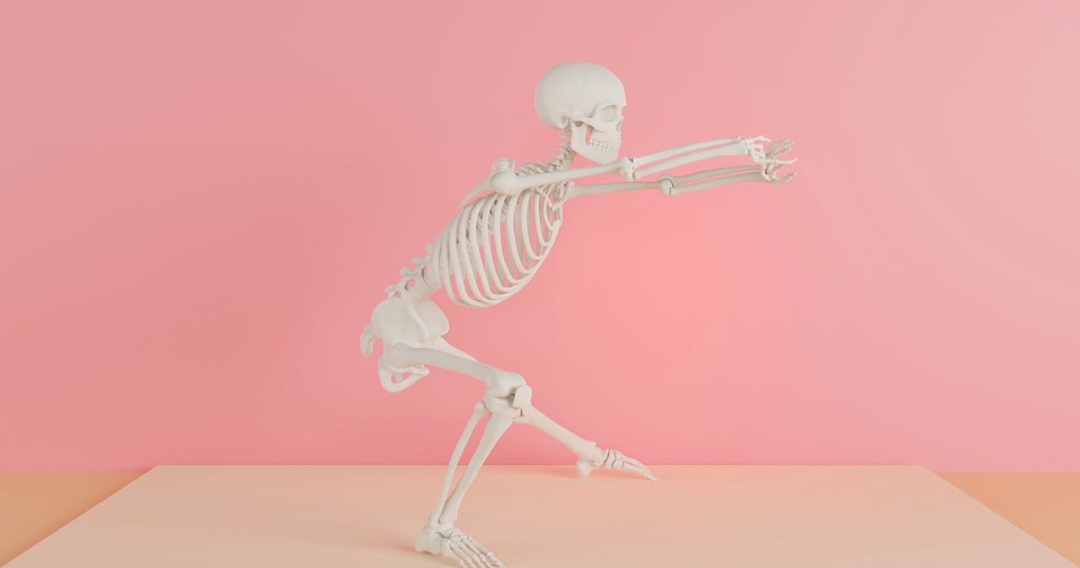
Mechanically fine-tuning the microenvironment enables researchers to bioprint different types of musculoskeletal tissues.
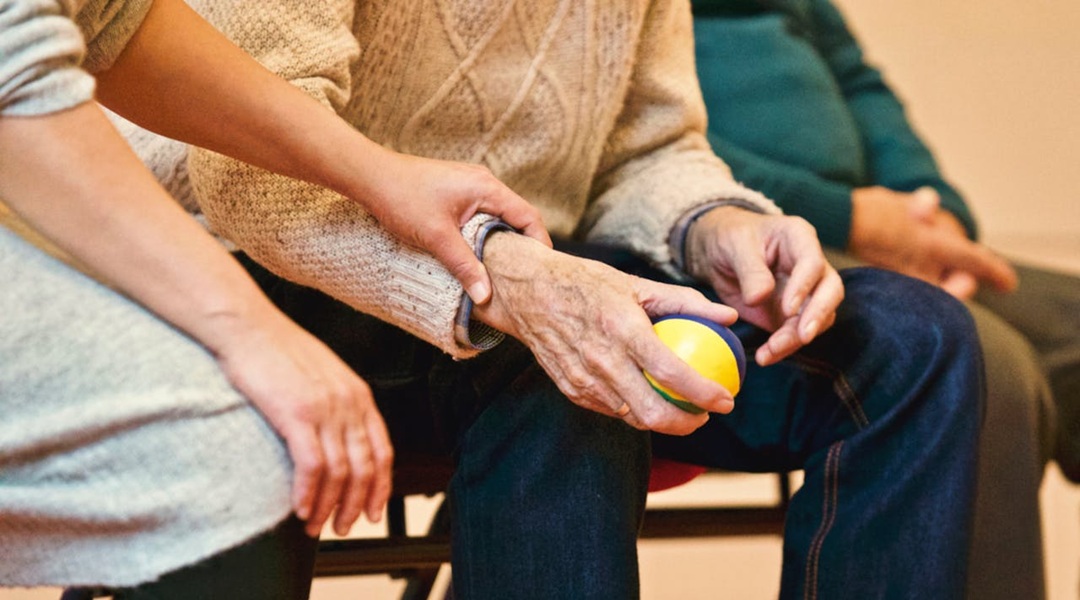
Analysis of over 600 post-mortem brains reveals ATP depletion as key in Alzheimer’s-related ferroptosis, pointing to new treatments.
 Micron-sized hidden dimensions could solve two of physics’ deepest puzzles
 Turning Periods into Power: Menstrual Blood a Valuable Resource for Medical Diagnostics
 Surfactants Steer Supraparticle Structure
 Bone loss in obesity traced to gut microbiota
 Edible electronics realize safe, complex monitoring devices
 Fermilab Confirms Muon g-2 Measurements