Researchers from Freie Universität Berlin explore the impact of 3D pharmacophores on drug discovery, as well as recent developments in the field.
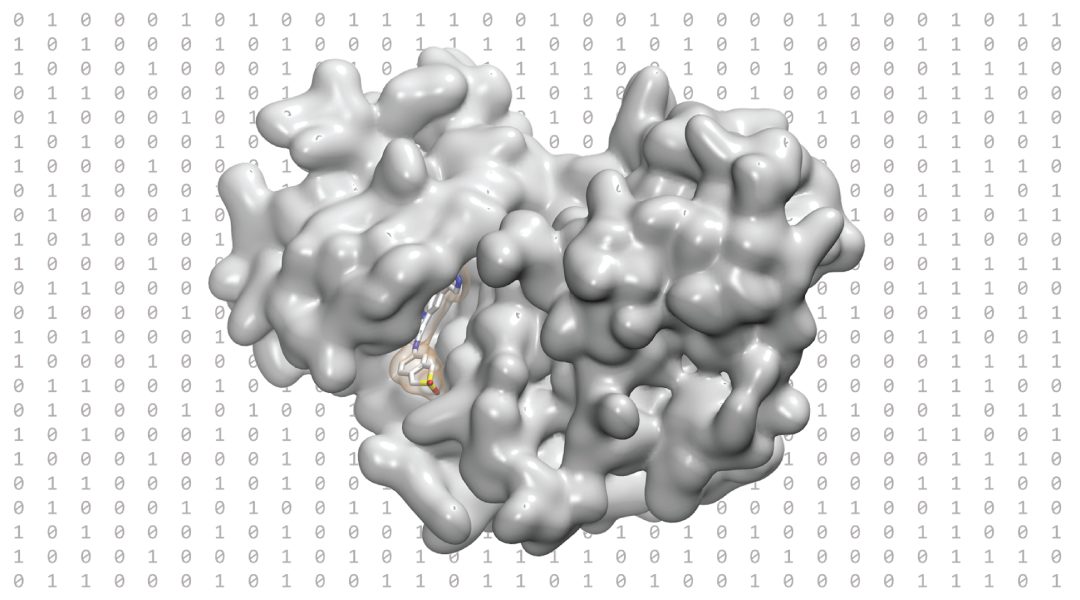

Researchers from Freie Universität Berlin explore the impact of 3D pharmacophores on drug discovery, as well as recent developments in the field.
Will artificial intelligence expand and enhance its teaching prowess to the point where it can replace the professor in his or her traditional role?
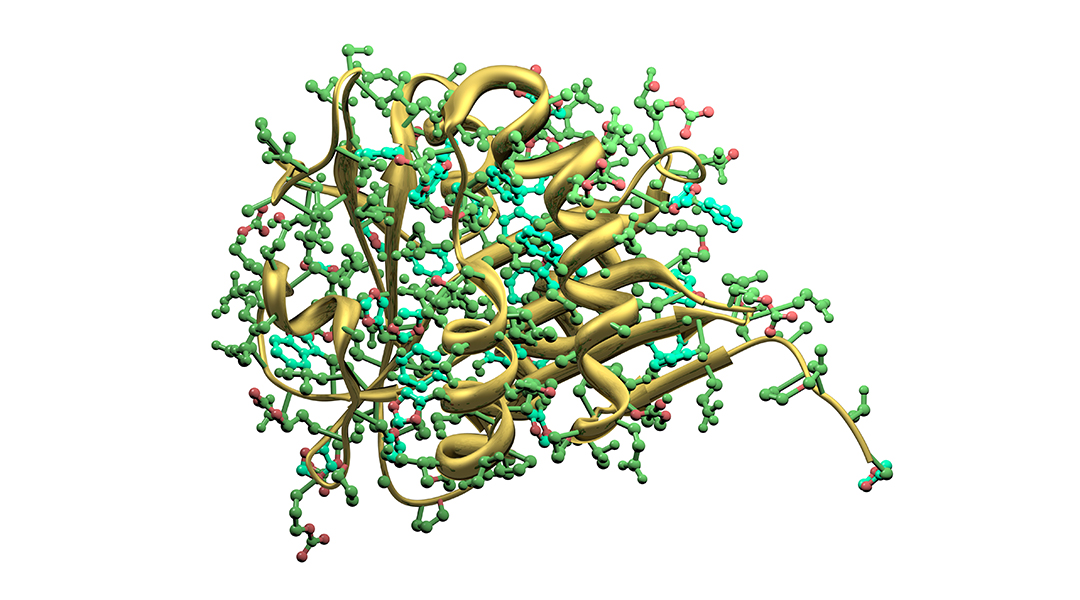
Artificial enzymes promise to not only help us understand the complex functioning of enzymes, but will create a new generation of biosystems for sustainable chemistry practices.
AI is being leveraged to provide machines with the capacity to match or even outperform humans in many endeavors. So what does this mean for the synthetic chemist?
Machine learning significantly reduces the time and cost involved in drug screening.
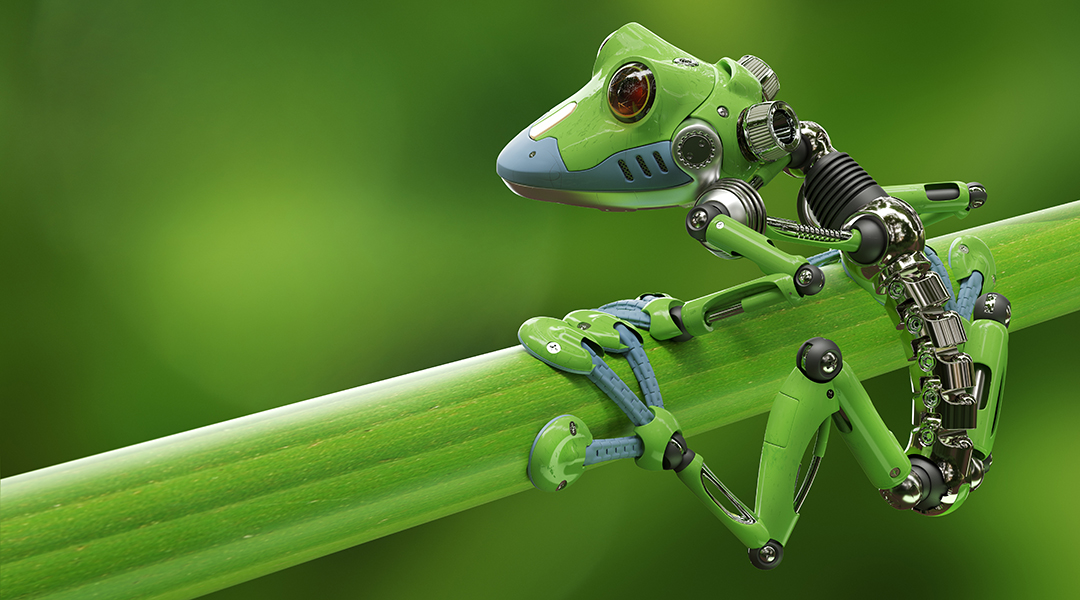
Tiny ‘xenobots’ assembled from cells promise advances from drug delivery to toxic waste clean-up.

By examining a wide selection of research works from the last two years, it was very clear that astronomers are using machine learning and AI as powerful discovery tools across a range of fields.
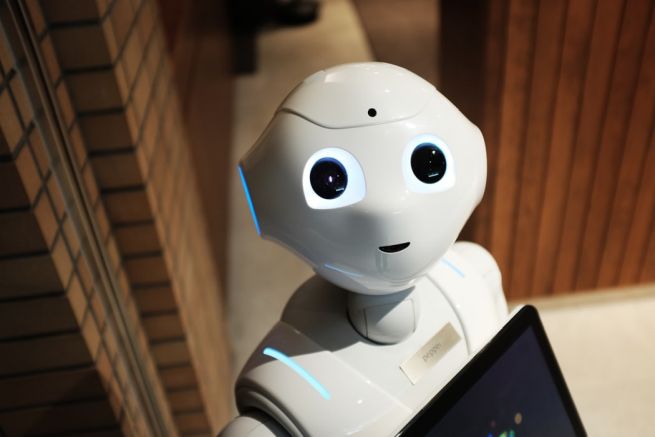
AI is growing at a rapid pace and solving complex problems in the process—but what are the risks of such a sophisticated technology?
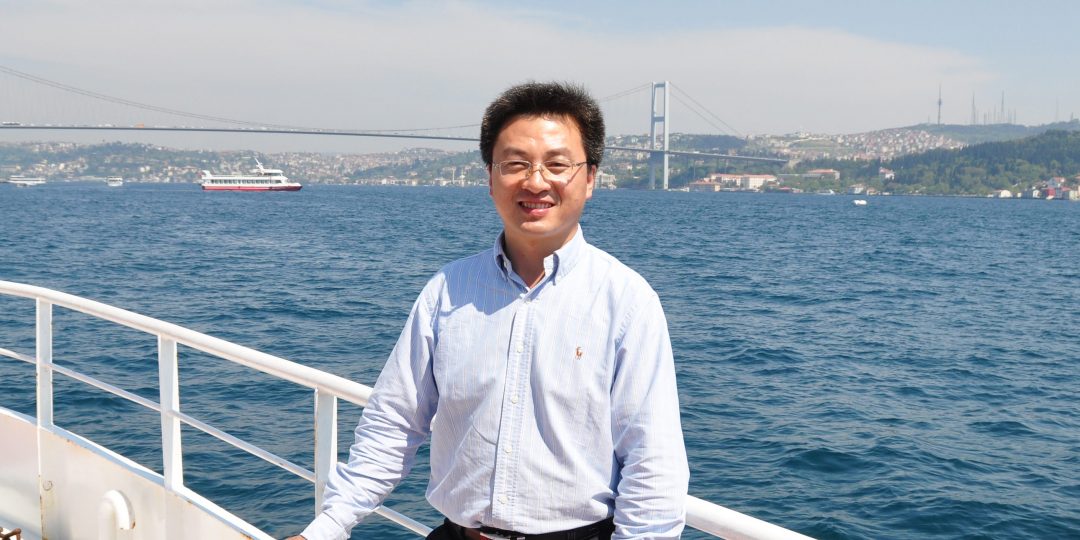
Curiosity driving scientific interest: Prof. Yanglong Hou shares his story for Advanced Science 5th anniversary
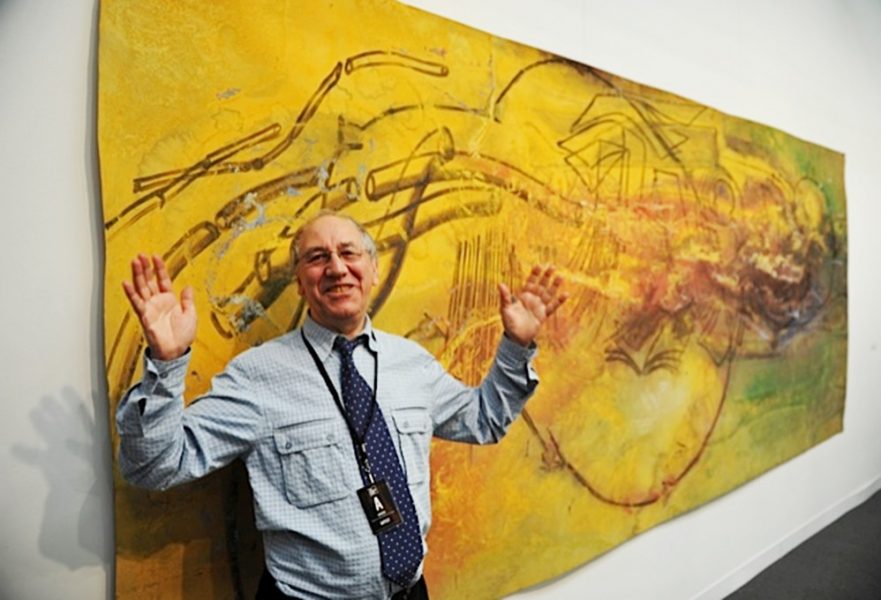
In honor of Advanced Science’s 5th Anniversary, Professor Geoffrey Ozin opens up about his 50 years in materials chemistry, his love of art and communicating science, as well as future research directions.
 New theory suggests gravity is not a fundamental force
 Higgs boson may be driving the Universe’s expansion
 Water-powered gadgets may be on the horizon thanks to new evaporation-based energy device
 Scientists discover a new class of antibiotics
 Micron-sized hidden dimensions could solve two of physics’ deepest puzzles
 A new type of dark matter could explain mysterious radiation from the Milky Way’s core