What good is a fast computer if you can’t rely on it?


What good is a fast computer if you can’t rely on it?

An artificial synapse capable of simultaneously detecting neurotransmitters and light mimics memory and learning processes found in the brain.

A new, open-source platform allows scientists to easily measure the carbon footprint of their computations.
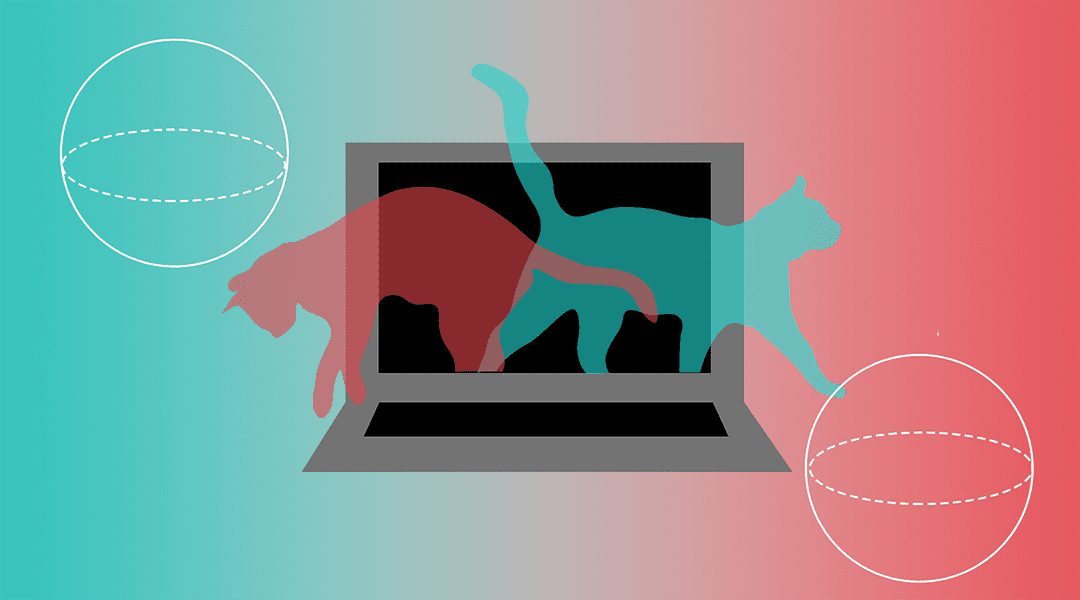
Computers relying on subatomic physics: what are quantum computers, and how will they revolutionize our computing abilities?

New quantum algorithms will have dramatic impact in computational molecular biology and bioinformatics and promise to impact a number of life science applications.
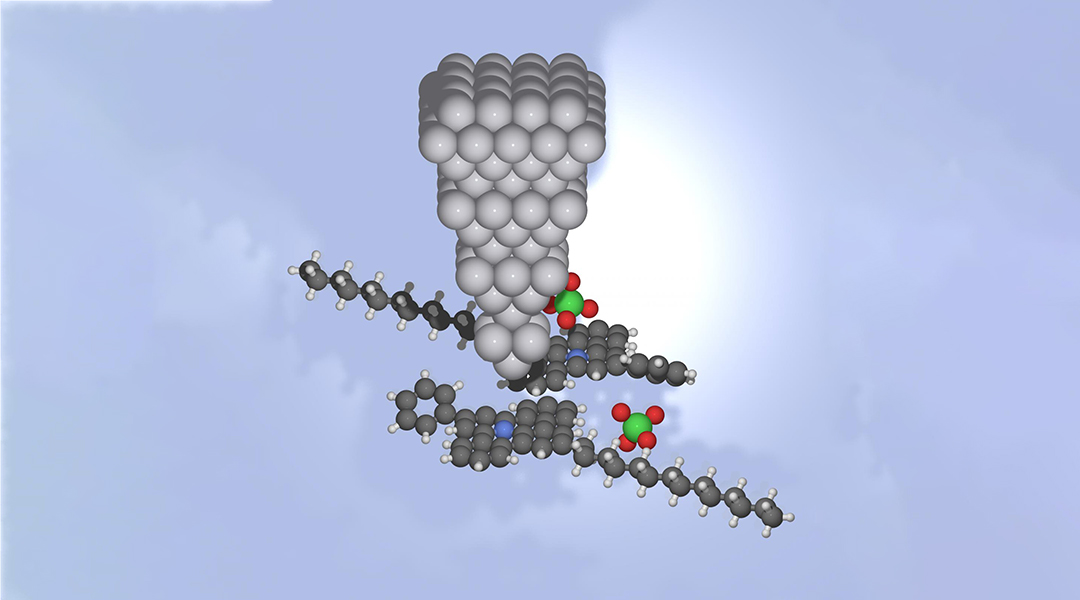
Researchers have discovered a single-molecule “switch” that can act like a transistor and offers the potential to store binary information.
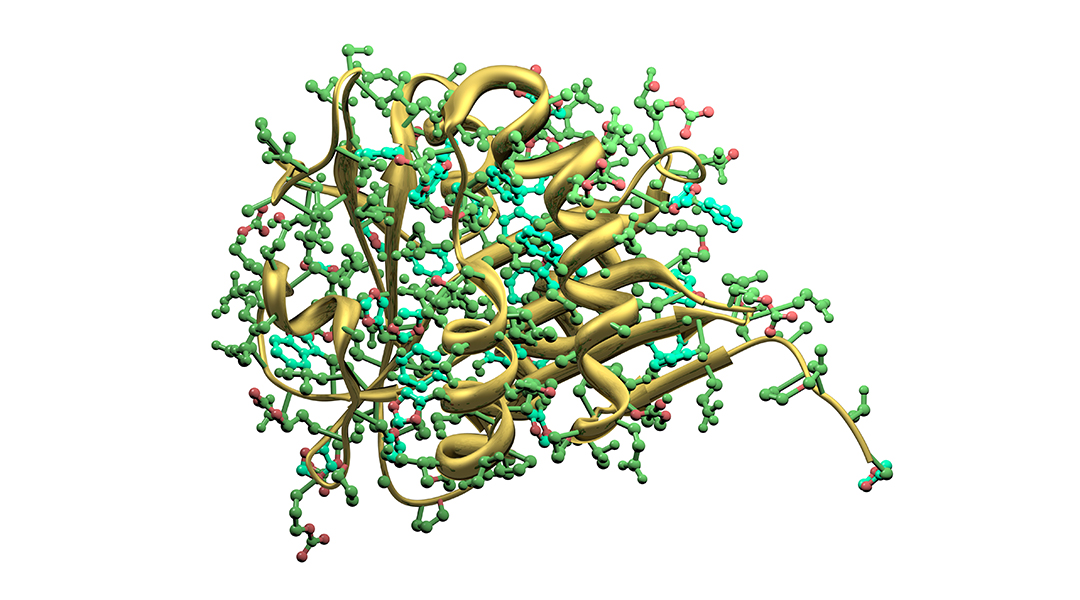
Artificial enzymes promise to not only help us understand the complex functioning of enzymes, but will create a new generation of biosystems for sustainable chemistry practices.

A new study shows fundamental limitations to the computer-based simulation of chaotic systems with implications in climate change modeling, weather forecasts, and machine learning.
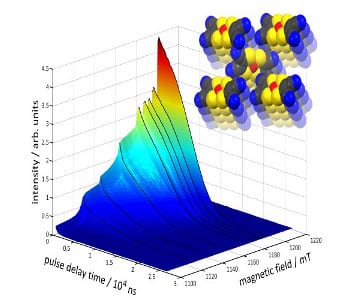
Joris van Slageren´s research group discovers molecular quantum bit with exceptionally long coherence time over an unusually wide temperature range.
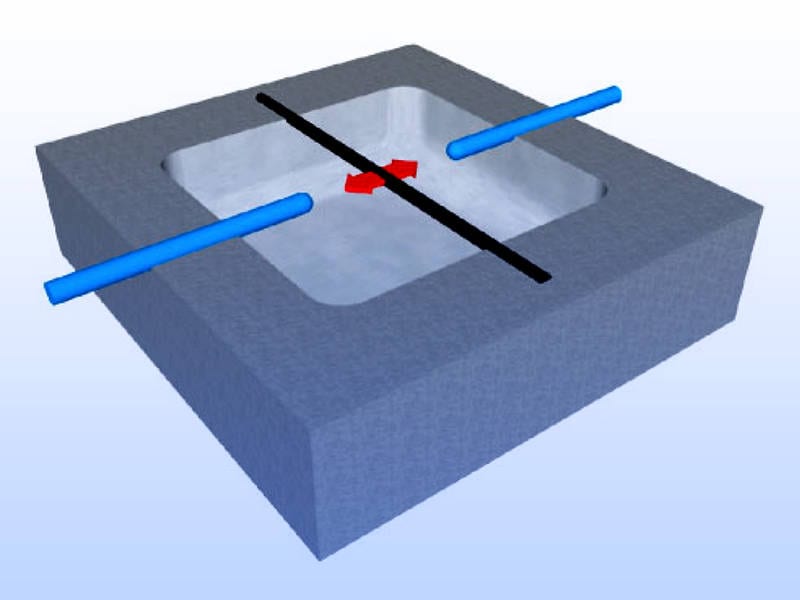
Munich-based team show how nanotubes can store information in the form of vibrations.
 New theory suggests gravity is not a fundamental force
 Higgs boson may be driving the Universe’s expansion
 Water-powered gadgets may be on the horizon thanks to new evaporation-based energy device
 Scientists discover a new class of antibiotics
 Micron-sized hidden dimensions could solve two of physics’ deepest puzzles
 A new type of dark matter could explain mysterious radiation from the Milky Way’s core