Munich-based team show how nanotubes can store information in the form of vibrations.
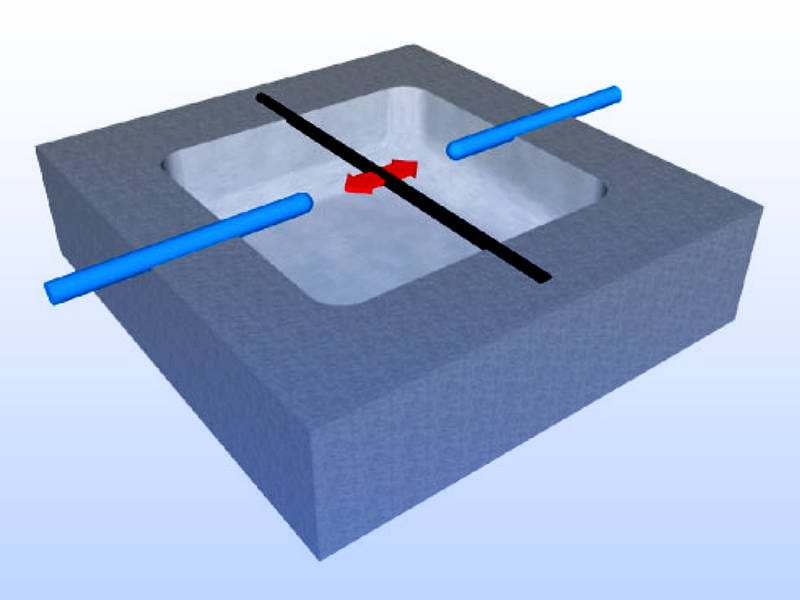

Munich-based team show how nanotubes can store information in the form of vibrations.

Graphene and carbon nanotubes could improve the electronics used in computers and mobile phones, reveals new research from the University of Gothenburg, Sweden.

Bringing quantum technologies from the lab onto the chip, Roy Zektzer aims to make quantum research more accessible.

Light-activated “quantum killers” could offer an alternative to antibiotics.

Low-loss router based on an interferometer preserves polarization while directing single photons and entangled pairs.

Scientists created flexible probabilistic bits from custom polymers, offering a new, energy-efficient path for AI and machine learning using classical physics.

“We’ve essentially reworked the standard recipe for making organic light emitting diodes, like those found in smartphones.”
A new study targets feature selection, a key step in machine learning where the algorithm determines which parts of the input data are most relevant to making accurate predictions.
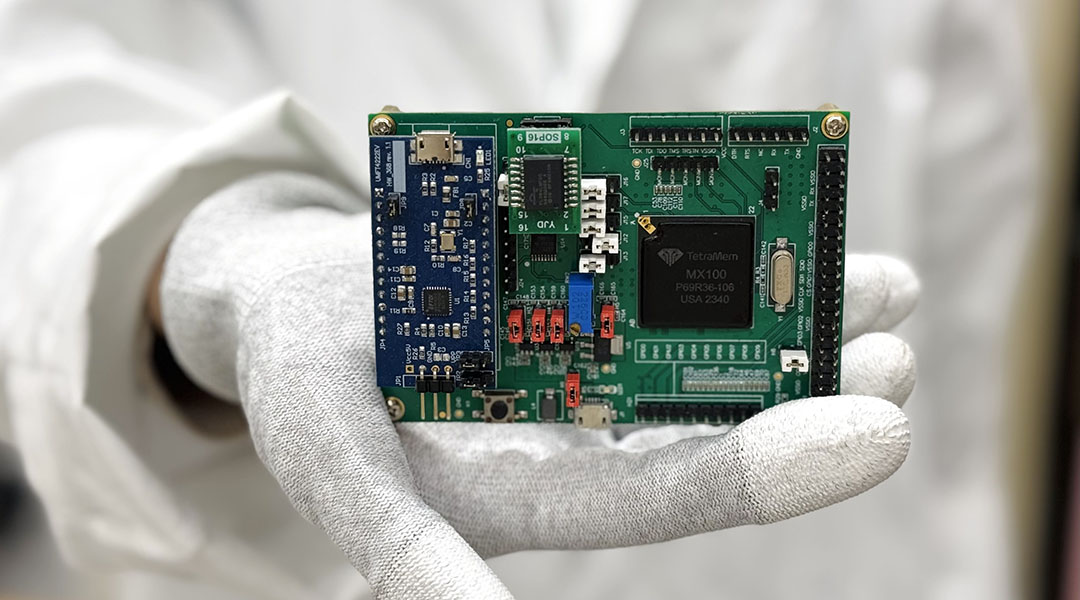
The system detects biomarkers for life-threatening diseases, such as heart attacks and cancer, enabling timely medical intervention.

Harnessing skyrmions’ random motion and low energy requirements, this discovery could lead to more efficient and powerful computing technologies.
 Soy protein fuels the future of eco-friendly solid-state batteries
 Microneedles enable 98% smaller, cheaper artificial pancreas
 Machine learning identifies anti-aging neuroprotective treatments
 Quantum router preserving delicate photon states may advance quantum technologies
 Teaching machines to quiet the noise in quantum computers
 3D printed scaffolds bring artificial bone closer to reality