Scientists pave way for nanobots to one day diagnose and treat disease with the first DNA-based motor to run on chemical energy.
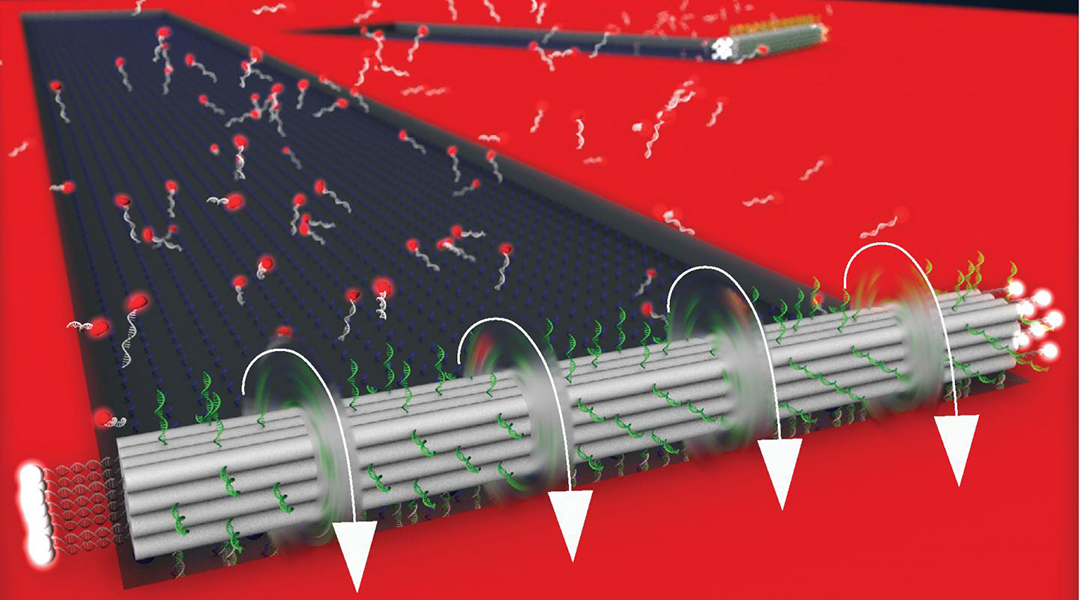

Scientists pave way for nanobots to one day diagnose and treat disease with the first DNA-based motor to run on chemical energy.
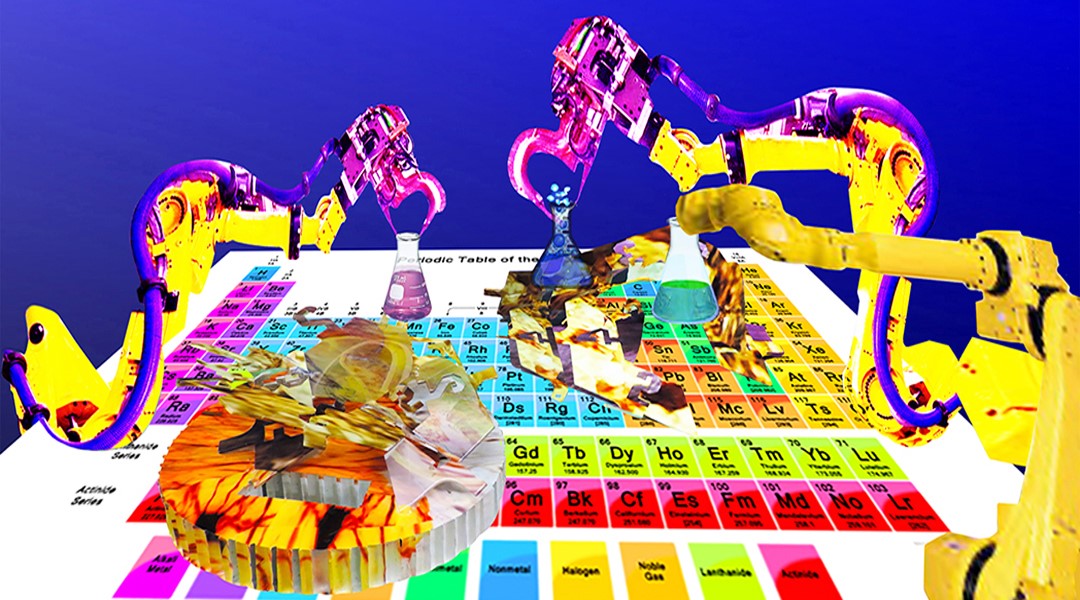
AI is being leveraged to provide machines with the capacity to match or even outperform humans in many endeavors. So what does this mean for the synthetic chemist?
How do we reproduce the memory and processing capabilities of the human brain?
UCF researchers develop a device that mimics brain cells used for human vision. The invention may help to one day make robots that can think like humans.

In honor of the UN’s International Day of Women in Science, this week we highlight Katherine Johnson, pioneering mathematician and NASA legend.

Researchers propose printing electrodes for lithium-ion batteries on an inkjet printer, which will reduce the electrodes’ thickness by 10-20 times.
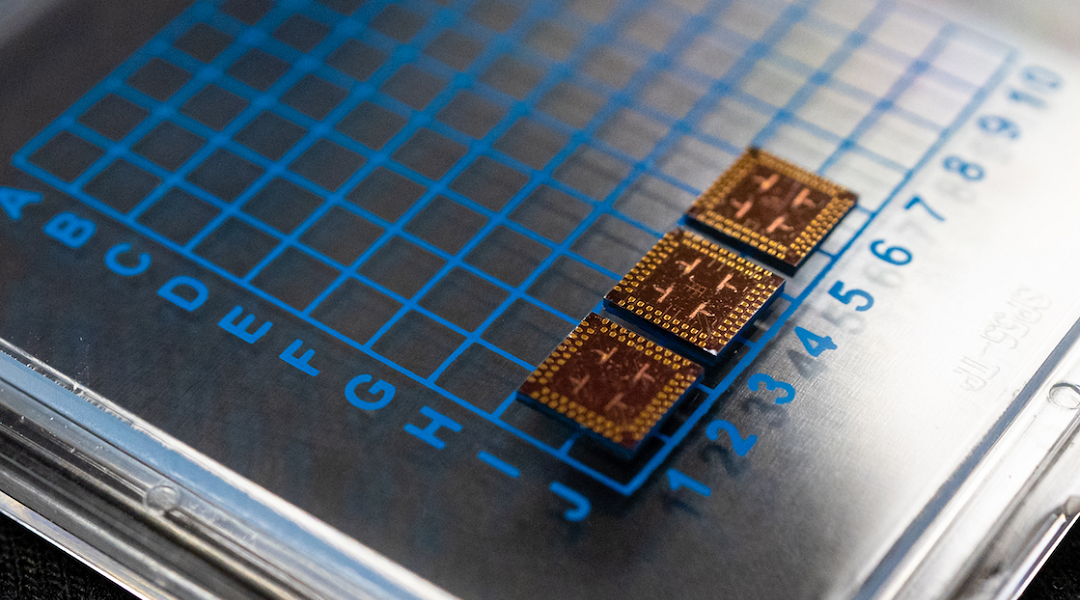
Scientists developed cryogenic memory cells that could be orders of magnitude faster than existing memories while consuming very little power.
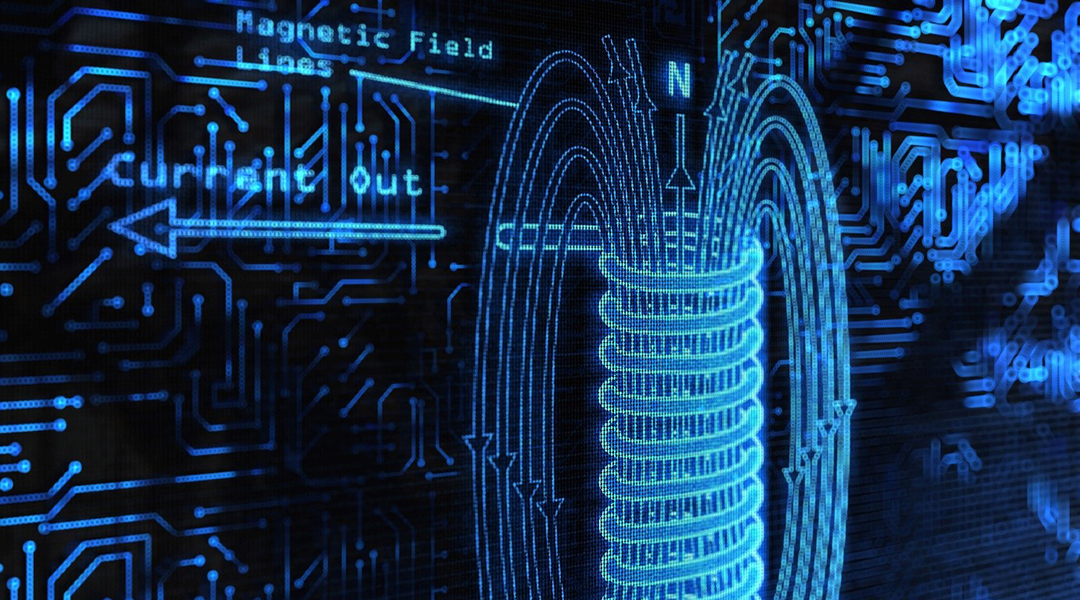
Clarifying some of the misconceptions, limitations, and capabilities of CEM modelling to help researchers find the right tools for their needs.

German physicists converted electrical signals into photons and radiated them in specific directions using a nanometer-scale antenna.

By examining a wide selection of research works from the last two years, it was very clear that astronomers are using machine learning and AI as powerful discovery tools across a range of fields.
 New theory suggests gravity is not a fundamental force
 Higgs boson may be driving the Universe’s expansion
 Water-powered gadgets may be on the horizon thanks to new evaporation-based energy device
 Scientists discover a new class of antibiotics
 Micron-sized hidden dimensions could solve two of physics’ deepest puzzles
 A new type of dark matter could explain mysterious radiation from the Milky Way’s core