In a small group of patients, language and memory showed improvement for up to 3 months after ultrasound brain stimulation therapy.

In a small group of patients, language and memory showed improvement for up to 3 months after ultrasound brain stimulation therapy.
AI is growing at a rapid pace and solving complex problems in the process—but what are the risks of such a sophisticated technology?
Scientists take us a step closer to making cell transplantation a viable clinical option.
Studying genes that orchestrate early brainstem development has increased our understanding of breathing control and associated disorders.
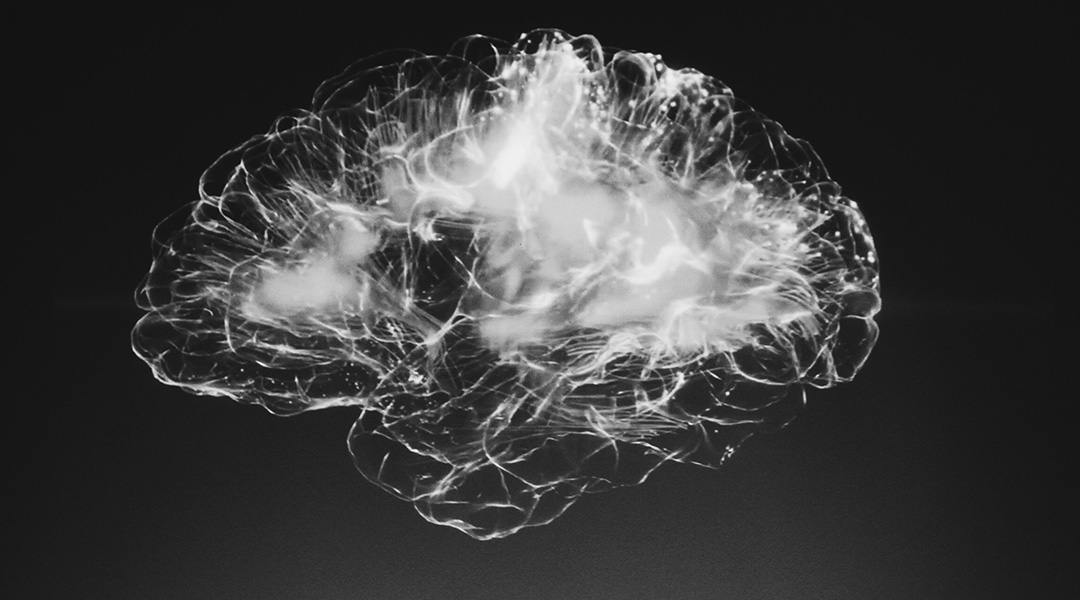
By combining two types of memory arrays, researchers can accelerate image recognition for more efficient machine learning.

In this essay, scientists from Spain and Denmark delve into the spectrum of possibilities offered by wearable and implantable healthcare devices and provide new insight into the cyborganic era.
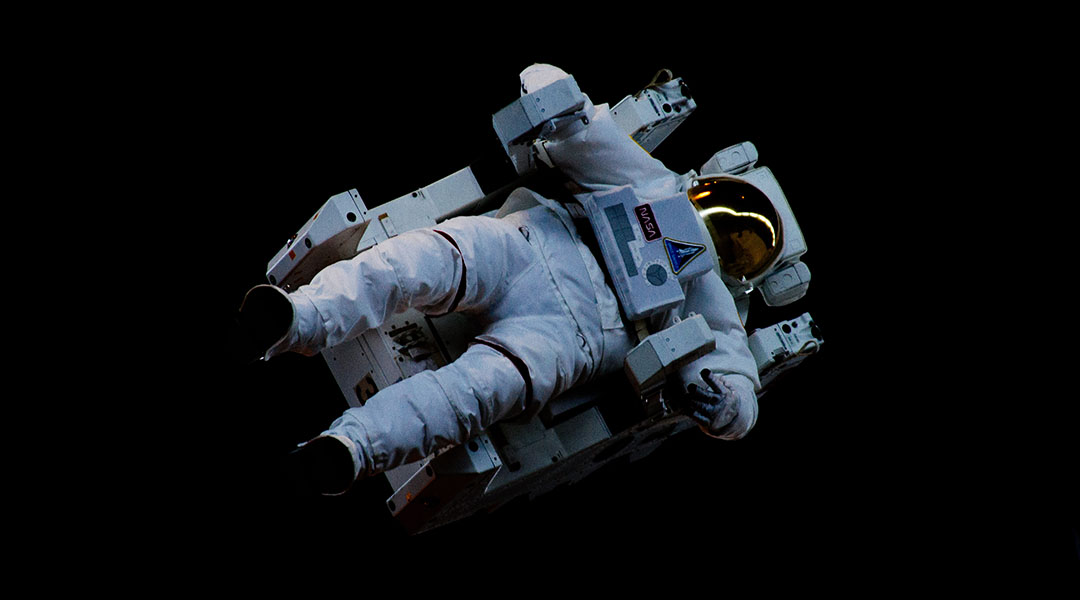
The ways astronauts prep for spaceflight could benefit cancer patients, researchers say.
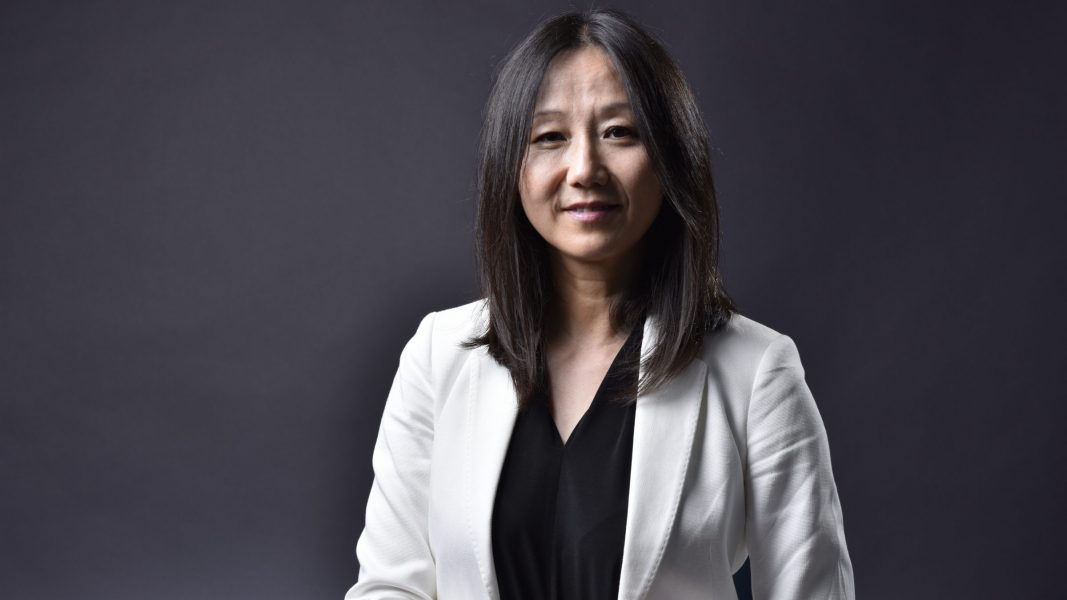
Curious, diligent, and always positive, meet Prof. Zhenan Bao and her electronic skin.
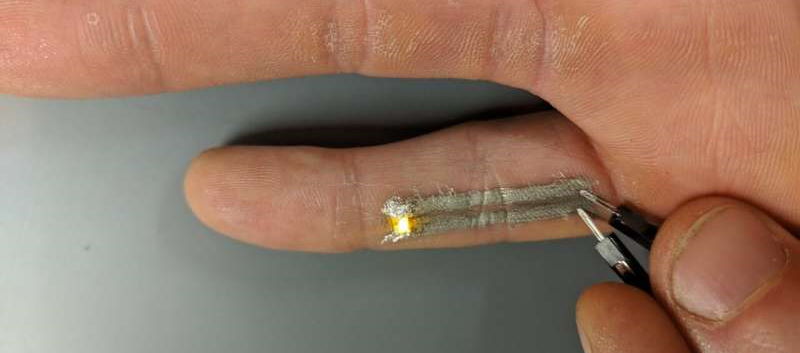
Scientists developed a fully print-in-place electronics technique that is gentle enough to work on surfaces as delicate as human skin.

Climate scientist, Dr. Juan Declet-Barreto, discusses the wider impacts of climate change, emerging sentiments of apathy and how we rise above them.
 New theory suggests gravity is not a fundamental force
 Higgs boson may be driving the Universe’s expansion
 Water-powered gadgets may be on the horizon thanks to new evaporation-based energy device
 Scientists discover a new class of antibiotics
 Micron-sized hidden dimensions could solve two of physics’ deepest puzzles
 A new type of dark matter could explain mysterious radiation from the Milky Way’s core