Single stranded RNAs with a free 5′ monophosphate end are susceptible to rapid degradation. Transfer RNAs (tRNAs) and ribosomal RNAs (rRNAs) are stabilized by hairpin structures and by “hiding” their 5′ ends within complex protein structures.
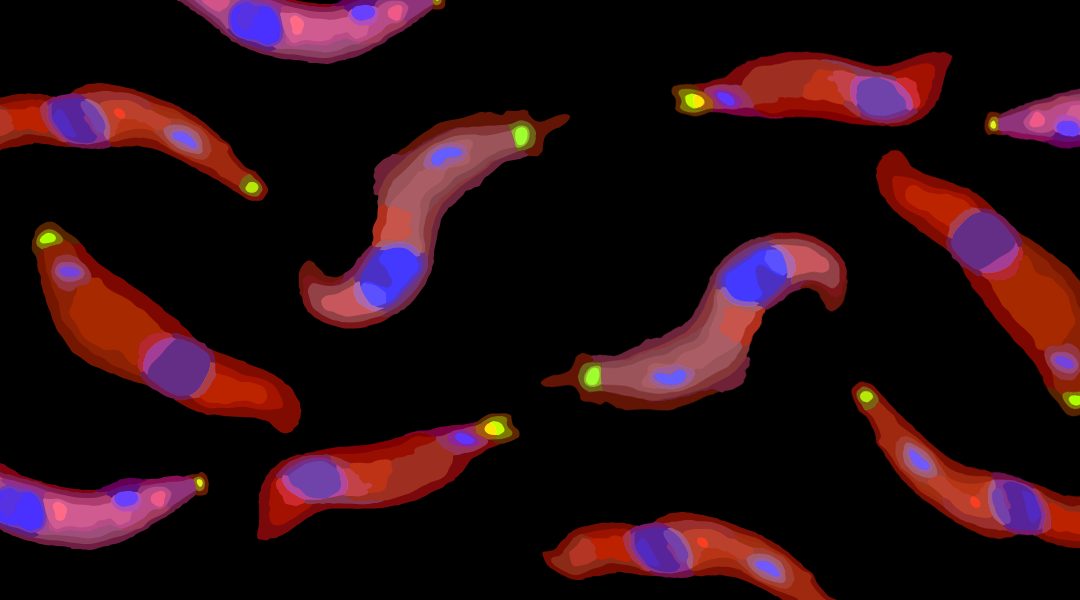

Single stranded RNAs with a free 5′ monophosphate end are susceptible to rapid degradation. Transfer RNAs (tRNAs) and ribosomal RNAs (rRNAs) are stabilized by hairpin structures and by “hiding” their 5′ ends within complex protein structures.

A demonstration plant for a groundbreaking technology to produce chemicals from sunlight will be built at Delfzijl, the Netherlands.

Guillermo C. Bazan on intellectual giants, science communication and future research.
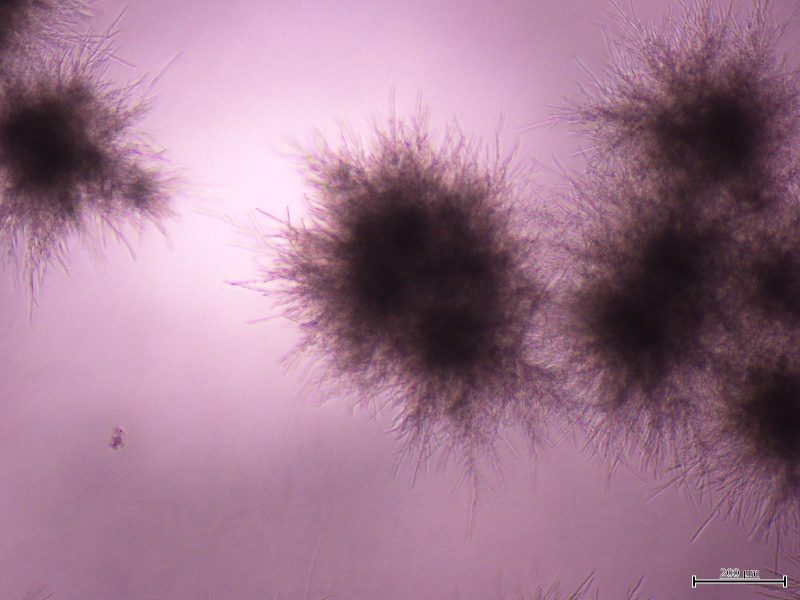
Mammalian barrier surfaces are densely populated by symbiont fungi in much the same way the former are colonized by symbiont bacteria. The fungal microbiota, otherwise known as the mycobiota, is increasingly recognized as a critical player in the maintenance of health and homeostasis of the host.
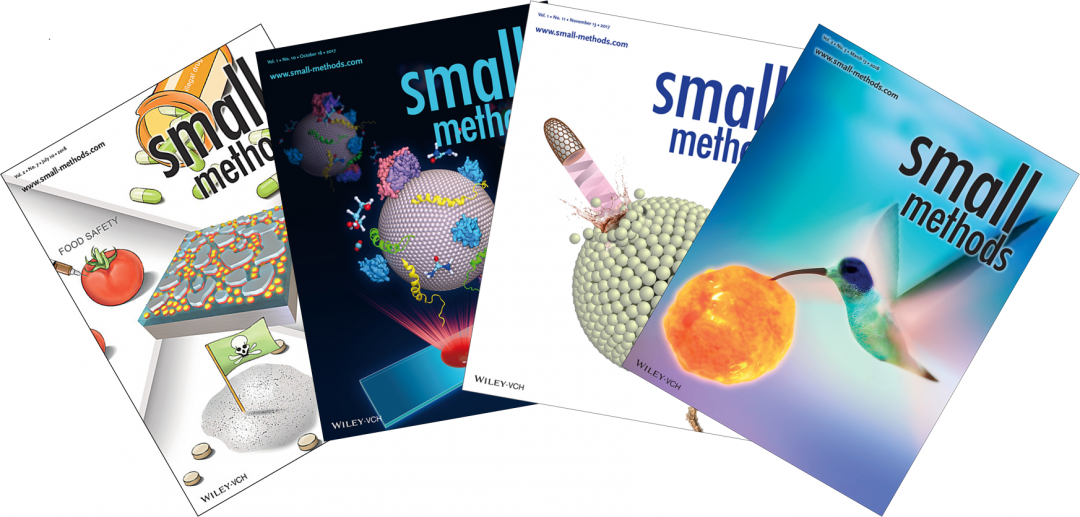
The Editors of Small Methods are pleased to publish this special biomedical virtual issue. This collection highlights outstanding research in Small Methods from the very first issue to now, in the areas of biosensing, biomedical engineering, nanomaterials,...

By matching the absorption of chloroplasts, dual-wavelength-emitting carbon dots can enhance the efficiency of the biological photosynthetic system both in vivo and in vitro.

A platform to self‐assemble immune signals into nanostructured capsules is discussed.

A team of researchers from China set up a study that gives new insights in using plasma in breast cancer treatment.

In their article published in BioEssays, James Staley and Gustavo Caetano-Anollés provide a novel perspective on the evolutionary origin of the three domains of life (Archaea, Bacteria and Eukarya).
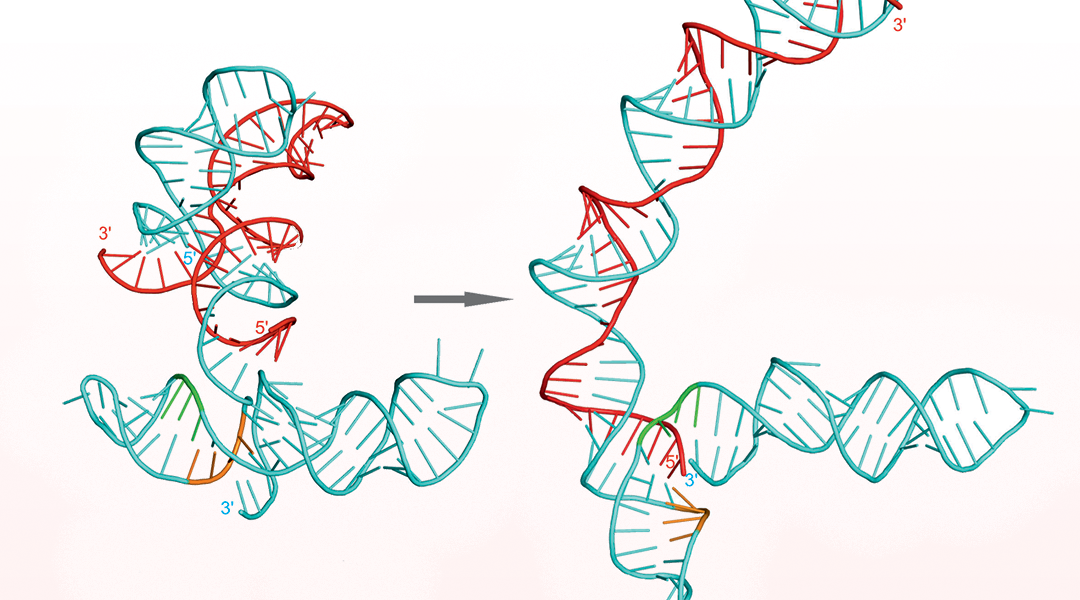
Bacterial plasmids constitute a wealth of shared DNA amounting to about 20% of the total prokaryotic pangenome. Plasmids replicate autonomously and control their replication by maintaining a fairly constant number of copies within a given host. Plasmids should acquire a good fitness to their hosts so that they do not constitute a genetic load.
 New theory suggests gravity is not a fundamental force
 Higgs boson may be driving the Universe’s expansion
 Water-powered gadgets may be on the horizon thanks to new evaporation-based energy device
 Scientists discover a new class of antibiotics
 Micron-sized hidden dimensions could solve two of physics’ deepest puzzles
 A new type of dark matter could explain mysterious radiation from the Milky Way’s core