Will artificial intelligence expand and enhance its teaching prowess to the point where it can replace the professor in his or her traditional role?
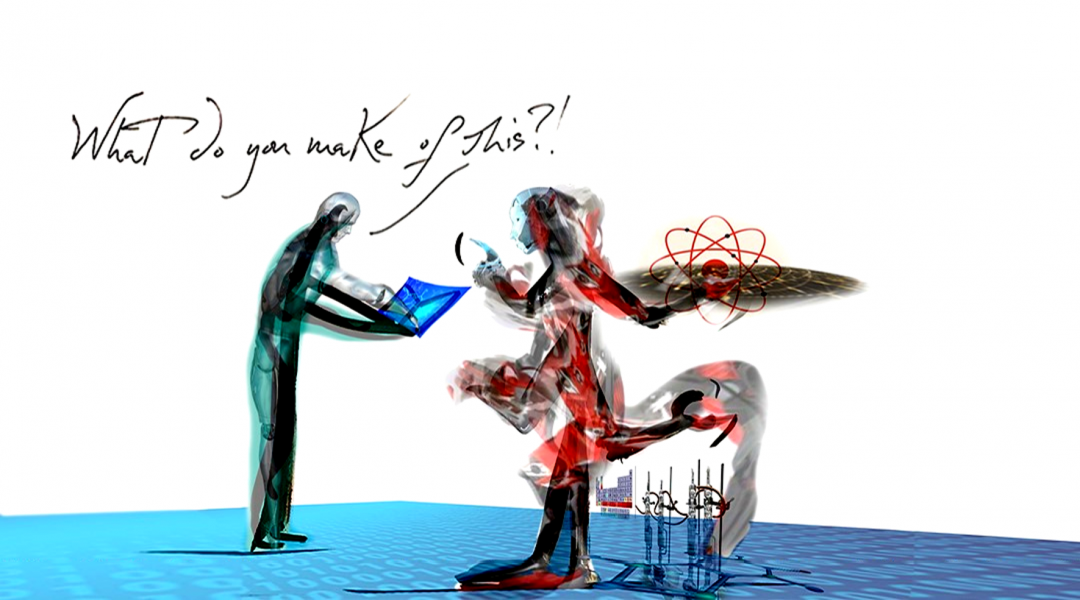

Will artificial intelligence expand and enhance its teaching prowess to the point where it can replace the professor in his or her traditional role?

Researchers studied two important protein mutations that are known to cause cataracts, and hope that their improved understanding will help in future treatment plans.

Researchers from Newcastle University and the James Hutton Institute explore how catchment systems engineering can be a holistic approach to solving some environmental problems.

Scientists feed live microalgal cells terbium to fabricate 3D functional devices.
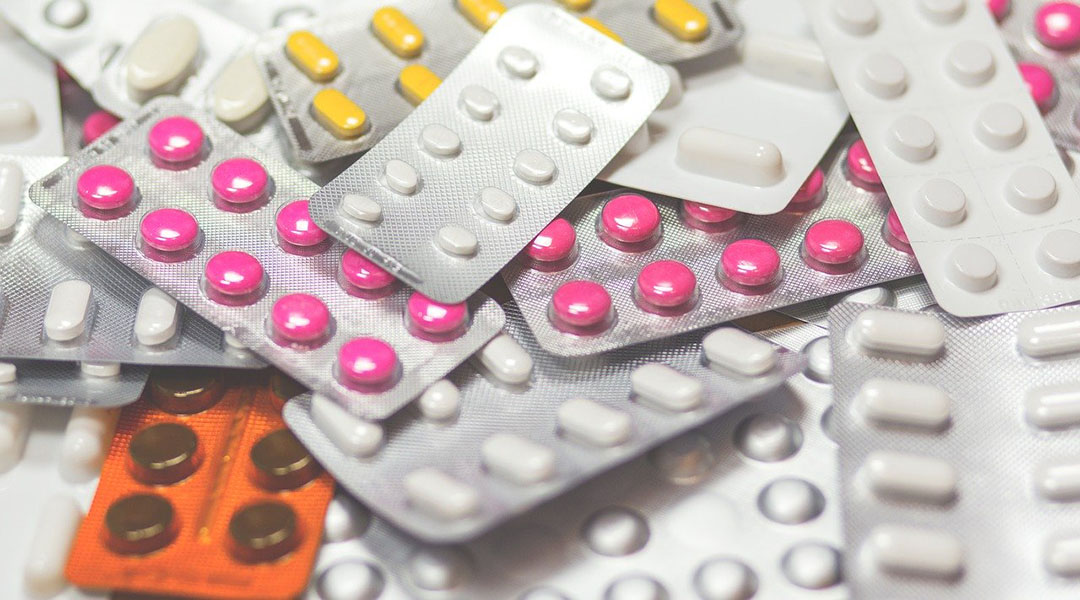
Researchers at UCL and Imperial College London debate whether the British pharmaceutical industry, like their healthcare industry, should be nationalized.
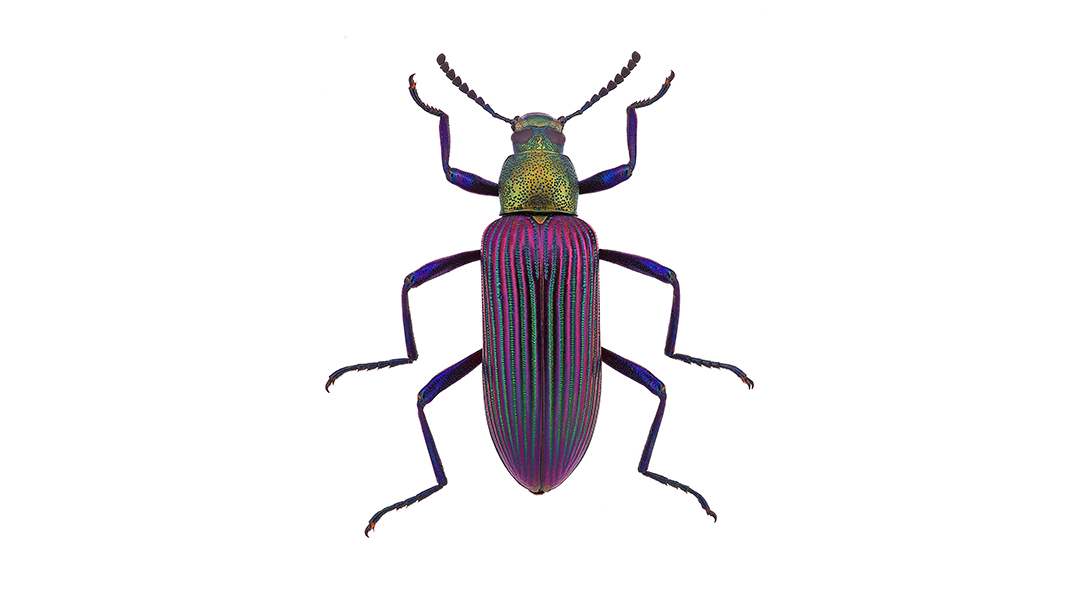
Researchers at Dartmouth have developed a miniature robotic bug that has a flexible body, is easily maneuverable, and can be completely flattened without damaging its functionality.
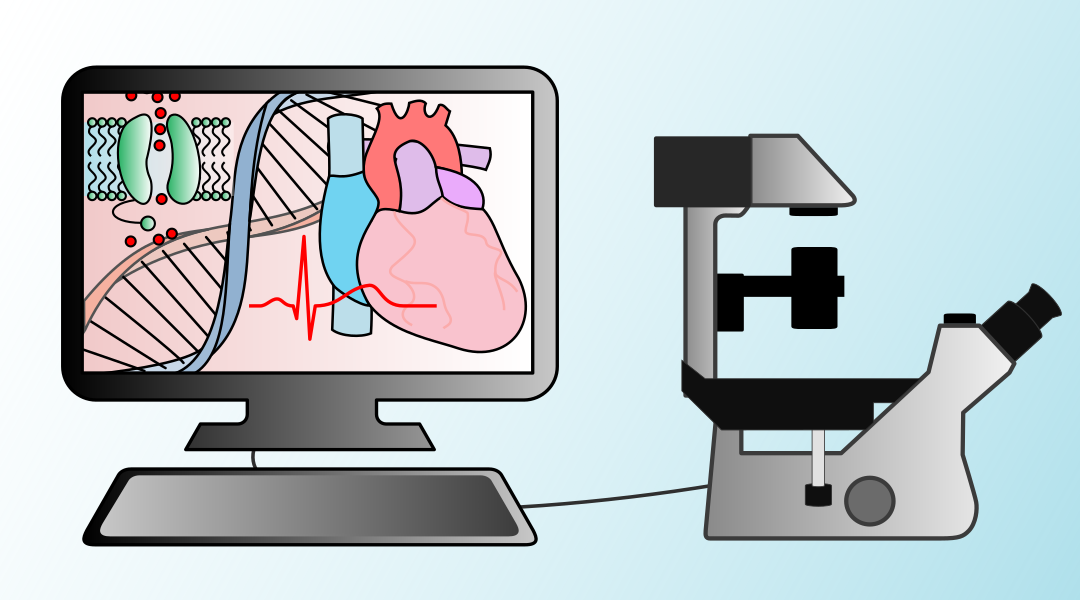
Cardiac models are becoming increasingly accurate as predictive power improves.
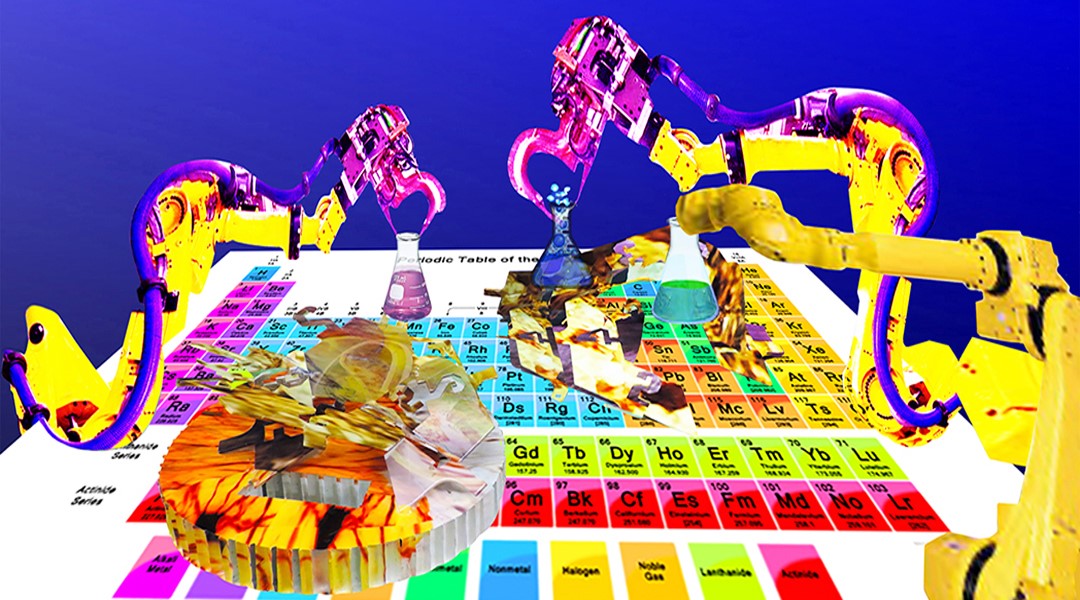
AI is being leveraged to provide machines with the capacity to match or even outperform humans in many endeavors. So what does this mean for the synthetic chemist?

Researchers develop a composite membrane for long-lasting zinc-based flow batteries.
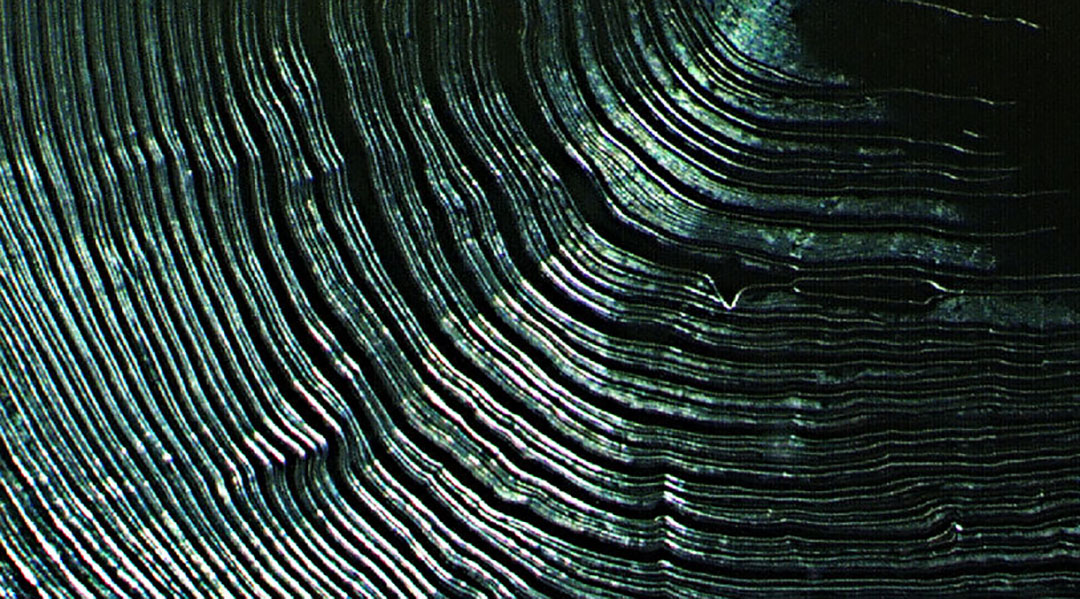
Researchers create new “superglue” with two simple ingredients: plant-based cellulose nanocrystals and water.
 Micron-sized hidden dimensions could solve two of physics’ deepest puzzles
 Turning Periods into Power: Menstrual Blood a Valuable Resource for Medical Diagnostics
 Surfactants Steer Supraparticle Structure
 Bone loss in obesity traced to gut microbiota
 Edible electronics realize safe, complex monitoring devices
 Fermilab Confirms Muon g-2 Measurements