Using sound fields to trap particles and mold matter in complex shapes, scientists are taking 3D printing to the next level.


Using sound fields to trap particles and mold matter in complex shapes, scientists are taking 3D printing to the next level.
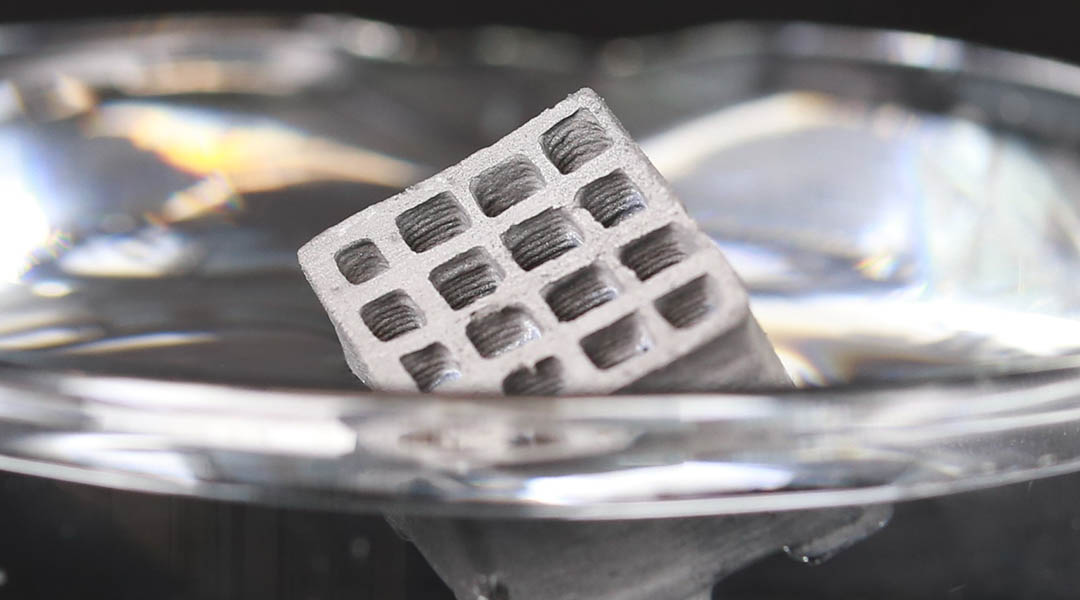
Striking images and innovative science — from a hydrogel chessboard to floating steel and a thyroid-on-a-chip.

Crediting ChatGPT as an author on scientific papers has sparked debate around the role it should play in the scientific literature.
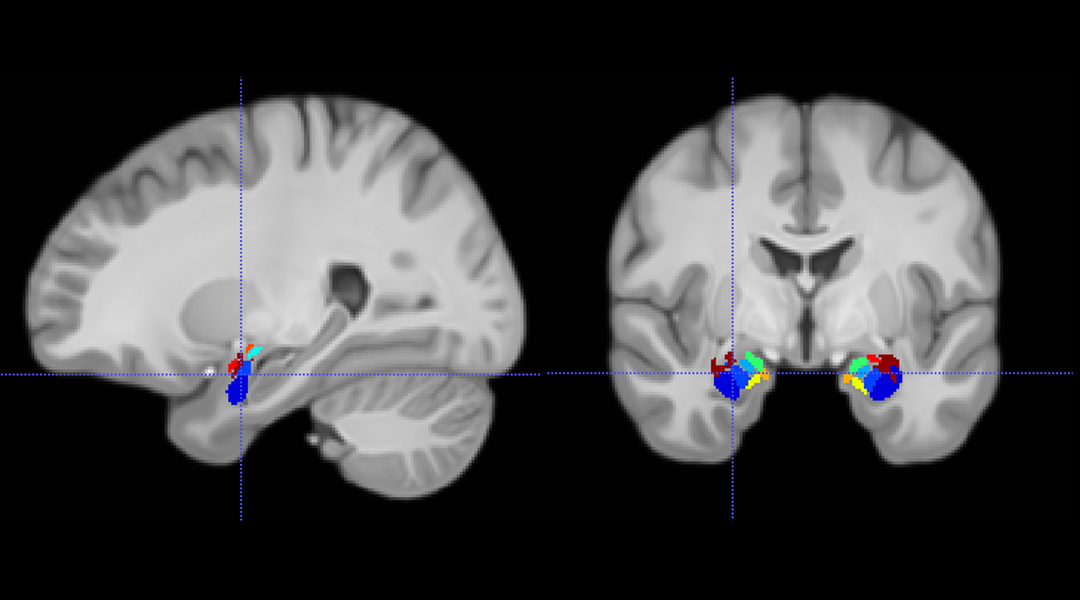
Understanding how our brain regulates emotional memory could help treat disorders such as depression or PTSD.

Cat personality has been linked to hunting behavior, and understanding which breeds are more prone could help minimize impact on wildlife.

Students at Rutgers University have set up a scientific journal that exclusively features undergraduate research papers.

The sulfate-free movement in beauty products has been gaining popularity, but this isn’t based in science, say experts.
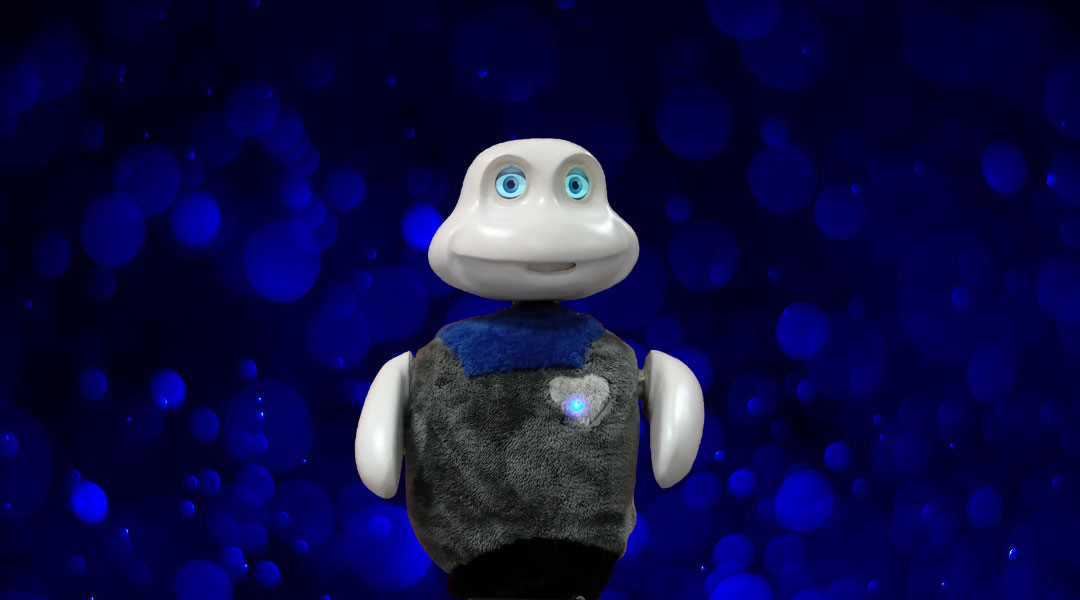
Modeling involuntary aspects of human behavior, such as blinking or even jet lag, might help build trust in robot-human interactions.
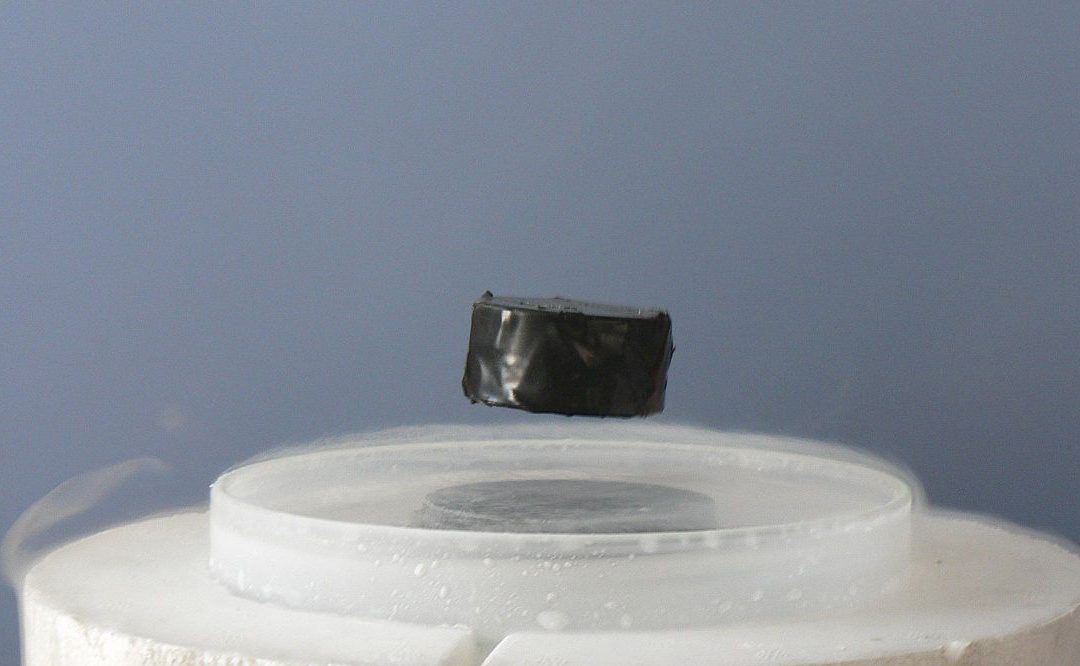
Understanding room temperature superconductivity one step closer thanks to researchers looking at the effects of pressure.
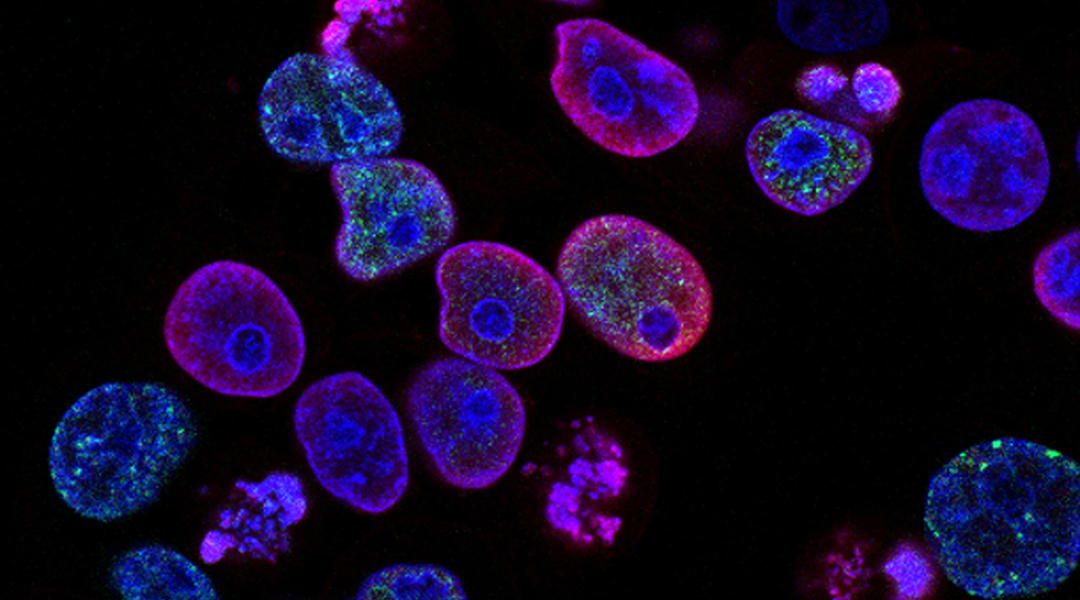
Some tumor cells were found to survive a bout of radiotherapy, eluding researchers by camouflaging as normal cells.
 New theory suggests gravity is not a fundamental force
 Higgs boson may be driving the Universe’s expansion
 Water-powered gadgets may be on the horizon thanks to new evaporation-based energy device
 Scientists discover a new class of antibiotics
 Micron-sized hidden dimensions could solve two of physics’ deepest puzzles
 A new type of dark matter could explain mysterious radiation from the Milky Way’s core