In their review in BioEssays, Huilin Li and Michael O’Donnell discuss recent findings about the structure and function of the eukaryotic CMG helicase.
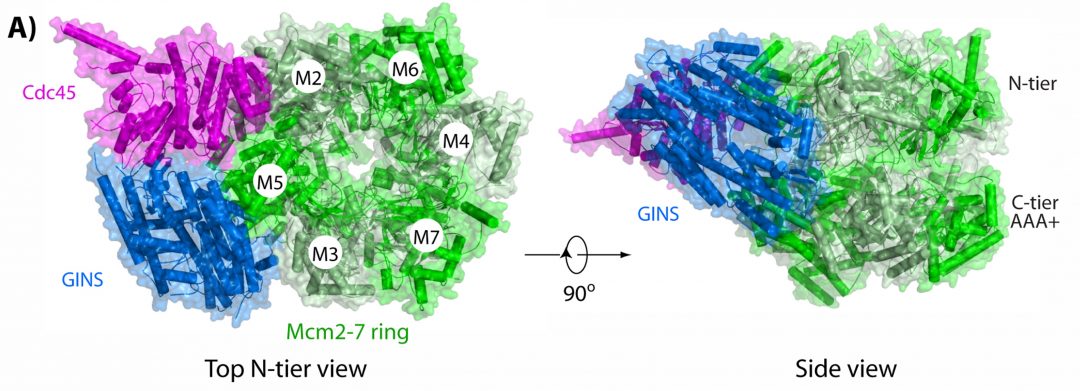

In their review in BioEssays, Huilin Li and Michael O’Donnell discuss recent findings about the structure and function of the eukaryotic CMG helicase.
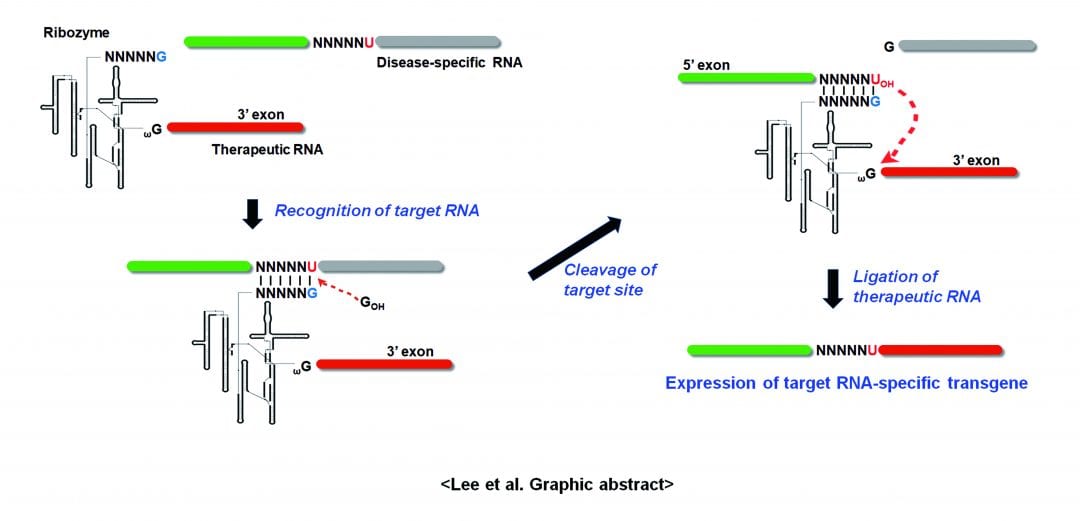
Group I intron-based trans-splicing ribozyme specifically recognizes disease-specific RNA, removes the sequence downstream of the target site, and replaces it with a 3’-exon encoding a therapeutic/reporter RNA sequence, inducing therapeutic/reporter activity selectively in the target RNA-expressing cells.
There are several striking and problematic features of typical climate imagery from the perspective of engaging with wider audiences. Most notably, there is an absence of human stories – those that show ordinary and relatable humans engaging with the issue of climate change.
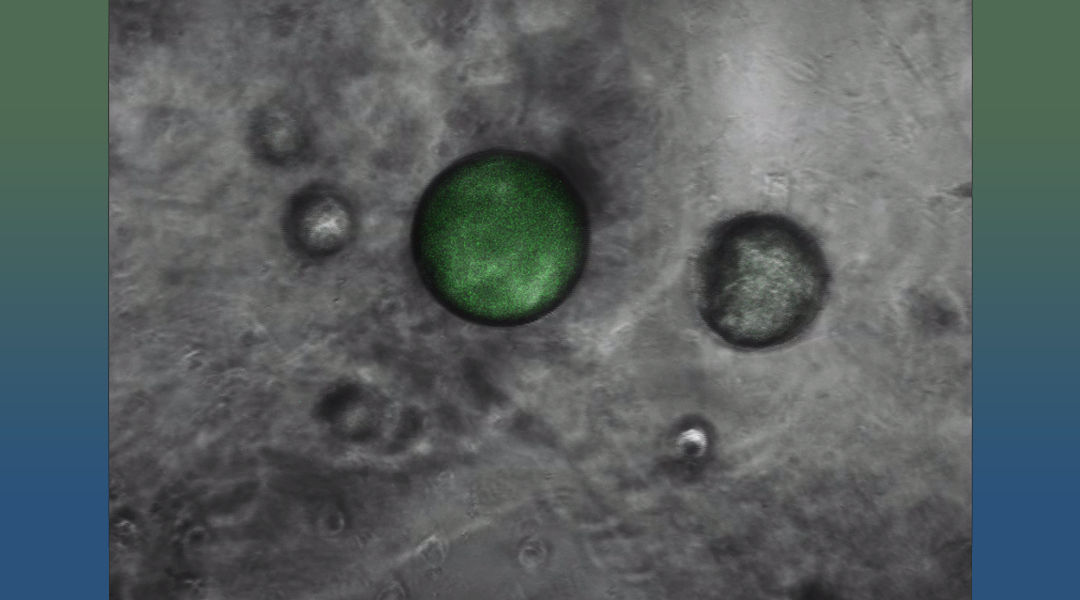
Synthetic cells that function as autonomous systems for producing an anti-cancer protein inside the body are developed.
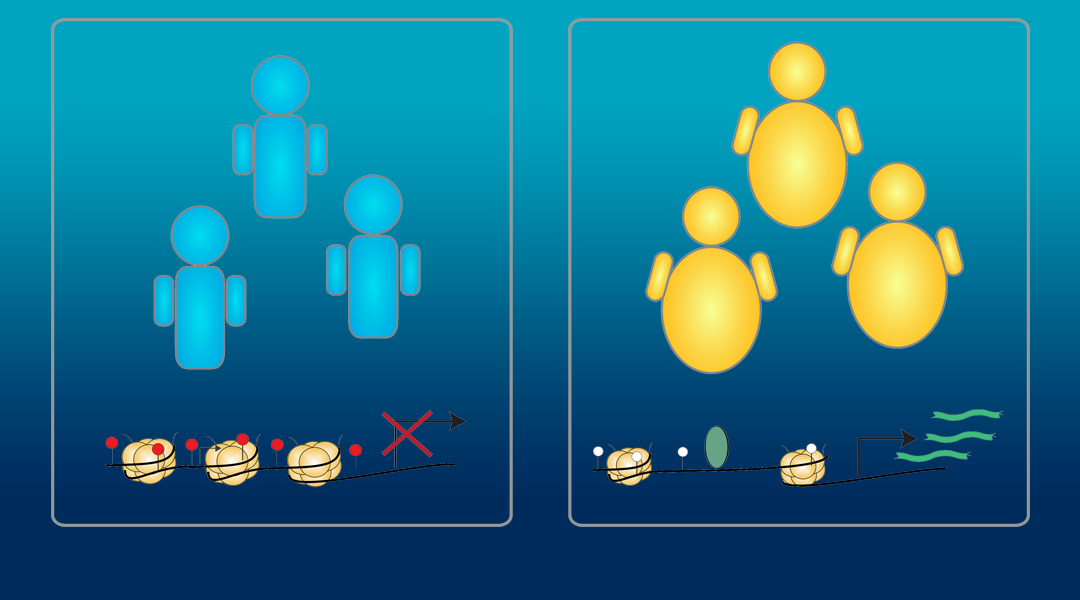
Modifications to chromatin are associated with the development of metabolic diseases, including Type 2 diabetes and obesity. There is evidence that these chromatin modifications can lead to long-term disease risk and increased disease risk for offspring.
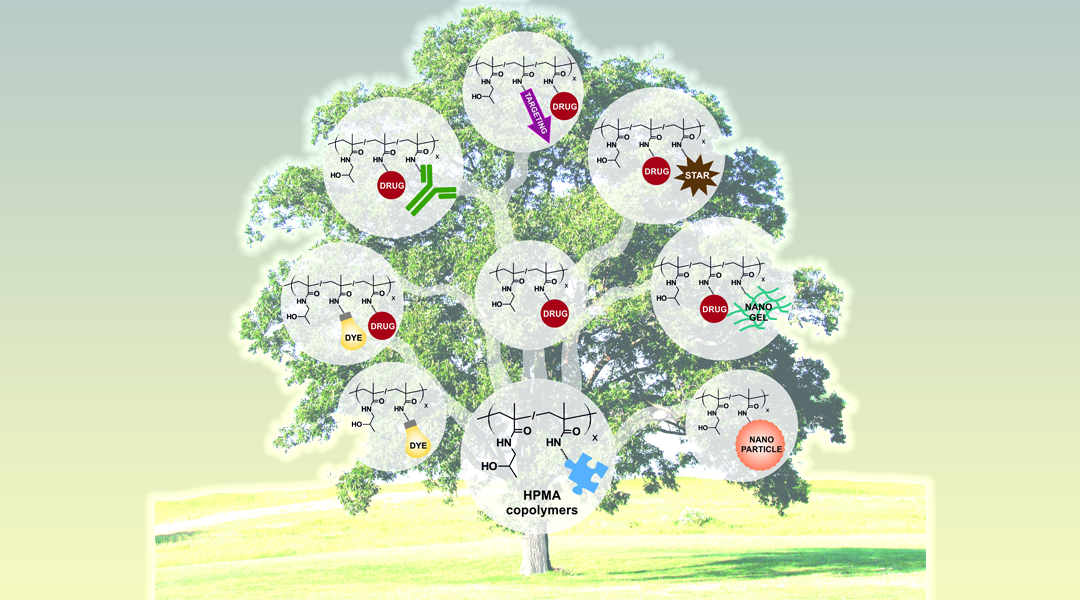
The current special issue in Macromolecular Bioscience is published on the occasion of Professor Karel Ulbrich’s 70th birthday
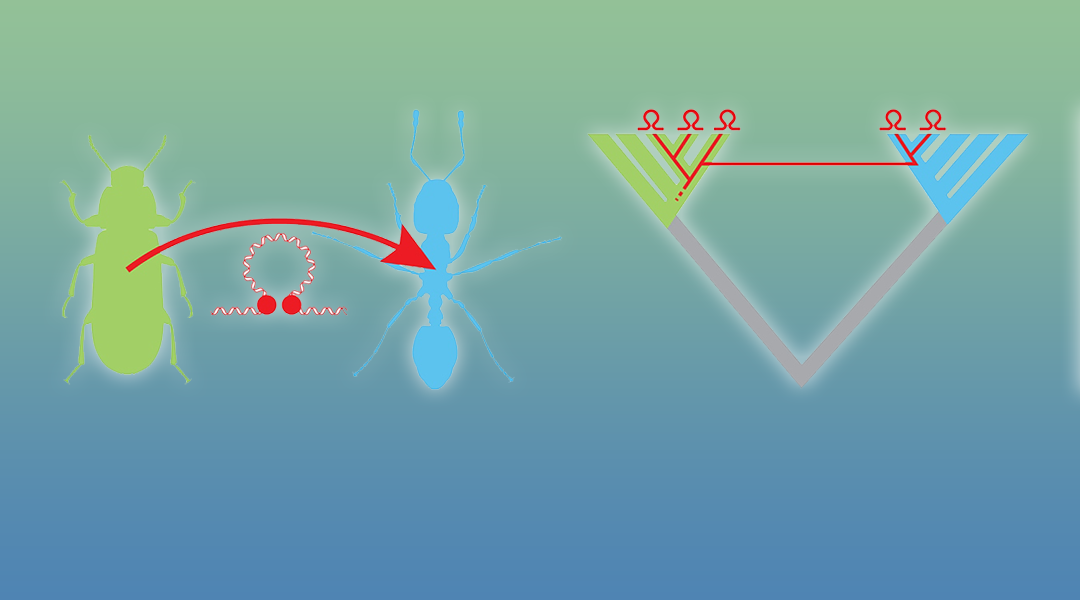
In their review in BioEssays, Jean Peccoud and colleagues discuss the challenges and prospects of analyzing horizontal transfer of transposable elements on a large scale.
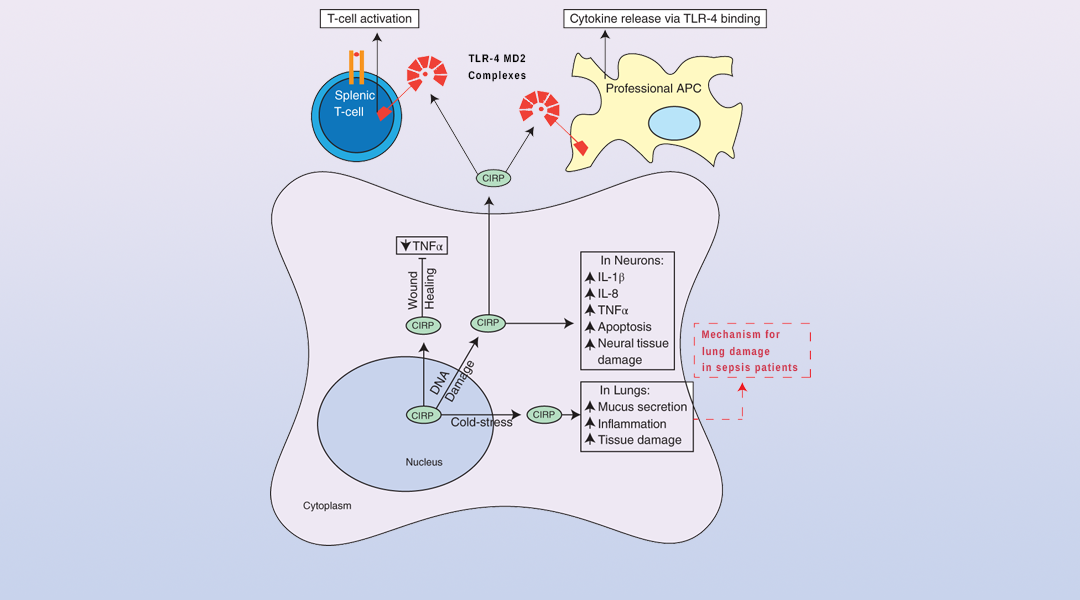
Cold-inducible RNA binding protein (CIRP) in human cancers is reviewed, where it has been implicated in tumor suppression and promotion.
Advanced Healthcare Materials papers you have downloaded and read the most last month.

What is really an antioxidant?
 New theory suggests gravity is not a fundamental force
 Higgs boson may be driving the Universe’s expansion
 Water-powered gadgets may be on the horizon thanks to new evaporation-based energy device
 Scientists discover a new class of antibiotics
 Micron-sized hidden dimensions could solve two of physics’ deepest puzzles
 A new type of dark matter could explain mysterious radiation from the Milky Way’s core