Sensors developed to respond to jaw movement can be connected wirelessly to different devices for hands-free control.


Sensors developed to respond to jaw movement can be connected wirelessly to different devices for hands-free control.
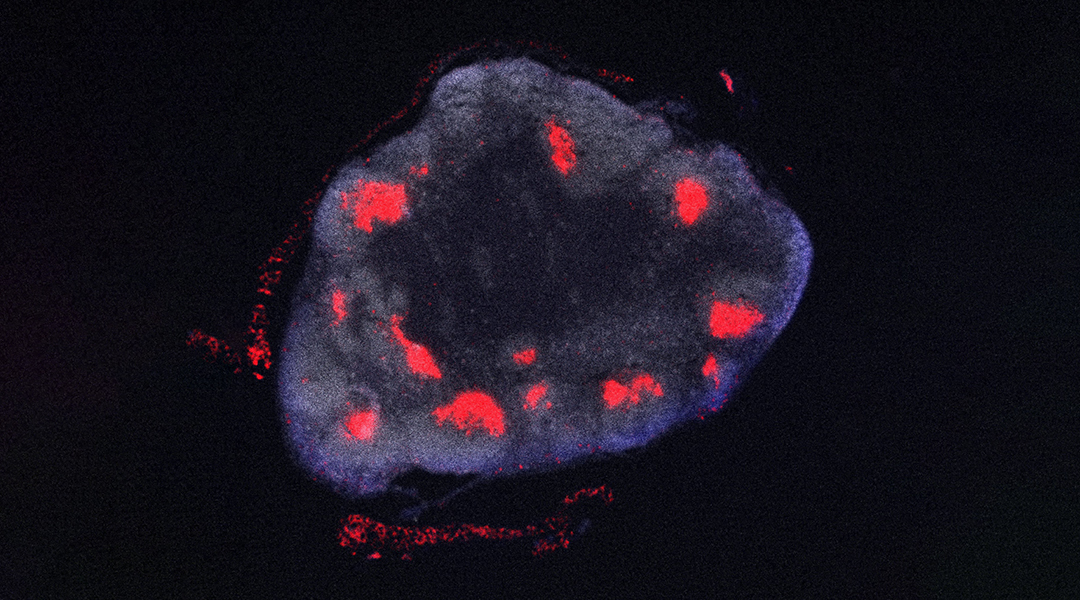
From boosterless vaccine platforms to goopy 2D inks and color-changing crystals, here are some of the most striking images collected from our journals.
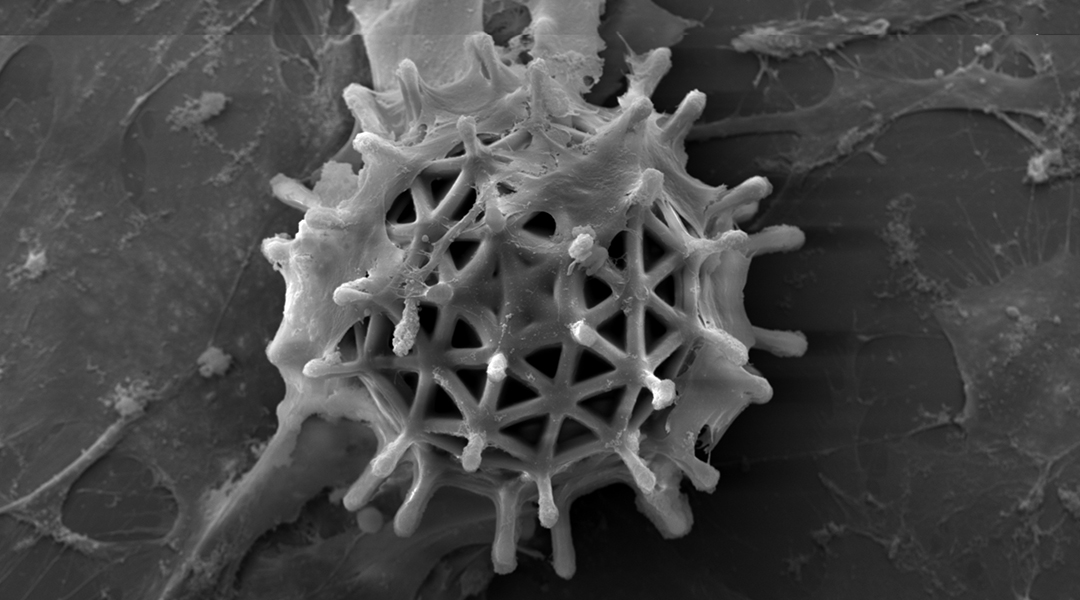
Researchers find the sweet spot between strength and biocompatibility in these tiny cell-carrying microrobots.
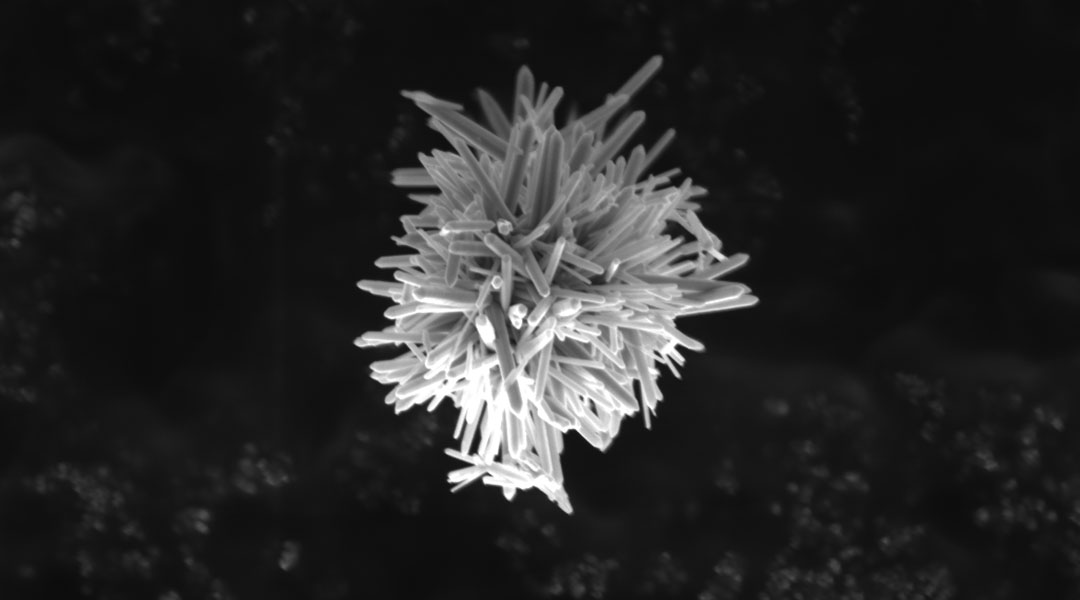
Bacteria-killing micromotors, microscopic patchworks, and DNA fibers decorated with self-made “smileys” — science has never looked better.
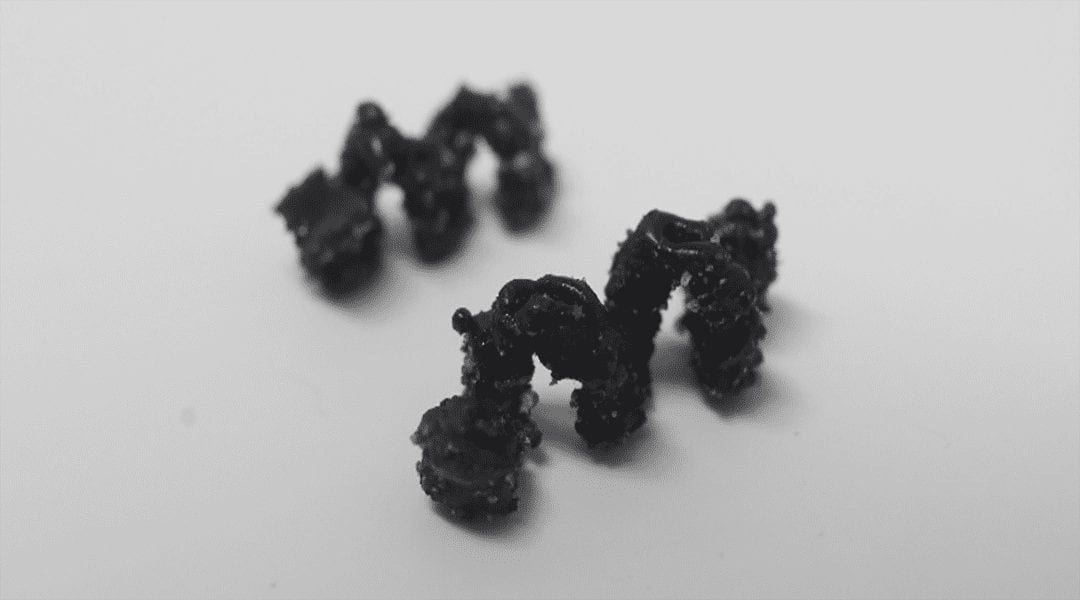
By mixing sugar and magnetic particles, researchers create biodegradable “CANDYBOTS” with potential applications in drug delivery and ingestible devices.

Hybridizing biofabrication processes will lead us to superior “living” tissue and organ substitutes that can be used to treat patients in lieu of donor grafts and metal and plastic devices.
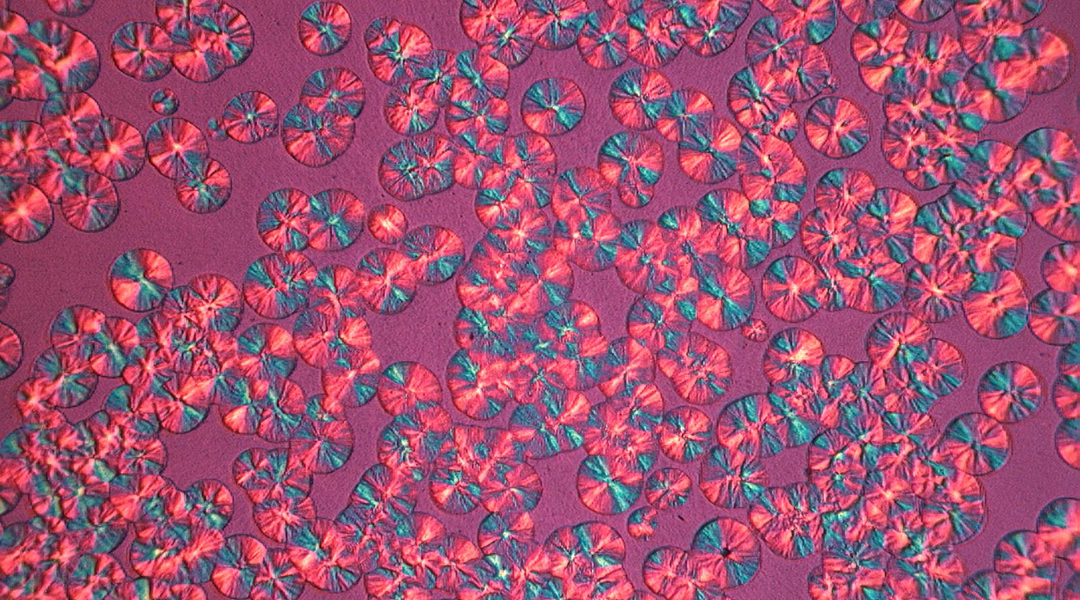
Bringing science to life through spectacular images.
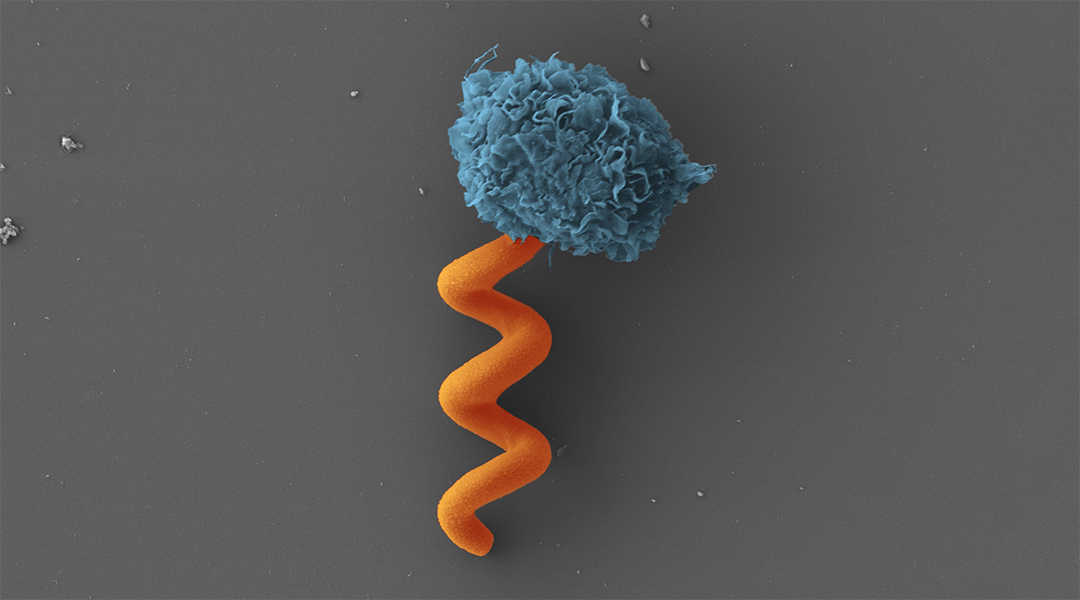
Zwitterionic polymers allow researchers to fabricate drug-carrying microrobots that can operate covertly under the immune system’s radar.
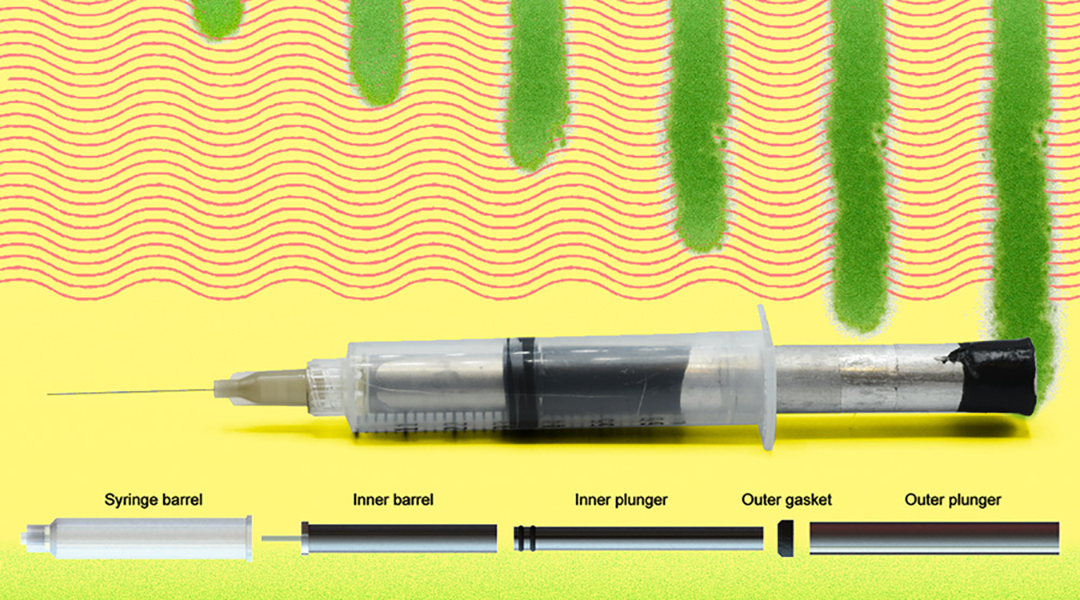
Researchers have designed a simple, low-cost device for subcutaneous injection of viscous formulations.
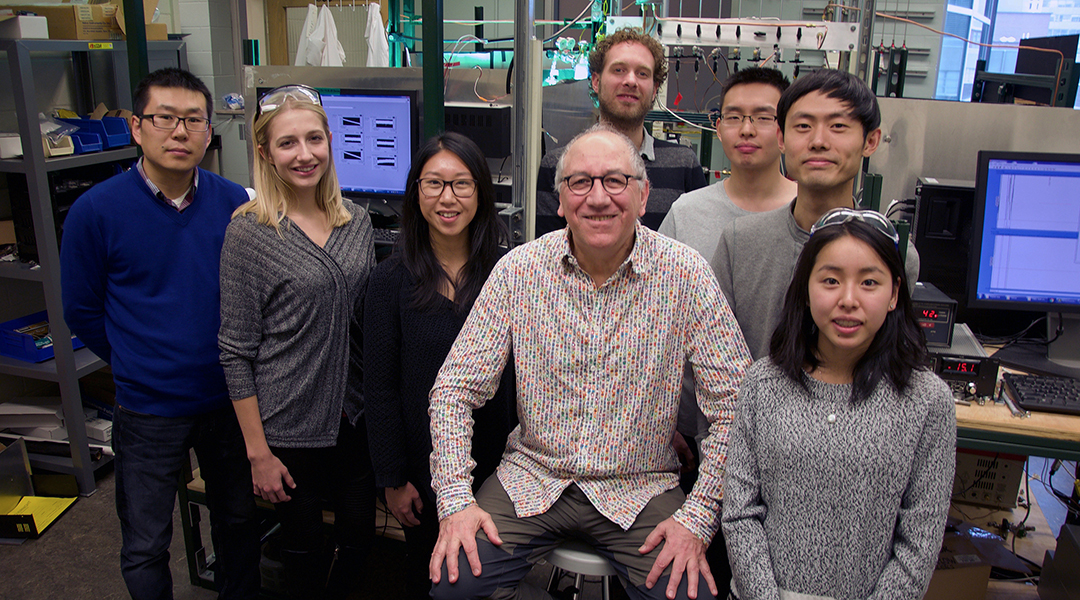
To celebrate his upcoming 77th birthday, we reached out to nanochemist and long-time ASN contributor, Geoffery Ozin, to discuss his colorful career, current projects, and plans for the future.

 Micron-sized hidden dimensions could solve two of physics’ deepest puzzles
 Turning Periods into Power: Menstrual Blood a Valuable Resource for Medical Diagnostics
 Surfactants Steer Supraparticle Structure
 Bone loss in obesity traced to gut microbiota
 Edible electronics realize safe, complex monitoring devices
 Fermilab Confirms Muon g-2 Measurements