A new fabrication method allows researchers to create ultra-thin OLED materials that can be applied to the skin using temporary tattoo paper.
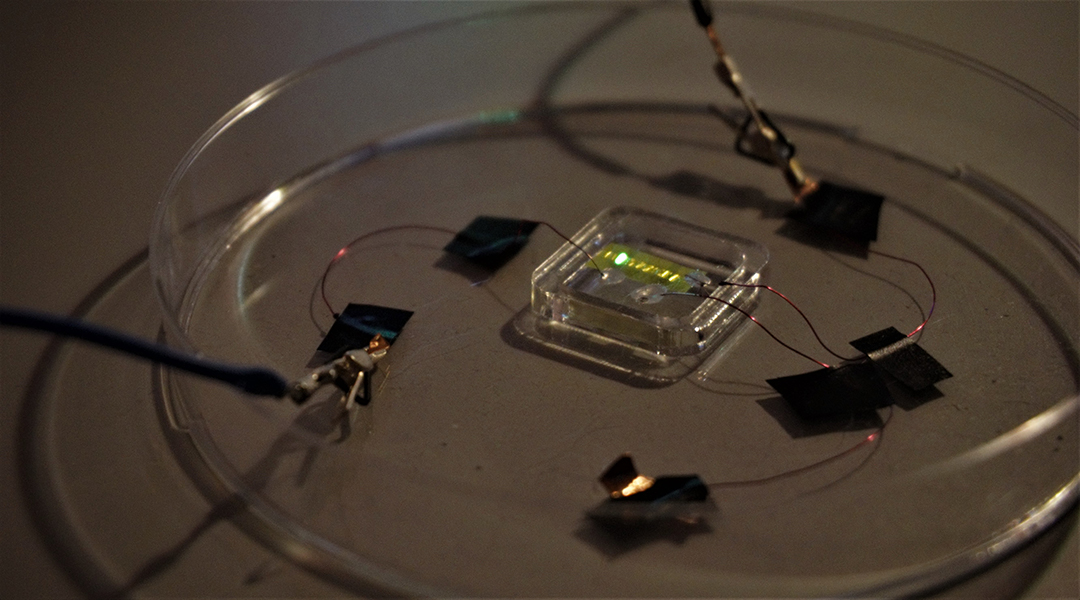

A new fabrication method allows researchers to create ultra-thin OLED materials that can be applied to the skin using temporary tattoo paper.
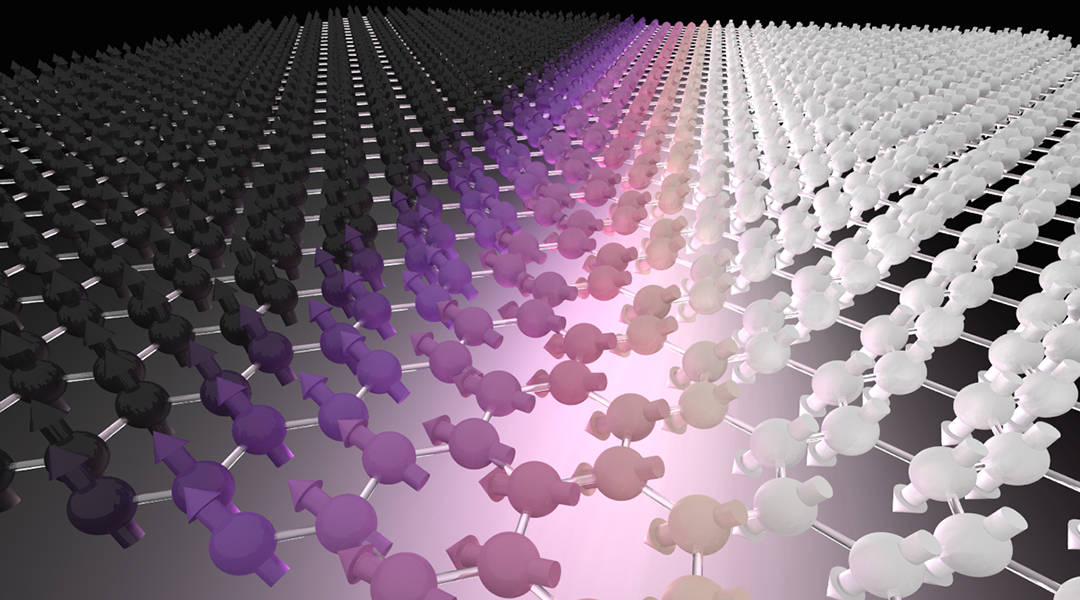
Using theoretical and experimental analysis, researchers aim to better understand the novel and intriguing magnetic properties of 2D materials for the next generation of information technologies.
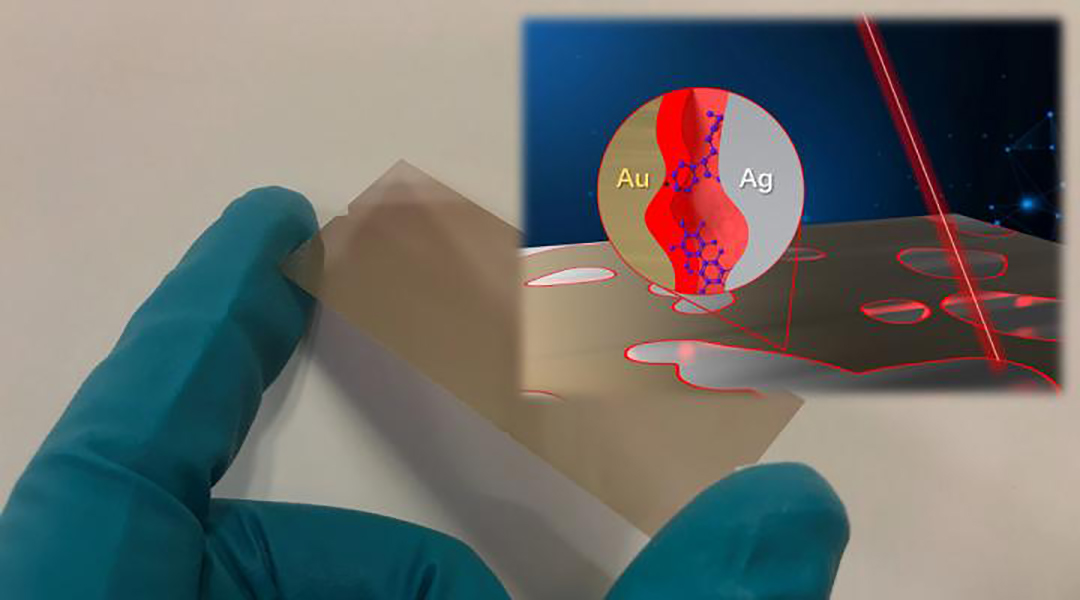
Study shows improvements to chemical sensing chip that aims to quickly and accurately identify drugs and other trace chemicals.

The process of detecting gamma rays causes serious damage to those detectors. Researchers have developed a large, self-healing crystal that might help to solve this problem.
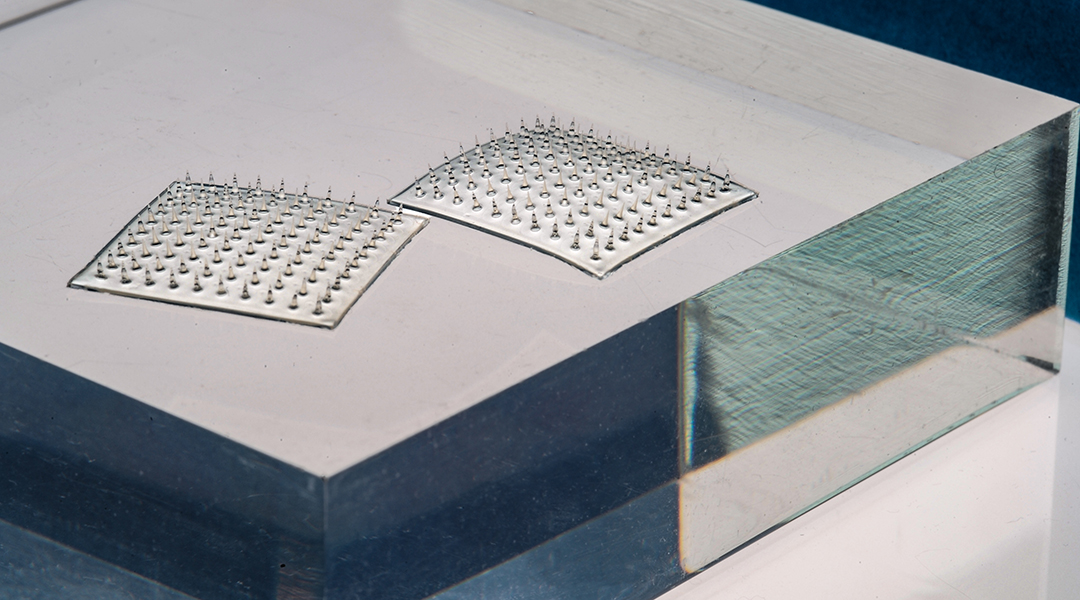
Food-safe microneedles incorporated into a new smart label can effectively collect samples from packaged food and inform consumers about its quality in real time.

Scientists design a stretchable, adhesive, self-healing material that can change color as a result of movement for real-time motion sensors.
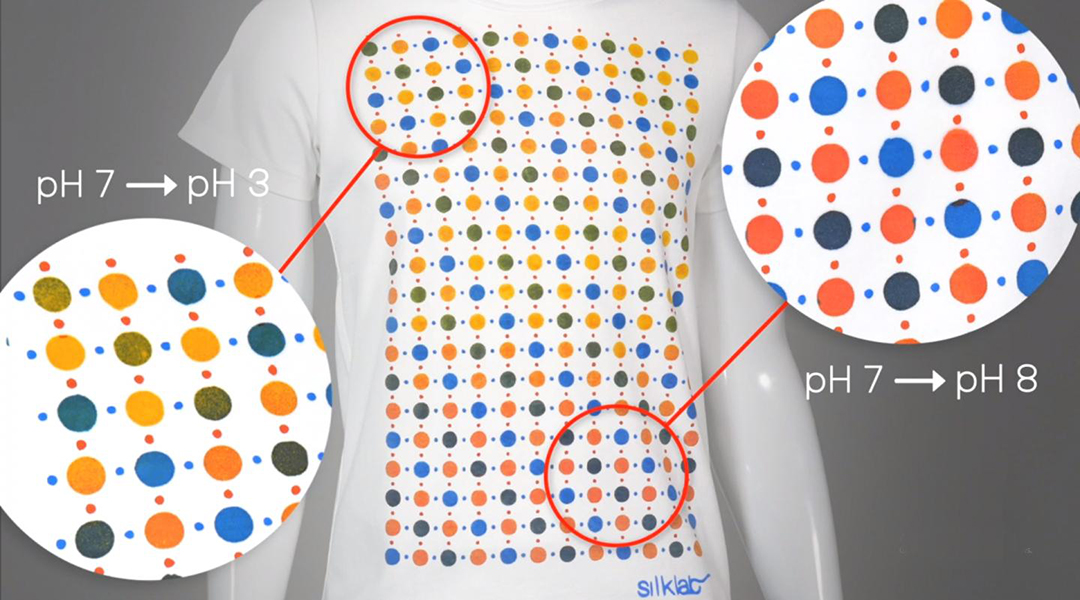
Bioactive inks printed on wearable textiles can map conditions over the entire surface of the body, including possible pathogens.
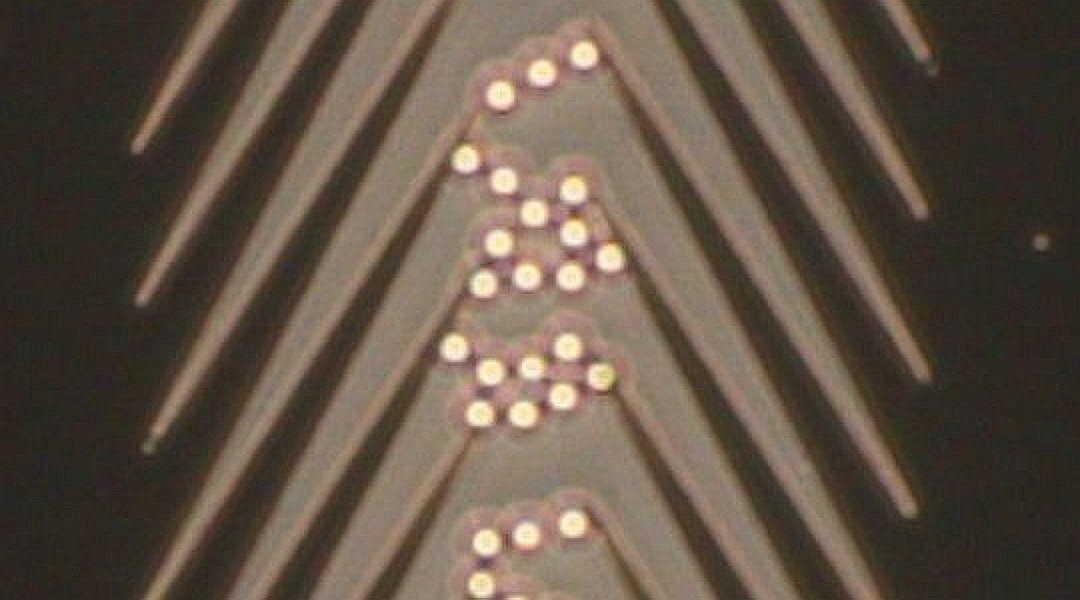
Using an asymmetric sawtooth-shaped potential, researchers achieve transport of tiny molecules driven by particle crowding.

Scientists have developed a method for precise, fast, and high-quality laser processing of halide perovskites, promising light-emitting materials for solar energy, optical electronics, and metamaterials.
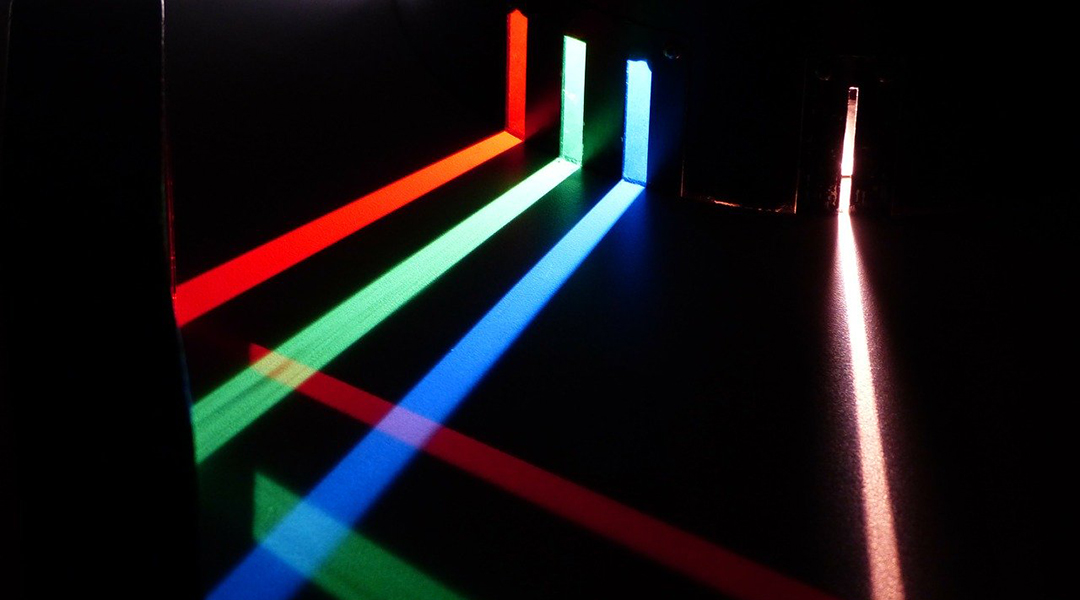
Near-infrared sensors and displays developed based on the maximized efficiency of optical wavelength conversion.

 Micron-sized hidden dimensions could solve two of physics’ deepest puzzles
 Turning Periods into Power: Menstrual Blood a Valuable Resource for Medical Diagnostics
 Surfactants Steer Supraparticle Structure
 Bone loss in obesity traced to gut microbiota
 Edible electronics realize safe, complex monitoring devices
 Fermilab Confirms Muon g-2 Measurements