Hot electron injection within hybrid metal–transition metal dichalcogenides systems is analyzed and offers new physical insights into enhancement of optoelectronic activity with nanoantennas.


Hot electron injection within hybrid metal–transition metal dichalcogenides systems is analyzed and offers new physical insights into enhancement of optoelectronic activity with nanoantennas.
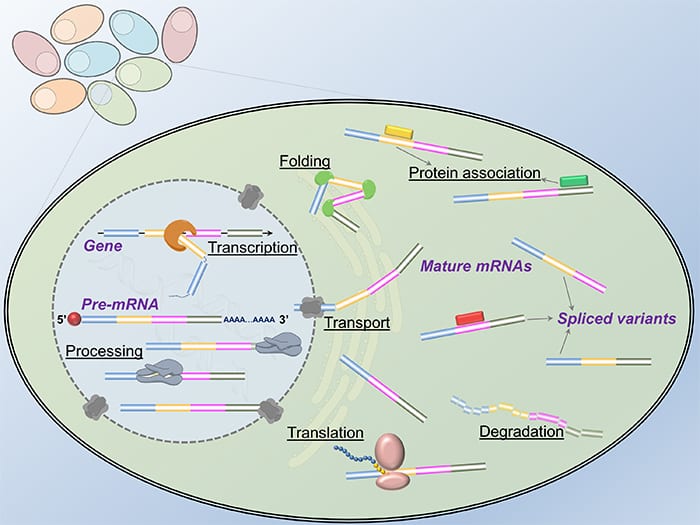
Single-cell RNA analysis is now possible through innovative platforms combining state-of-the-art microscopy methods with various contrast-generating nanomaterials
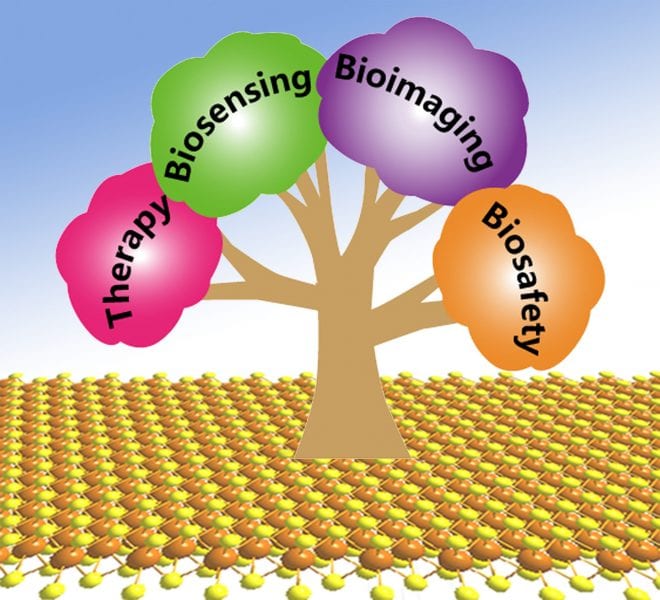
The majority of the developed bio-systems based on 2D transition metal dichalcogenides are reviewed in Small.
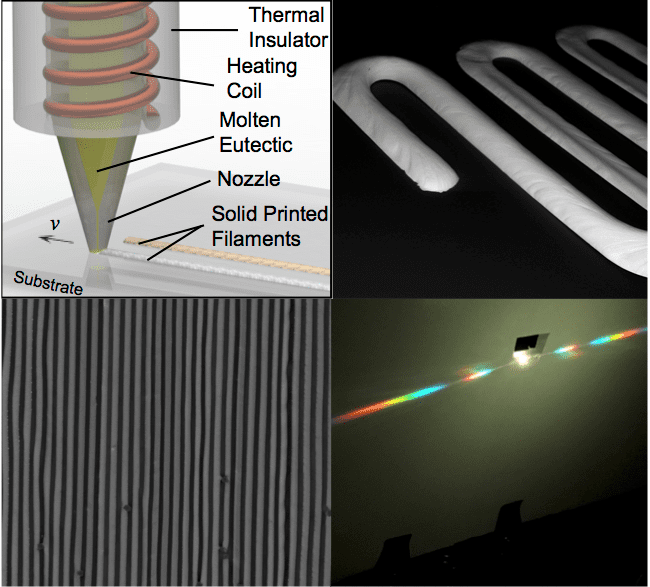
Jennifer Lewis and colleagues report a new process for creating mesoscale eutectic architectures, known as high operating temperature direct ink writing (HOT‐DIW).
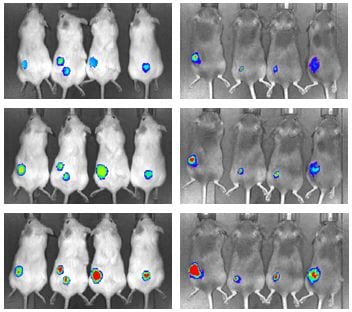
Silver nanoparticles are a more effective cancer treatment in immune competent mice.
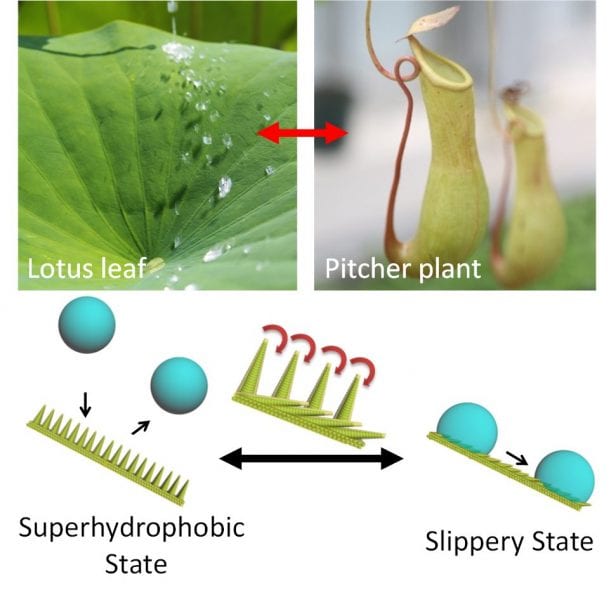
Researchers from Pennsylvania State University, USA, have now revealed a magnetically transformable surface that can reversibly switch between the lotus and the pitcher plant modes

An uniaxial press can assemble monodisperse silica spheres to photonic glasses that exhibit finely tunable Mie scattering.

Salvador Pané and colleagues demonstrate core–shell magnetoelectric nanowires that can be triggered using different magnetic fields for targeted drug delivery to kill cancer cells.
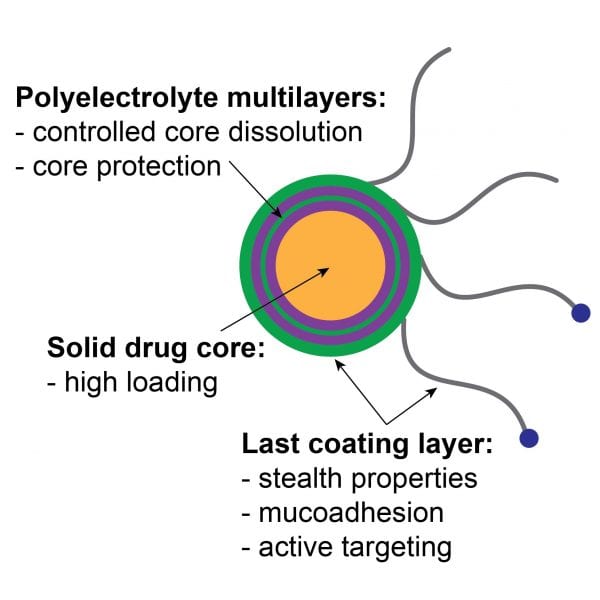
A recent review highlights and discusses the layer-by-layer encapsulation of solid drug particles.

Shuit-Tong Lee and Lifeng Chi have guest edited an issue of Advanced Materials, which provides an insight into the nanoscience research going on in and around Suzhou.

 Micron-sized hidden dimensions could solve two of physics’ deepest puzzles
 Turning Periods into Power: Menstrual Blood a Valuable Resource for Medical Diagnostics
 Surfactants Steer Supraparticle Structure
 Bone loss in obesity traced to gut microbiota
 Edible electronics realize safe, complex monitoring devices
 Quantum Anomalies in Condensed Matter: From Theoretical Peculiarities to Tangible Science