A new biomimetic strategy provides a platform for the synthesis of ligand-targeted nanovesicles that can mediate selective drug delivery to specific tissues.


A new biomimetic strategy provides a platform for the synthesis of ligand-targeted nanovesicles that can mediate selective drug delivery to specific tissues.
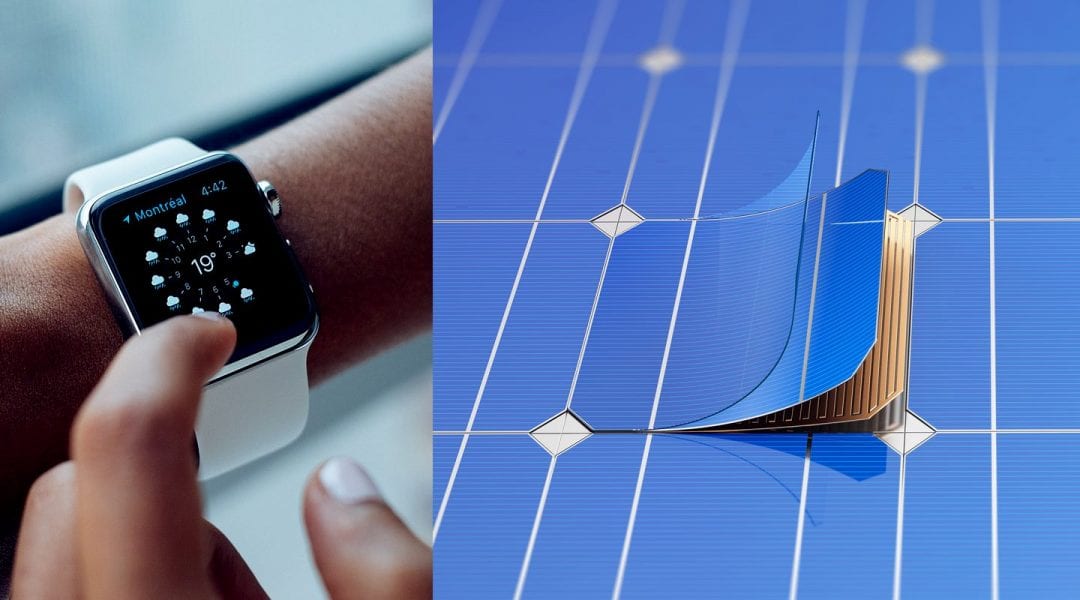
Significant implications of and recent progress made in iCVD-based technologies in three fields: electronic devices, surface engineering, and biomedical applications are discussed.
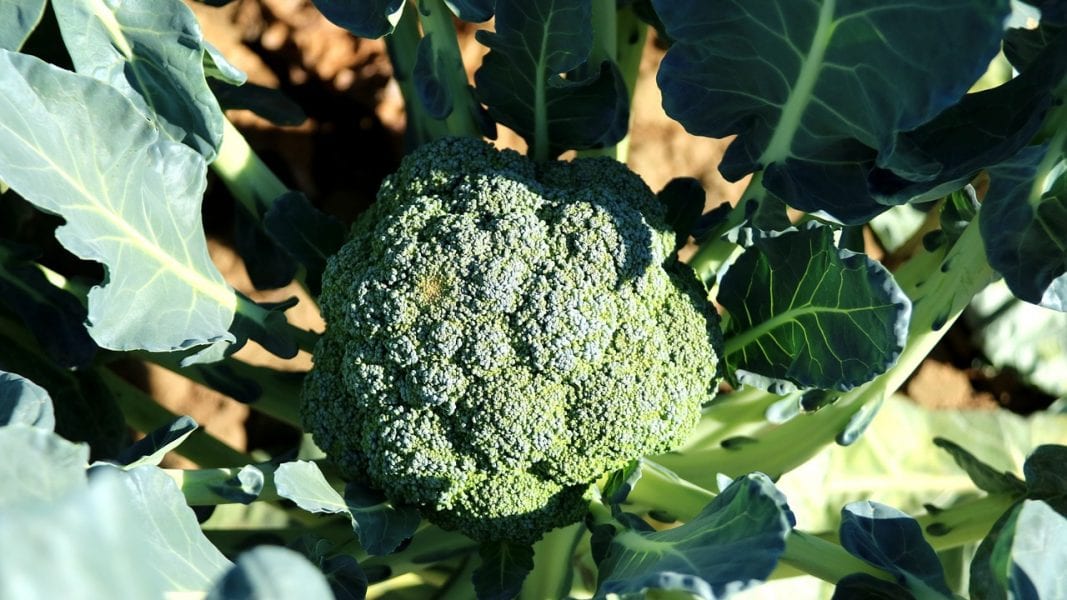
Researchers from France develop a new UV responsive polymer from broccoli seed oil.
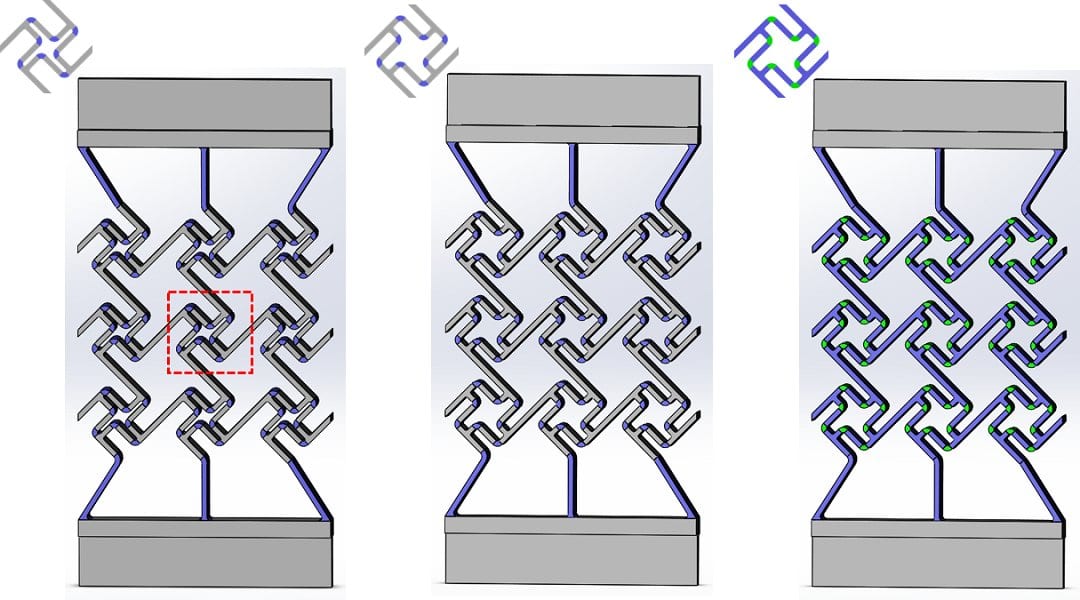
New designs were fabricated via multimaterial 3D printing and potential applications of sequential particle release mechanisms were systematically explored.
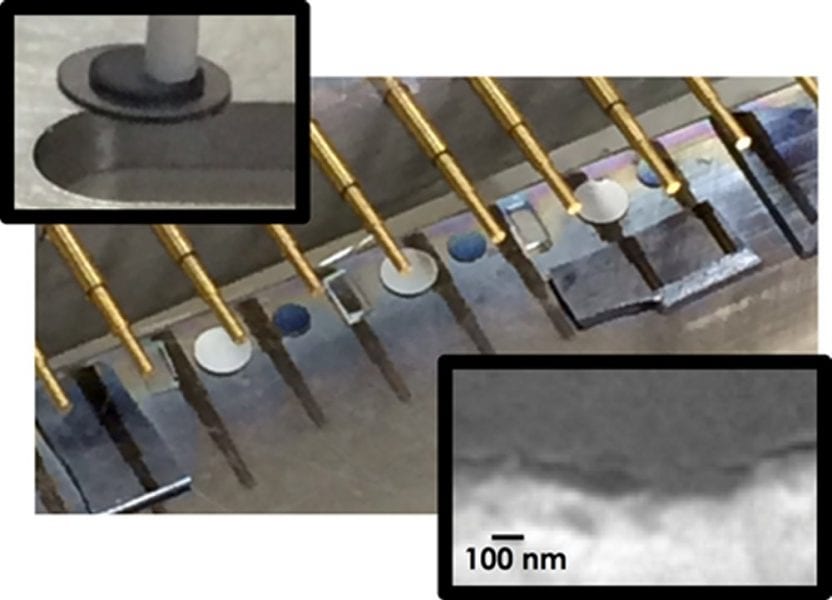
A simplified iCVD coater is developed that can be installed at low cost in most labs, and further use it to engineer submicron bond gaps in materials with common non-ideal features like curvature, roughness, and burrs.
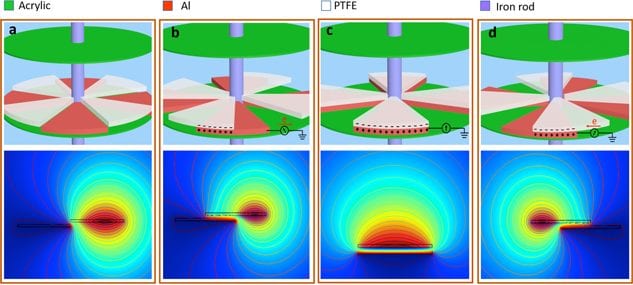
Two triboelectric nanogenerators with different configurations were designed and hybridized with Faraday electromagnetic induction generator to generate electricity, which can convert the kinetic energy from wind and flowing water and the electrostatic energy in water into electrical energy.
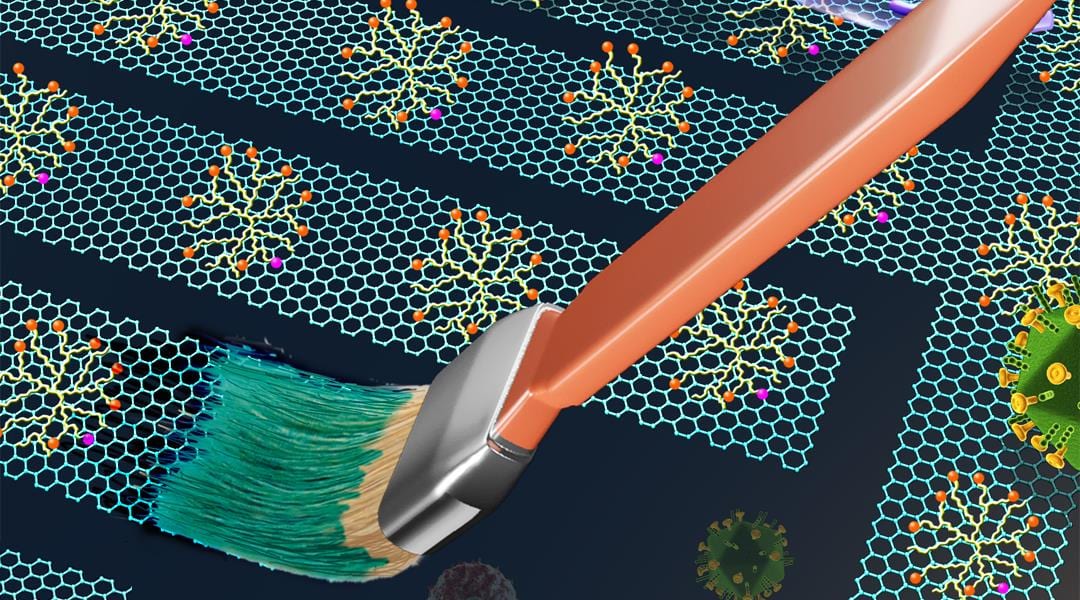
Flexible graphene nano-inks with an excellent bioactivity pave the way for next generation biomedical applications.
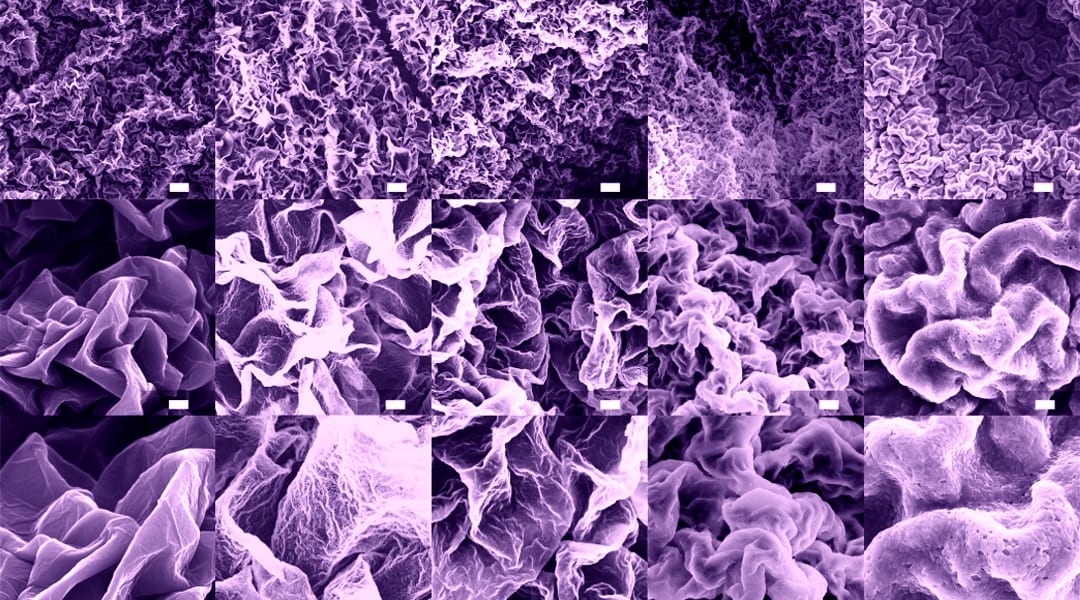
Metallized graphene inks open new directions in film patterning since dense ceramic films with the micro- and macrostructure of a graphene host were produced for the first time in Brown University
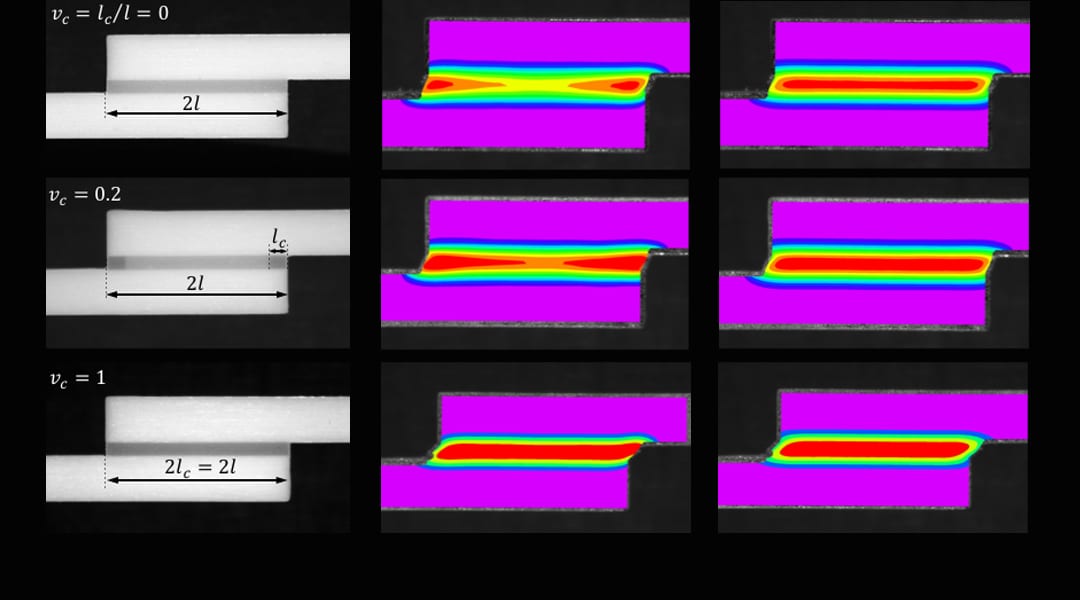
By crafting a spatially compliance-tailored bondlayer utilizing additive manufacturing, mechanical performance can be increased significantly, imparting greater strength, strain to break, and toughness, while maintaining stiffness of the homogeneous stiff bondlayer.

A nanocomposite possessing high NIR-transparency is developed, and shown to be applicable for NIR photography, security, and forensic-related applications.
 New theory suggests gravity is not a fundamental force
 Higgs boson may be driving the Universe’s expansion
 Water-powered gadgets may be on the horizon thanks to new evaporation-based energy device
 Scientists discover a new class of antibiotics
 Micron-sized hidden dimensions could solve two of physics’ deepest puzzles
 A new type of dark matter could explain mysterious radiation from the Milky Way’s core