Prototype device electronically replicates the way human skin senses pain.
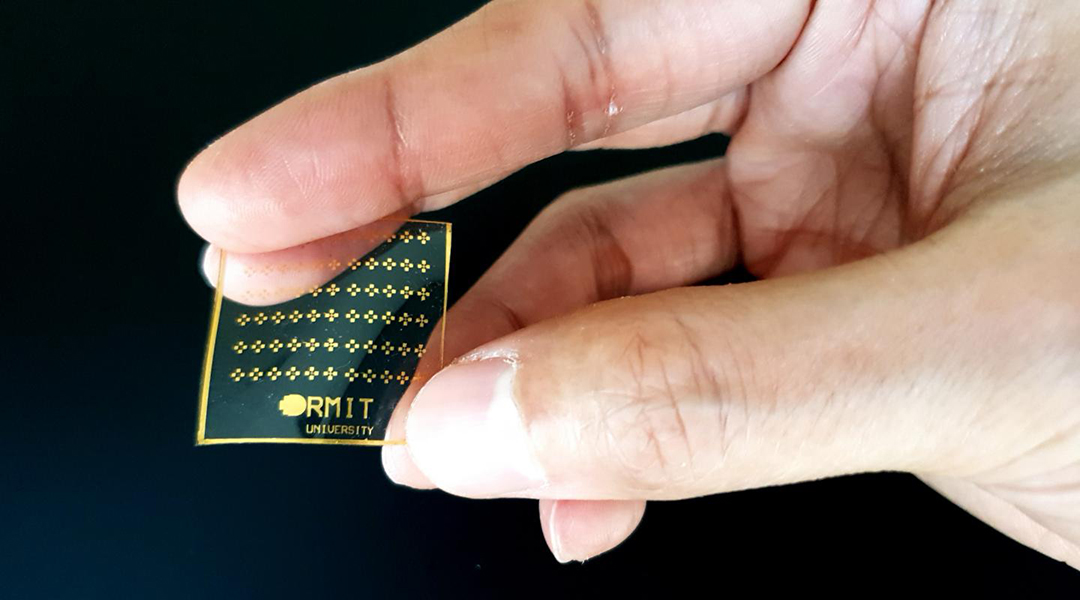

Prototype device electronically replicates the way human skin senses pain.

A new machine vision system can adapt to its surroundings and paves the way for in-situ neuromorphic recognition tasks.

A reality-rooted perspective on “explainable AI” and what this means for the future of the field.
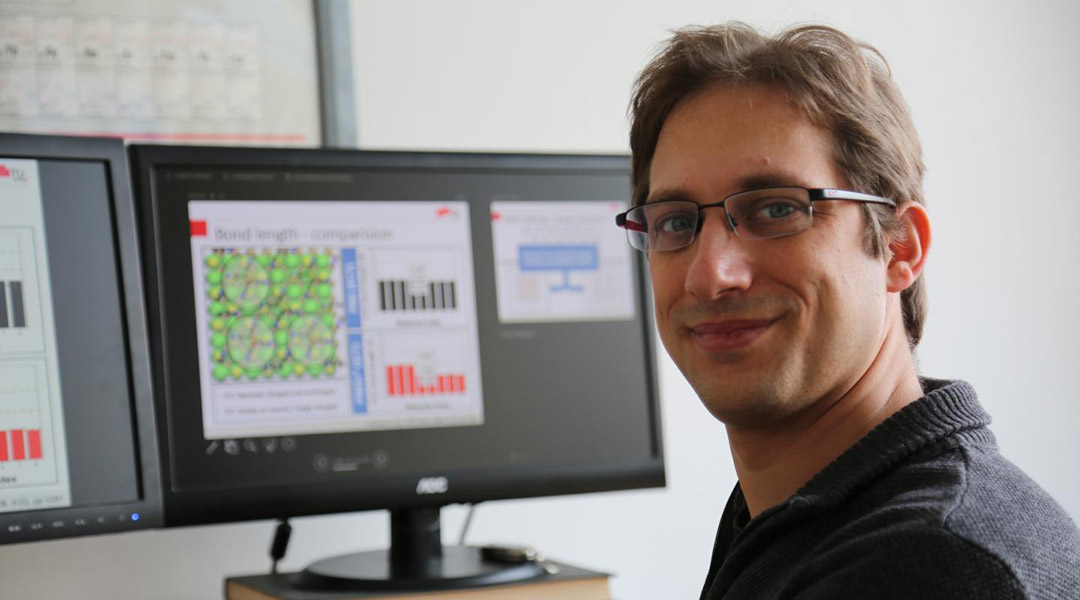
Simulations at Graz University of Technology refute earlier theories on long-range charge transfer between organic and inorganic materials.

An AI-based process recommender system for injection molding allows non-experts to set process conditions in real time.
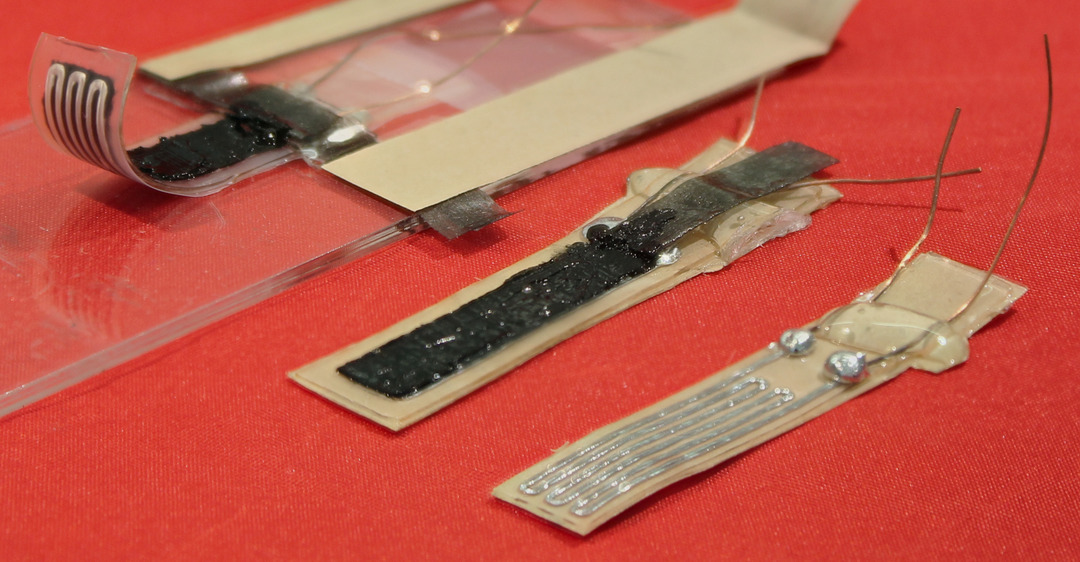
A new layer-by-layer fabrication process allows researchers to create new and improved soft robot actuators with variable degrees of stiffness.

Bursting dynamics that mimic the functions of the human brain pave the way for more efficient AI systems.

Researchers develop microrobots that can sense their external environments and adapt their motion, similar to living organisms.
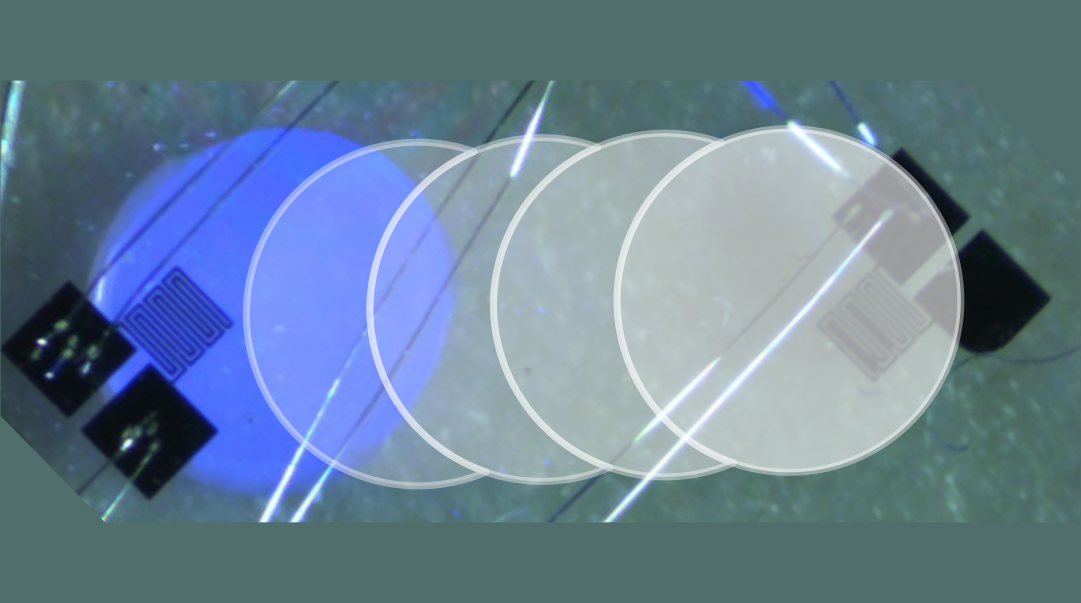
A new and simple working principle for liquid manipulation and a complete exploration of the opportunities of a multipurpose platform guided by physical intelligence.
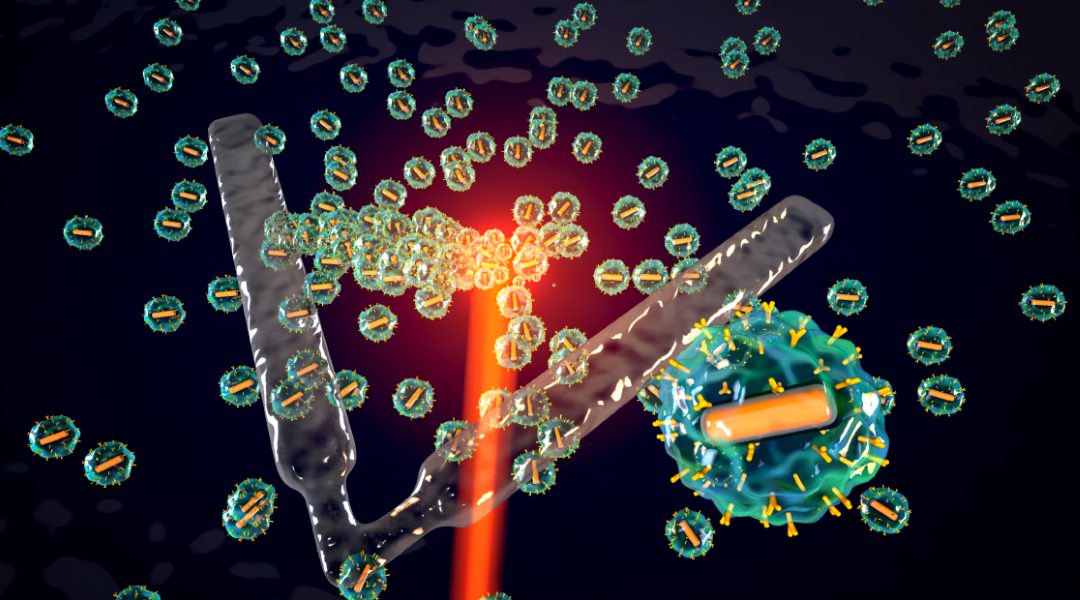
A new soft microrobot harnesses electromagnetic and thermal energy at the nanoscale to self-assemble from colloidal nanomachines.
 Micron-sized hidden dimensions could solve two of physics’ deepest puzzles
 Turning Periods into Power: Menstrual Blood a Valuable Resource for Medical Diagnostics
 Surfactants Steer Supraparticle Structure
 Bone loss in obesity traced to gut microbiota
 Edible electronics realize safe, complex monitoring devices
 Fermilab Confirms Muon g-2 Measurements