A new technology developed at MIT may help to make biomarker detection, and cancer diagnostics, much easier.
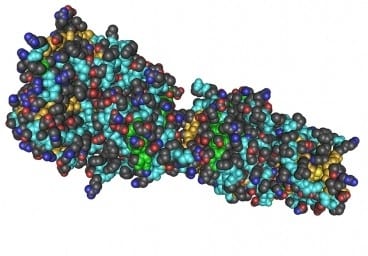

A new technology developed at MIT may help to make biomarker detection, and cancer diagnostics, much easier.
A nanopatterned glass plate with could be a simple way to capture and study the tumor cells that carry cancer around the body through the bloodstream.
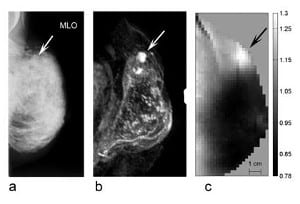
Alexander Poellinger from Charité in Berline researchers the potential of near-infrared imaging using optical contrast agents for diagnosing breast cancer.
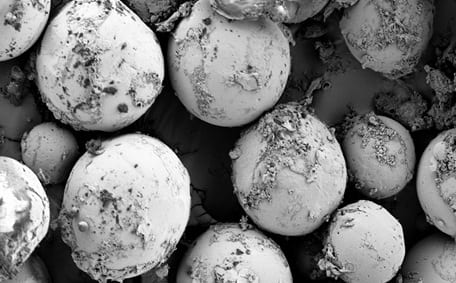
Scientists use micorencapsulated polymer nanoparticles to deliver the colon cancer drug 5-fluorouracil through the digestive system.
Research team in the US have reported promising findings on the potential for nanotechnology to deliver chemotherapeutic agents.
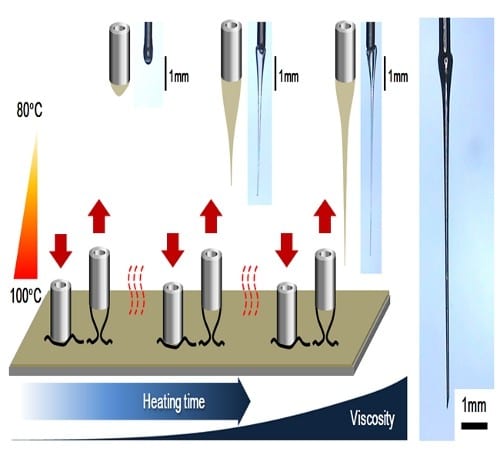
Reverse drawing lithography has allowed researchers to fabricate a less invasive needle system designed to deliver drugs to the back of the eye.
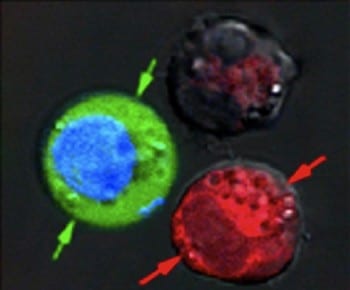
Researchers at Rice University have found a way to kill some diseased cells and treat others in the same sample at the same time.
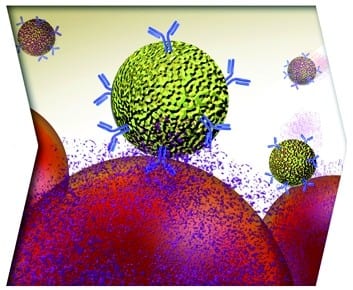
Silicon nanoparticles functionalised with antibodies have been shown to efficiently kill cancer cells in vitro.
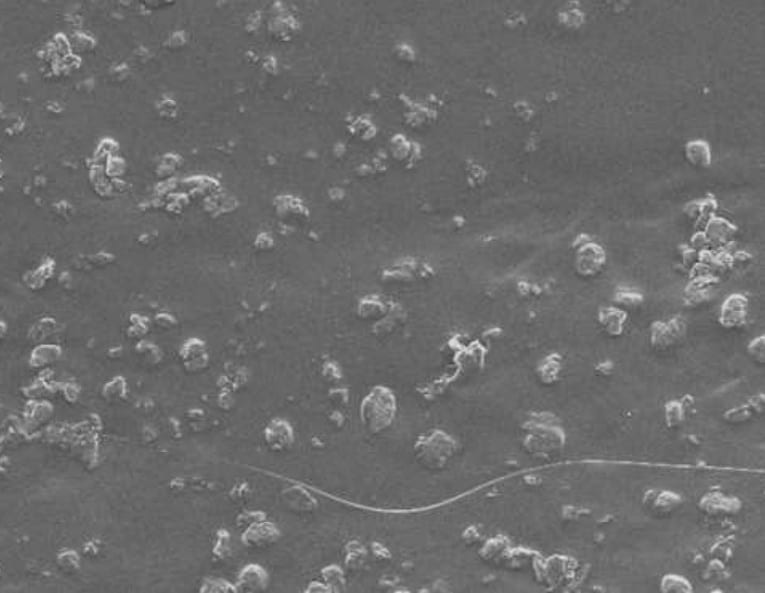
Researchers have engineered an electro-responsive polymer hydrogel containing carbon nanotubes for drug delivery applications.
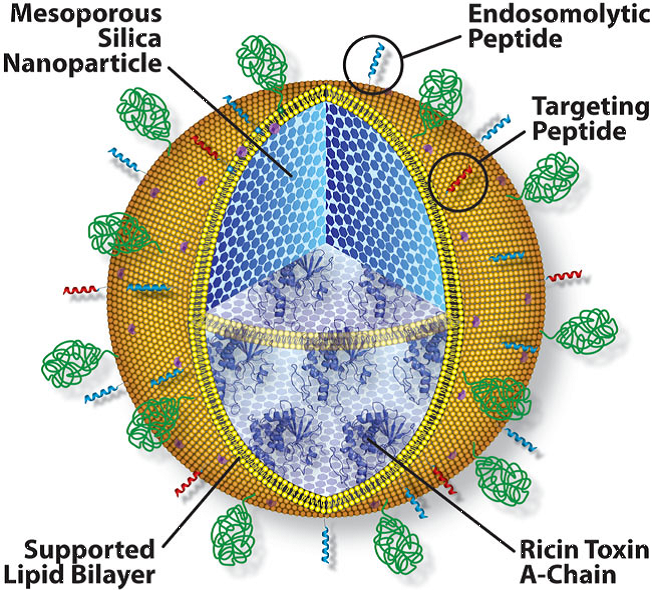
A new hybrid nanoarchitecture has been developed to allow the use of protein toxins such as ricin in cancer treatment.
 New theory suggests gravity is not a fundamental force
 Higgs boson may be driving the Universe’s expansion
 Water-powered gadgets may be on the horizon thanks to new evaporation-based energy device
 Scientists discover a new class of antibiotics
 Micron-sized hidden dimensions could solve two of physics’ deepest puzzles
 A new type of dark matter could explain mysterious radiation from the Milky Way’s core