Silica-coated gold nanorods with absorption at precisely 780 nm cause action potentials in nerve cells when exposed to laser light.
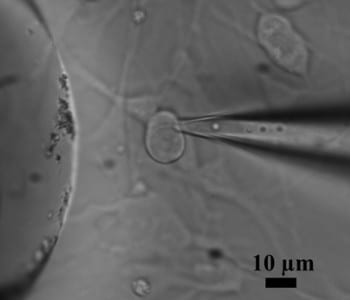

Silica-coated gold nanorods with absorption at precisely 780 nm cause action potentials in nerve cells when exposed to laser light.
A study to investigate how nanoparticles could be used to improve the diagnosis and treatment of cardiovascular disease has received £3 million funding.
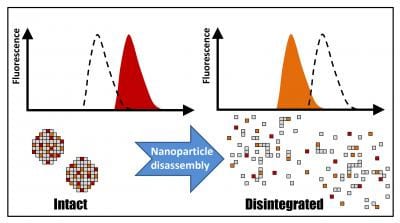
New method allows researchers to directly measure nanoparticle degradation in real time within biological environments.
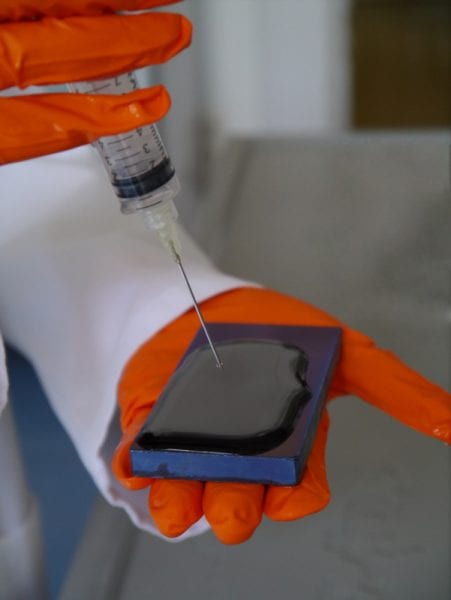
New gel to promote bone growth on implants used in orthopaedic and dental surgical procedures.
The need to develop biocompatible and biodegradable materials has intensified as the fields of bioengineering and regenerative medicine come of age.
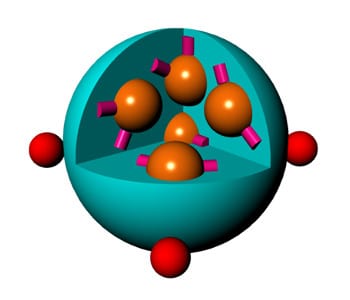
Korean scientists have developed a tumor-targeted, bioreducible nanoparticle system that can deliver cytotoxic anticancer drugs to tumor tissues.
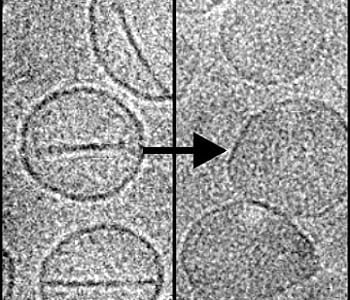
New drug delivery method targets cancer cells – not the entire body – and limits chemotherapy side effects.
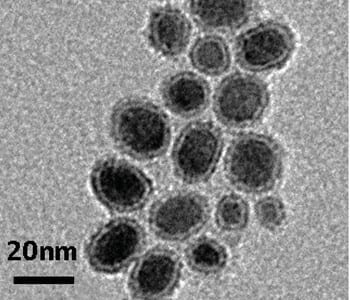
New core/shell structure nanoparticles have been reported by a team led by Peking University researchers.
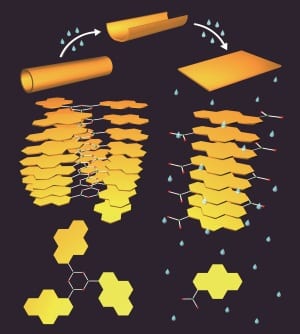
Structural transformations of nanoscale boroxines allow the controlled release of guest molecules.
A research team have coated biomaterial surfaces with a naturally expressed molecule that inhibit the inflammatory activation of immune cells.


 Micron-sized hidden dimensions could solve two of physics’ deepest puzzles
 Turning Periods into Power: Menstrual Blood a Valuable Resource for Medical Diagnostics
 Surfactants Steer Supraparticle Structure
 Bone loss in obesity traced to gut microbiota
 Edible electronics realize safe, complex monitoring devices
 Fermilab Confirms Muon g-2 Measurements