Regenerative medicine uses cells harvested from the patient’s own body to heal damaged tissue.
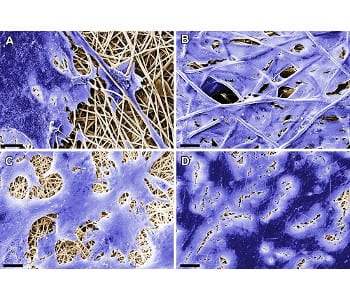

Regenerative medicine uses cells harvested from the patient’s own body to heal damaged tissue.
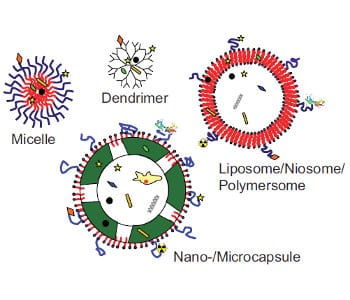
Anna Musyanovych and Katharina Landfester review the production and use of polymer-based drug carriers with particular focus on their use in biomedicine.
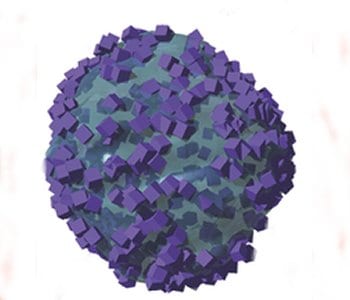
Researchers at Melbourne University have developed a versatile method to quickly and easily load a diverse range of functional and therapeutic cargo into polymer capsules.
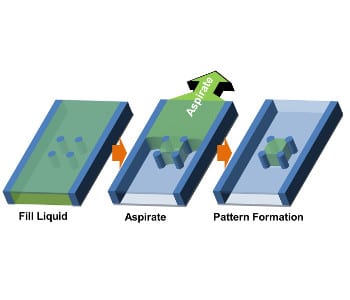
A simple method for 3D patterning of cell co-cultures has been developed based on capillary forces in a nanostructured microchannel.
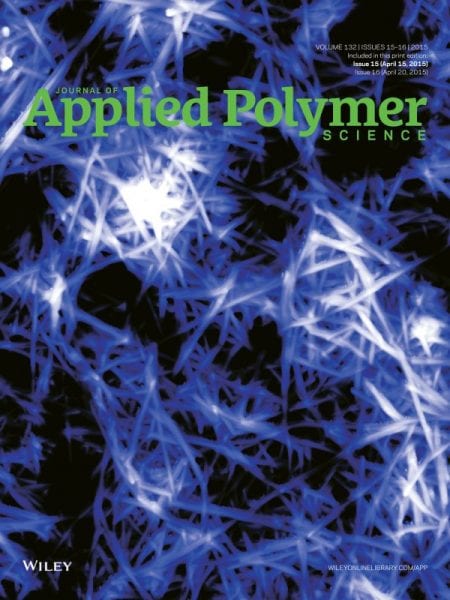
Dr. Mehdi Jorfi and Prof. E. Johan Foster review the applications of nanocellulose in various biomedical applications.
A group at the University of Adelaide have developed an intracellular GSH-responsive drug delivery system with enhanced cellular uptake capability.
Paolo Netti and co-workers have designed and characterized model tumor activated polystyrene nanoparticles (TAP-NPs) that release cytotoxic drugs.
Researcers construct a multifunctional theranostic nanoplatform that gathers five diagnostic and therapeutic functions into one single nanocomposite.
KAIST researchers discuss the recent progress of flexible piezoelectric thin-film harvesters and nanosensors for use in biomedical fields.
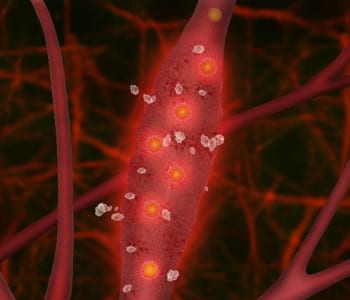
Researchers highlight the potential and current biological and biomedical applications of micro- and nanoparticle research.
 Micron-sized hidden dimensions could solve two of physics’ deepest puzzles
 Turning Periods into Power: Menstrual Blood a Valuable Resource for Medical Diagnostics
 Surfactants Steer Supraparticle Structure
 Bone loss in obesity traced to gut microbiota
 Edible electronics realize safe, complex monitoring devices
 Fermilab Confirms Muon g-2 Measurements