Researchers from the Qin lab have developed a microfluidic cell deformation delivery method that uses physical constriction to deform and shear cells for delivery.


Researchers from the Qin lab have developed a microfluidic cell deformation delivery method that uses physical constriction to deform and shear cells for delivery.
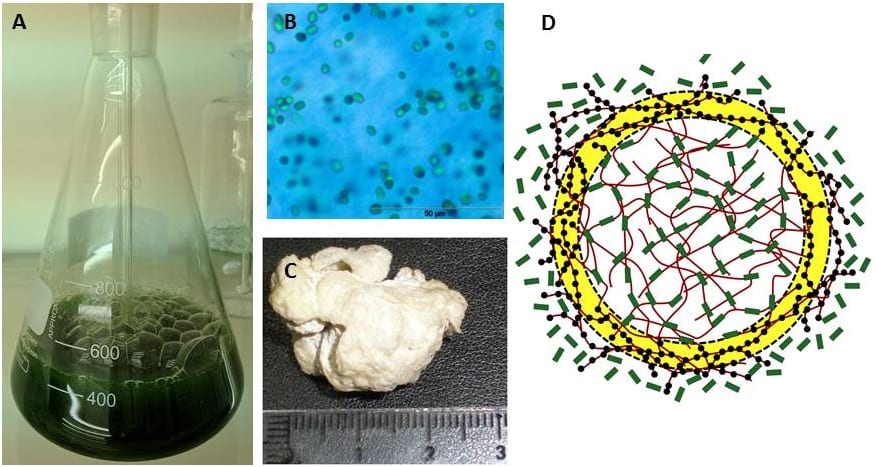
Cyanobacterial polymer as a drug delivery vehicle.
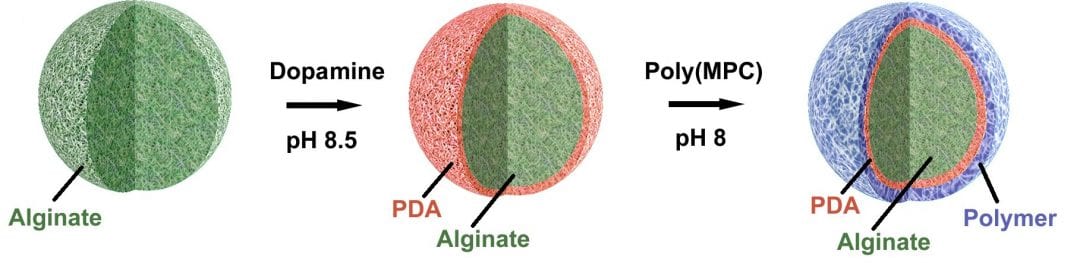
Yesilyurt et al. from MIT has demonstrated surface modification of model devices with an anti-biofouling zwitterionic polymer using a facile and scalable methodology.

In honor of Prof. K. Kataoka’s 65th birthday colleagues and friends have contributed to a special issue in Macromolecular Bioscience. Read the articles for free for a limited time.
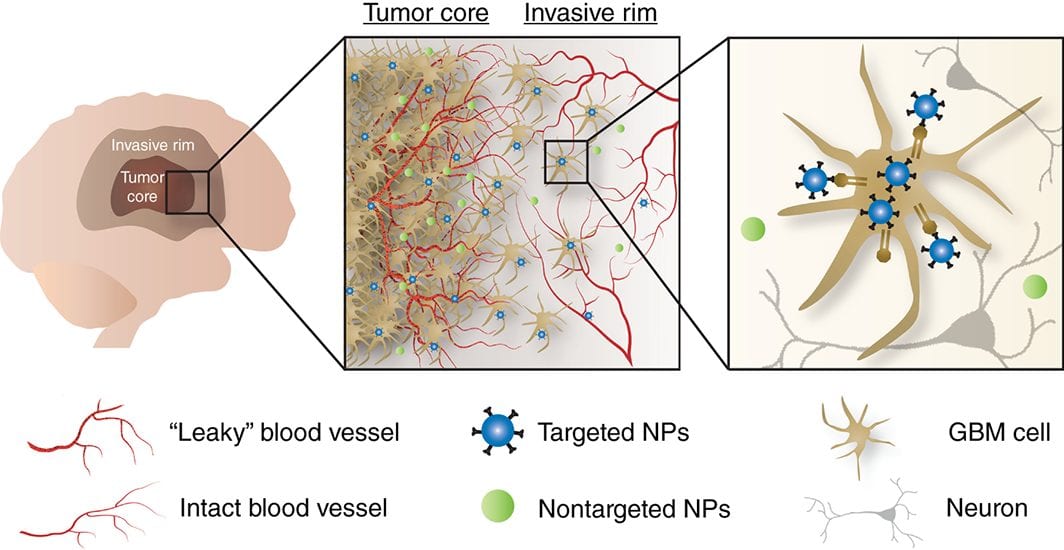
In an effort to overcome barriers to the treatment of glioblastoma (GBM), targeted nanotherapeutics have emerged as promising drug delivery systems with the potential to improve pharmacokinetic profiles and therapeutic efficacy.
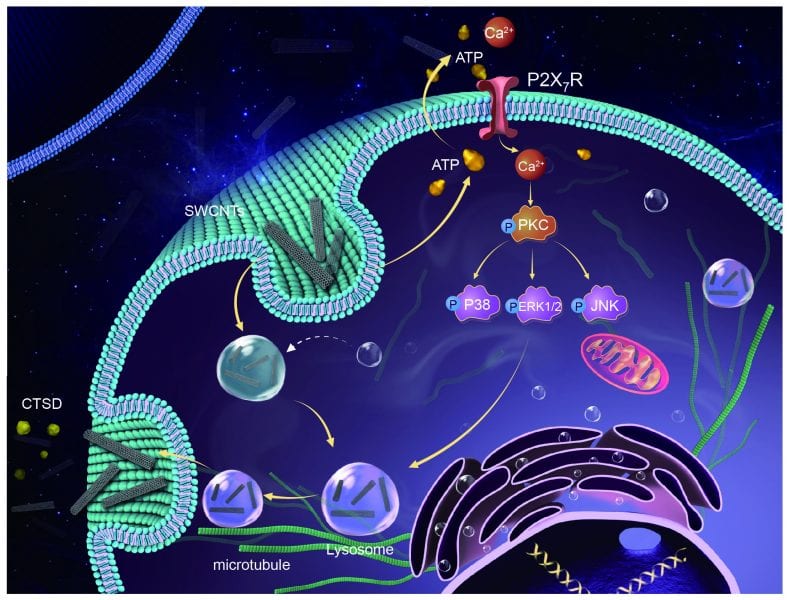
To design nanoproducts with improved therapeutic efficiency and controlled toxicity, we need to understand the mechanisms of cellular uptake and exocytosis of nanoparticles.
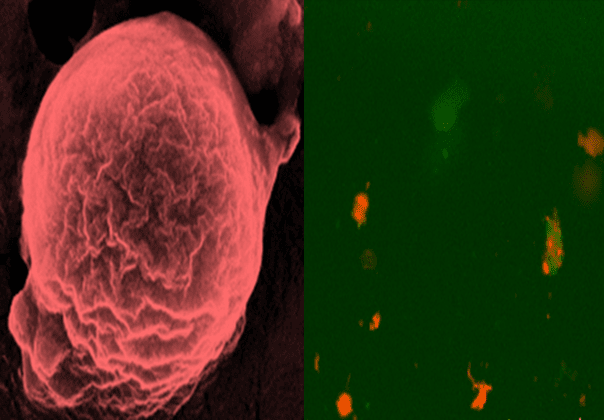
Researchers from Finland and the USA, have developed two multistage nanovaccines constructed of two biomaterials and either a biological cancer cell membrane (CCM) or a model antigen
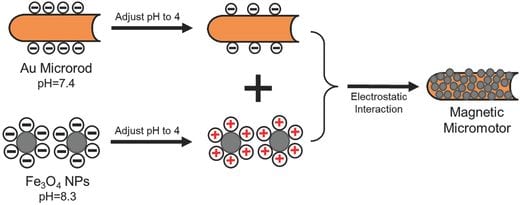
Magnetically steerable, acid-resistant micromotors are developed that can be fabricated by electrostatic attraction between magnetite nanoparticles and gold microrods at pH ≈ 4.

Micro/nanorobots to the rescue for environmental and medical applications.
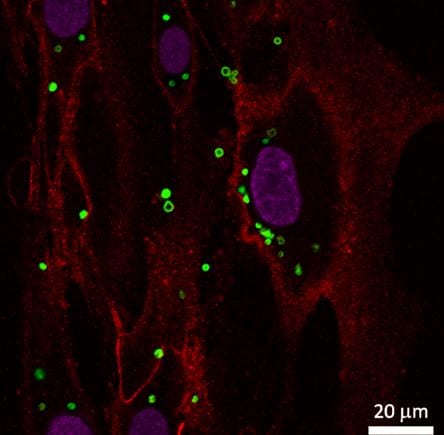
Scientists from Tomsk Polytechnic University have obtained magnetic stem cells with low toxicity and enough stable for gene engineering applications.


 Micron-sized hidden dimensions could solve two of physics’ deepest puzzles
 Turning Periods into Power: Menstrual Blood a Valuable Resource for Medical Diagnostics
 Surfactants Steer Supraparticle Structure
 Bone loss in obesity traced to gut microbiota
 Edible electronics realize safe, complex monitoring devices
 Fermilab Confirms Muon g-2 Measurements