In an effort to overcome barriers to the treatment of glioblastoma (GBM), targeted nanotherapeutics have emerged as promising drug delivery systems with the potential to improve pharmacokinetic profiles and therapeutic efficacy.
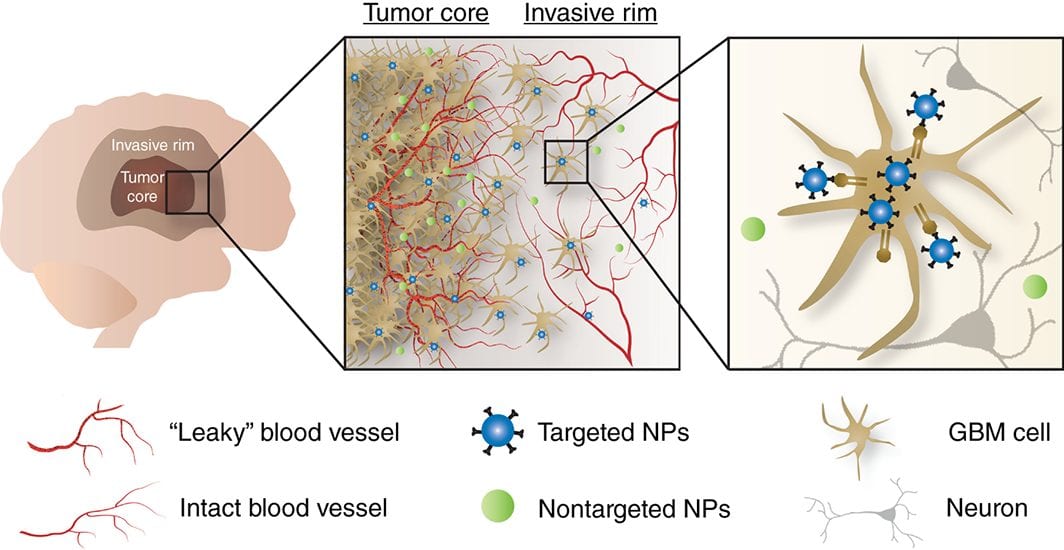

In an effort to overcome barriers to the treatment of glioblastoma (GBM), targeted nanotherapeutics have emerged as promising drug delivery systems with the potential to improve pharmacokinetic profiles and therapeutic efficacy.
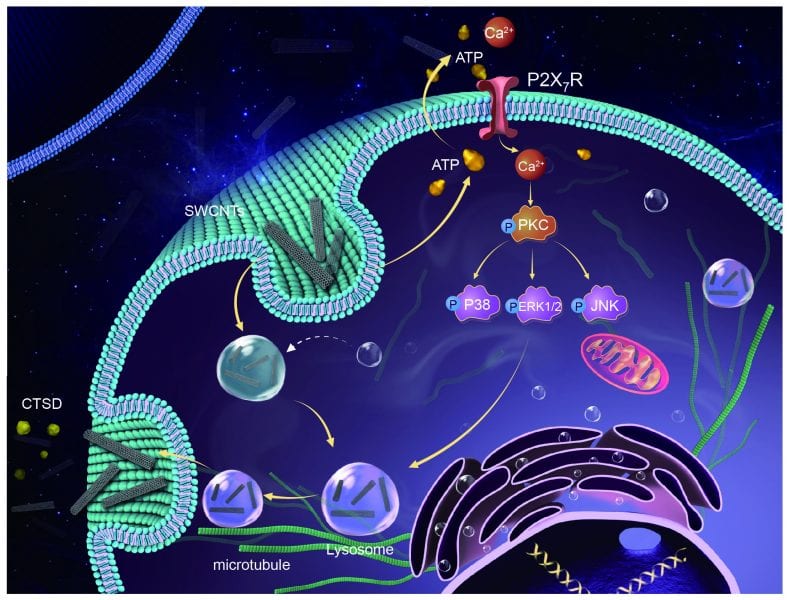
To design nanoproducts with improved therapeutic efficiency and controlled toxicity, we need to understand the mechanisms of cellular uptake and exocytosis of nanoparticles.
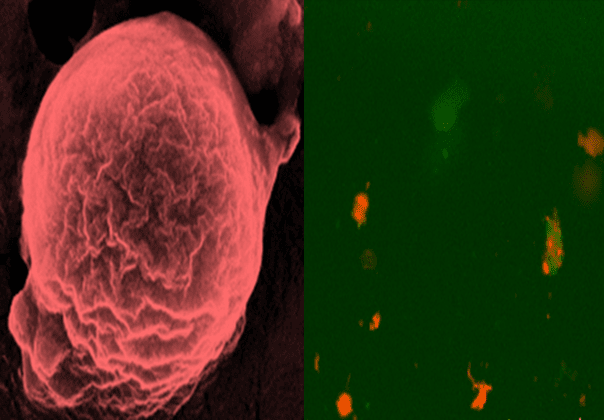
Researchers from Finland and the USA, have developed two multistage nanovaccines constructed of two biomaterials and either a biological cancer cell membrane (CCM) or a model antigen
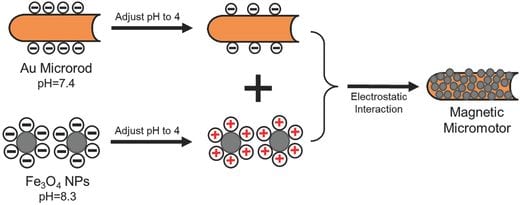
Magnetically steerable, acid-resistant micromotors are developed that can be fabricated by electrostatic attraction between magnetite nanoparticles and gold microrods at pH ≈ 4.

Micro/nanorobots to the rescue for environmental and medical applications.
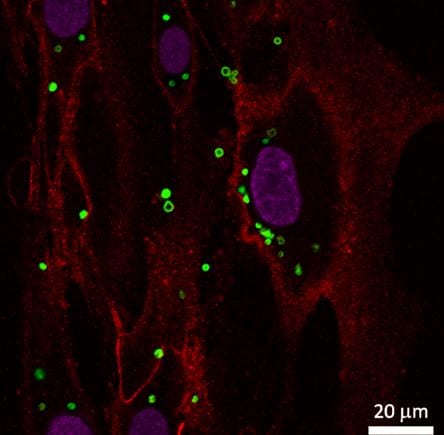
Scientists from Tomsk Polytechnic University have obtained magnetic stem cells with low toxicity and enough stable for gene engineering applications.
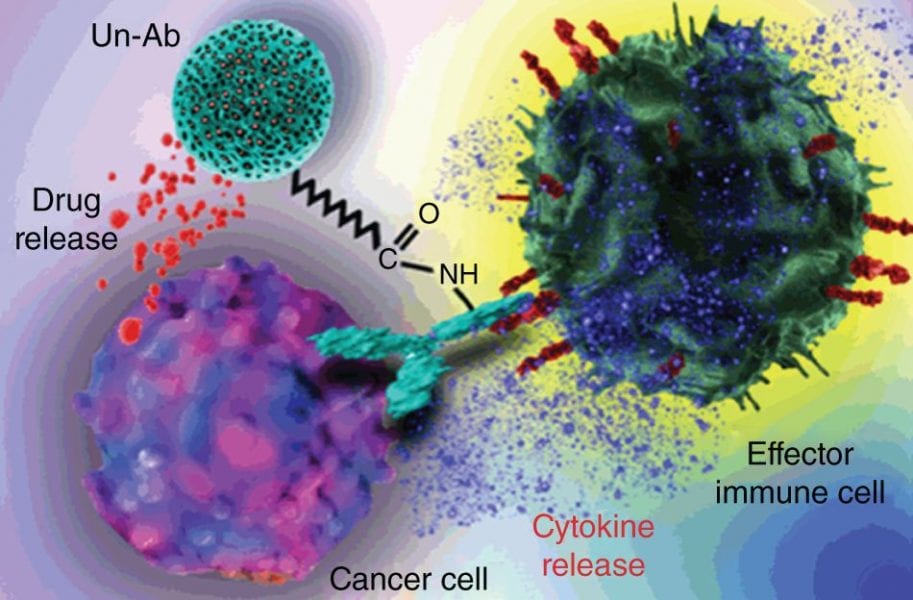
Researchers are applying nanotechnology to cancer immunotherapy toward the development of nanocarriers for delivery of cancer vaccines and chemo-immunotherapies.

Researchers from Oslo report on the influence of temperature and polymer spacer length on the phase behavior of aqueous polymer solutions
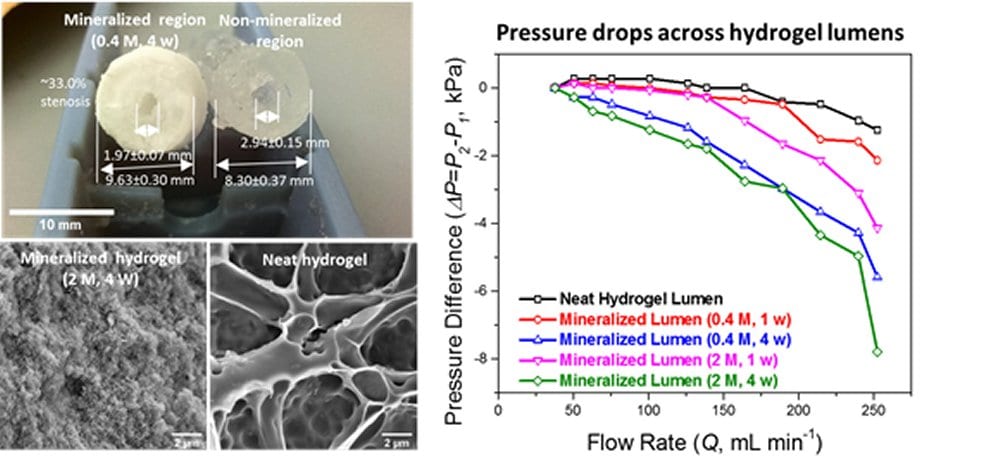
Researchers have molded a hydrogel lumen using a tough polyacrylamide with regions selectively mineralized with calcium phosphate to mimic plaque.

A therapeutic thrombin-responsive patch to help with acute pulmonary thromboembolism.
 New theory suggests gravity is not a fundamental force
 Higgs boson may be driving the Universe’s expansion
 Water-powered gadgets may be on the horizon thanks to new evaporation-based energy device
 Scientists discover a new class of antibiotics
 Micron-sized hidden dimensions could solve two of physics’ deepest puzzles
 A new type of dark matter could explain mysterious radiation from the Milky Way’s core