In the heart wall the pressure required to pump blood dominates the biomechanics of the contraction cycle of the heart.
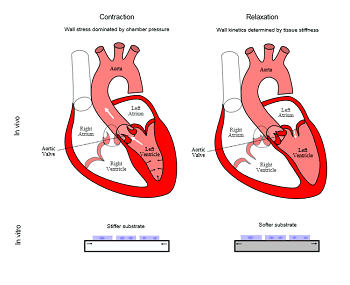

In the heart wall the pressure required to pump blood dominates the biomechanics of the contraction cycle of the heart.
A methacrylated hyaluronic acid scaffold with oriented pores perpendicular to the axial direction by an unidirectional freeze-drying method is reported.
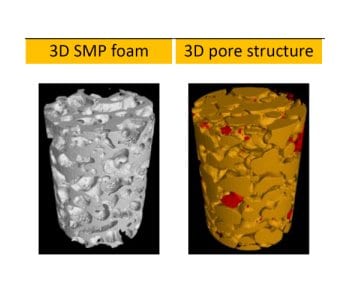
This study expands the potential applications of the SMP foam in tissue engineering.
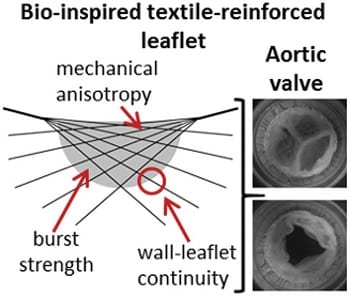
The BioTexValve demonstrates the potential of bio-inspired textile-reinforcement for the fabrication of functional tissue-engineered heart valves for the aortic position.
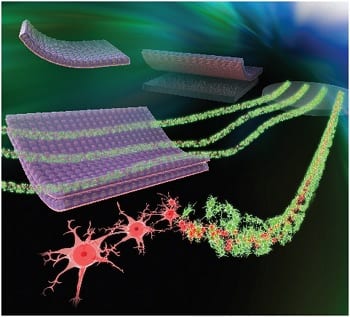
This new tissue engineering approach may be useful to establish a technology for regenerative medicine and drug discovery using the patient’s own neurons.
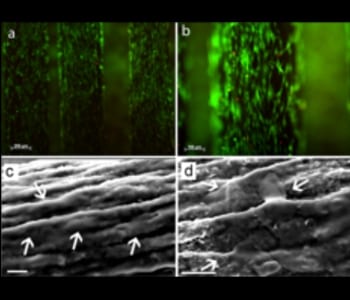
Researchers develop conducting graphene–PLGA fiber electrode that promotes muscle cell growth, and that could stimulate muscle regeneration.
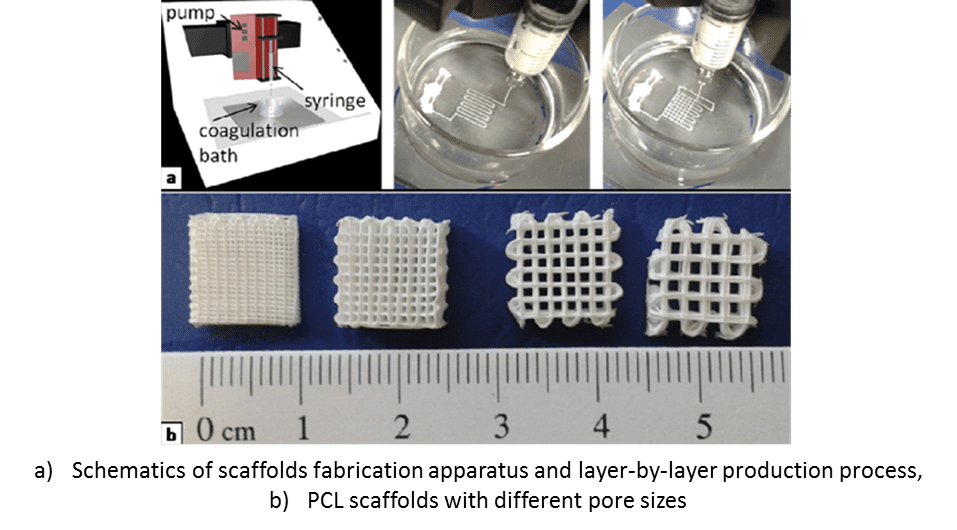
A common goal for tissue engineering has been finding a way to regenerate and repair the inflamed tissues.
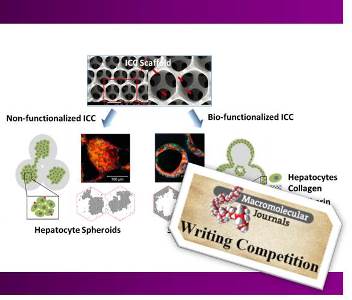
Micro-porous PEG hydrogels are functionalized with collagen type-I that has a selective response with human hepatocarcinoma cells.

A zwitterionic polynorbornen-modified surface facilitates growth and proliferation of model endothelial cells.
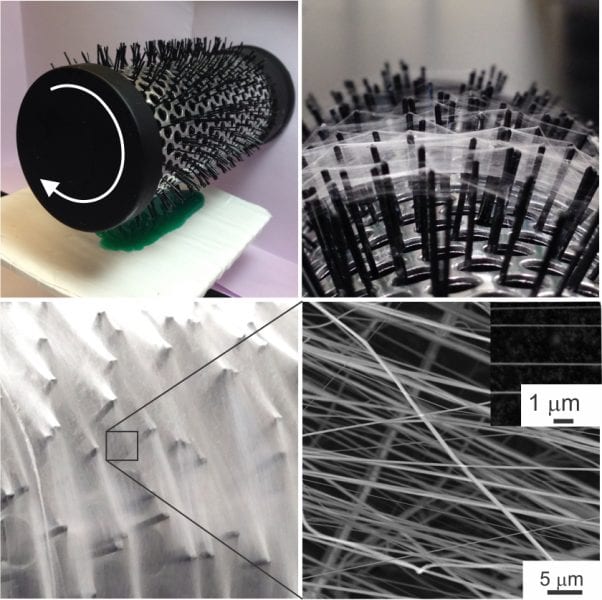
Touch- and brush-spinning methods for drawing of nanofibers, core–shell nanofibers, and their aligned 2D and 3D meshes have been developed.
 New theory suggests gravity is not a fundamental force
 French WEST reactor breaks record in nuclear fusion
 Higgs boson may be driving the Universe’s expansion
 Researchers replicate gravitational lensing in the lab
 Water-powered gadgets may be on the horizon thanks to new evaporation-based energy device
 Cold shock from ice baths leads to stronger cells