A new hydrogel can incorporate high cell density constructs to better mimic the rearrangement of native tissue in bioengineering.
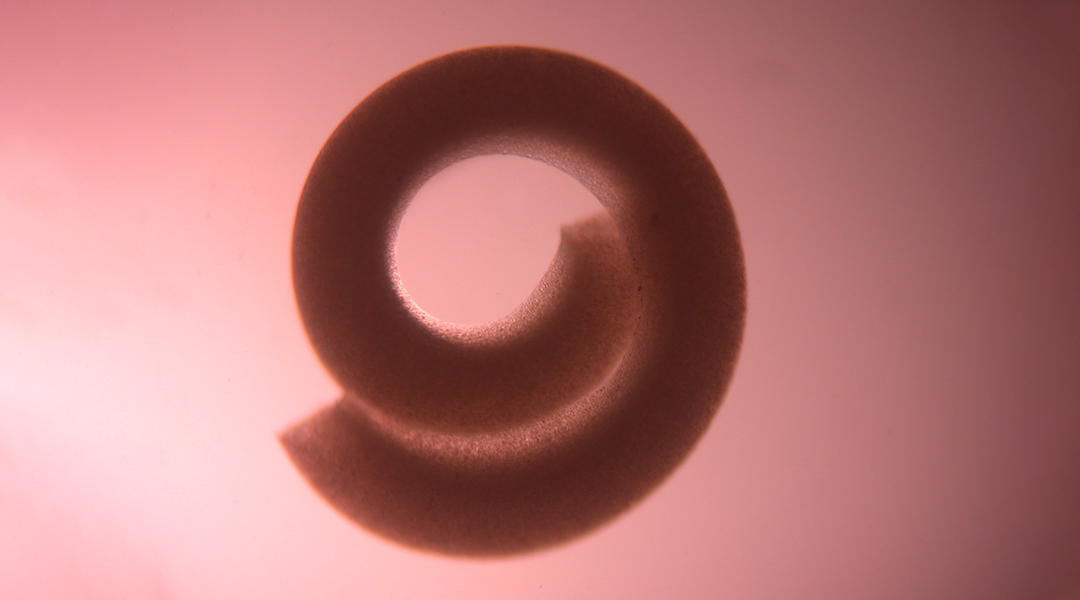

A new hydrogel can incorporate high cell density constructs to better mimic the rearrangement of native tissue in bioengineering.
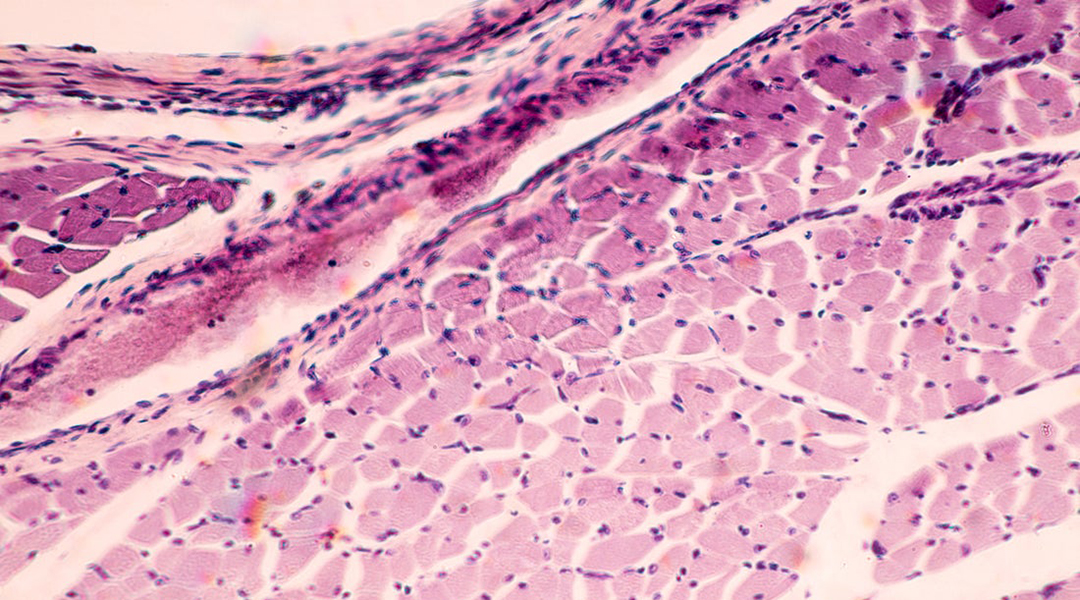
A new tissue regeneration strategy that employs direct cell reprogramming in combination with a new hybrid scaffold shows promise in proof-of-concept study.
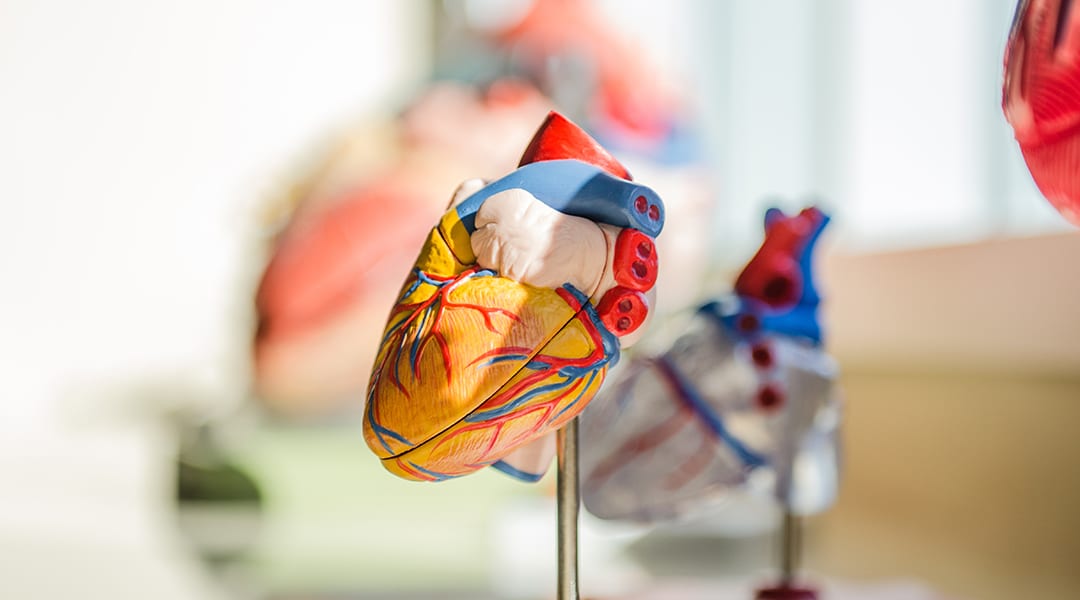
Stem cells found in the lungs can be redirected to the heart using a new inhaled antibody therapy to help boost healing following a heart attack.

Hybridizing biofabrication processes will lead us to superior “living” tissue and organ substitutes that can be used to treat patients in lieu of donor grafts and metal and plastic devices.
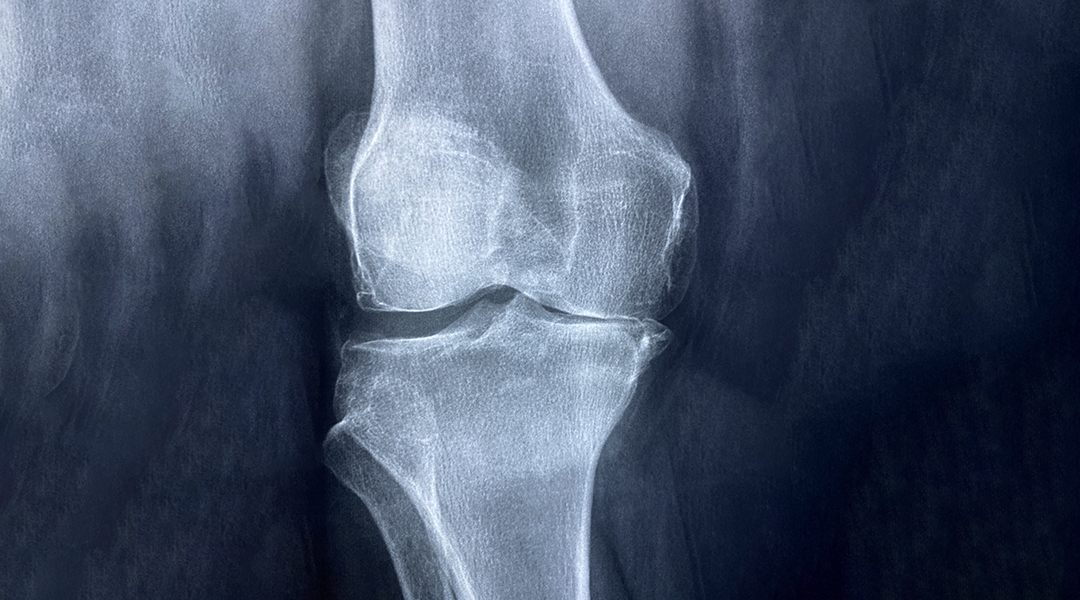
Researchers use an enhanced technique to pattern unaltered cells within a 3D hydrogel, allowing them to recreate complex biological tissue for regenerative medicine.
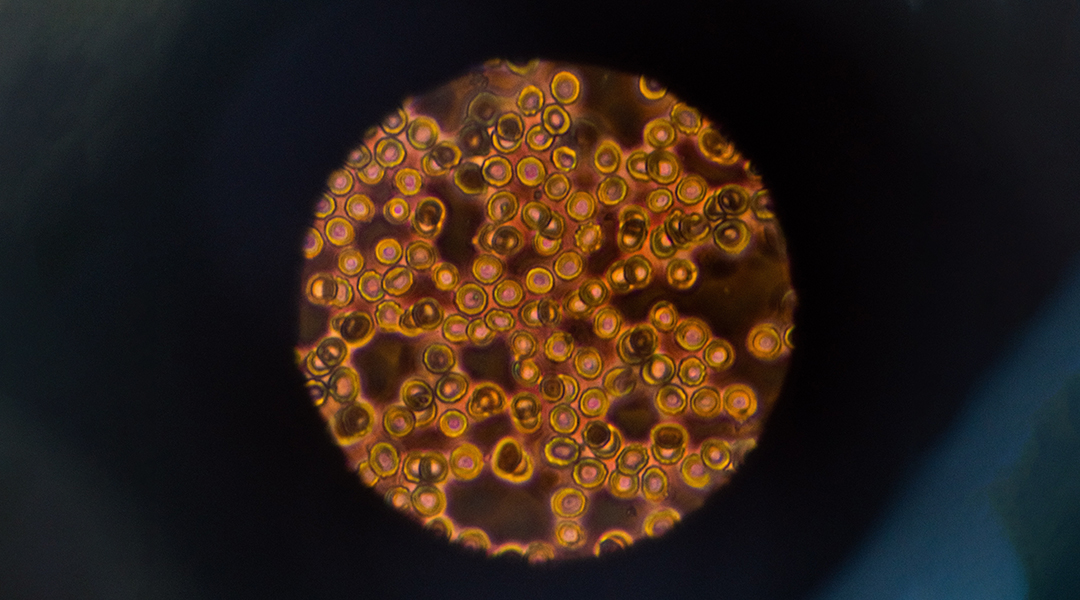
A new mechanism to produce powerful biodegradable elastomers with a promising future in tissue regeneration.

Before blood vessels reach implanted cells, they need a built-in oxygen source to keep them alive.
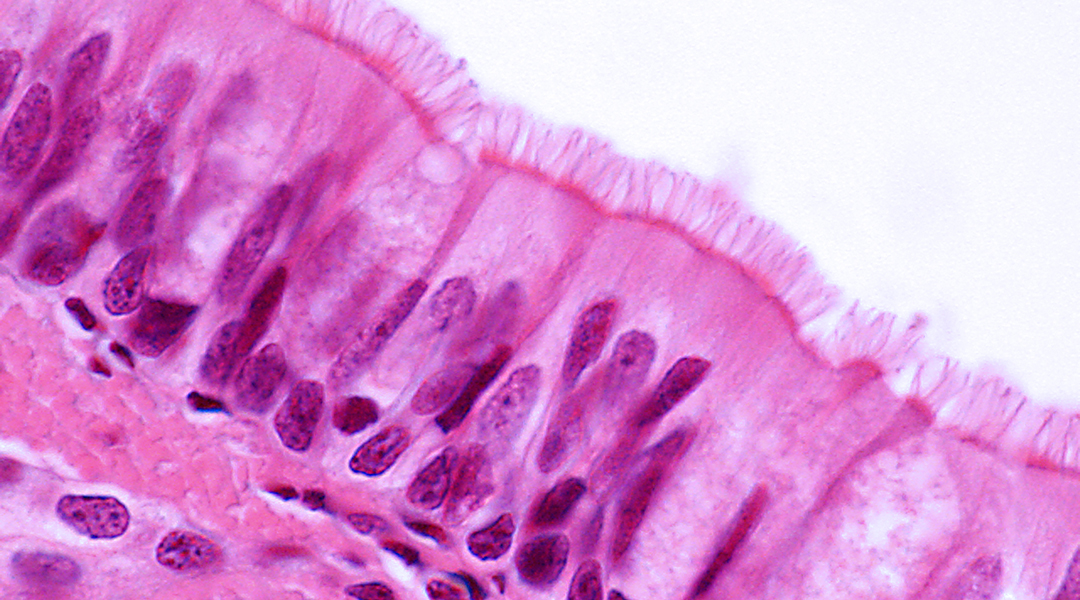
Damaged trachea can now be regenerated and customized with the help of engineered biomaterials, replacing the need for prosthesis.
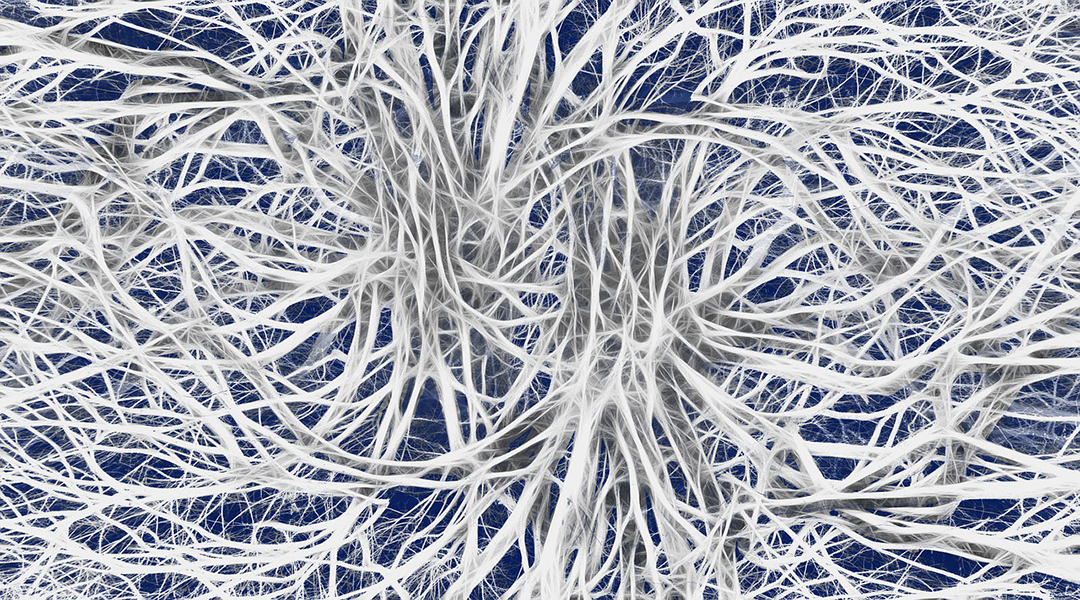
Scientists have found a way to repair damaged peripheral nerves using engineered biomaterials that better support platelets.
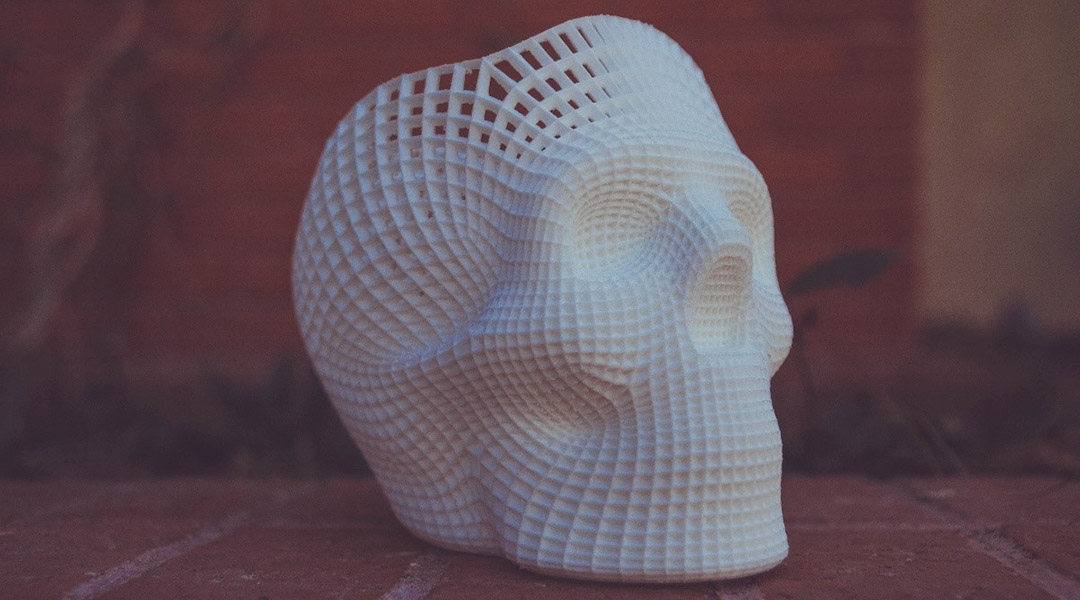
A customizable scaffold helps repair bones and rebuild tissue using the patient’s own cells.

 Micron-sized hidden dimensions could solve two of physics’ deepest puzzles
 Turning Periods into Power: Menstrual Blood a Valuable Resource for Medical Diagnostics
 Surfactants Steer Supraparticle Structure
 Bone loss in obesity traced to gut microbiota
 Edible electronics realize safe, complex monitoring devices
 Fermilab Confirms Muon g-2 Measurements