A virus-based treatment for stroke rebuilds neural connections and vascular networks in the brain.
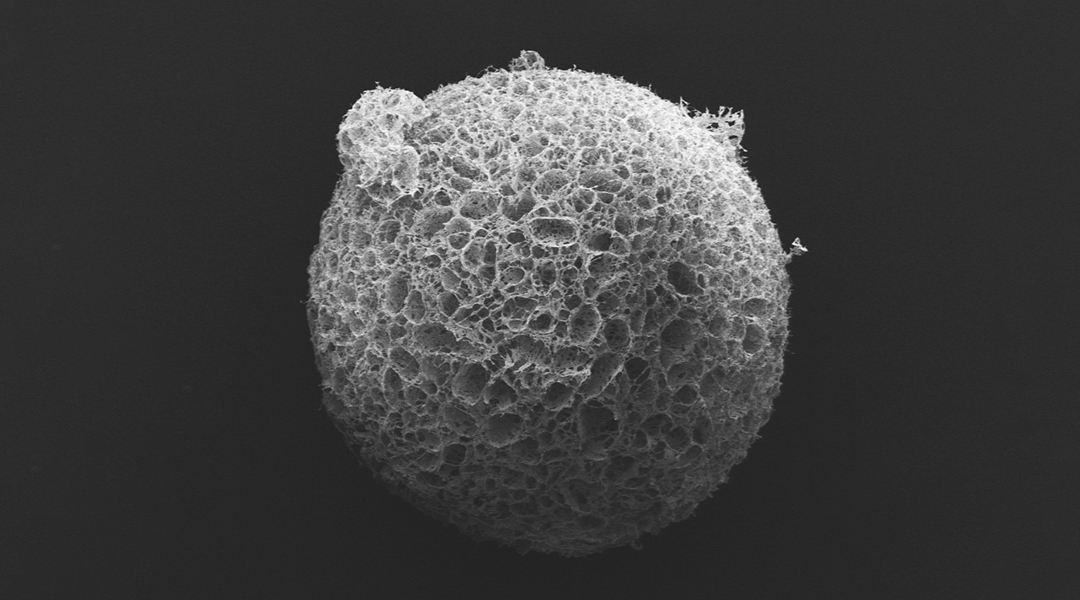

A virus-based treatment for stroke rebuilds neural connections and vascular networks in the brain.
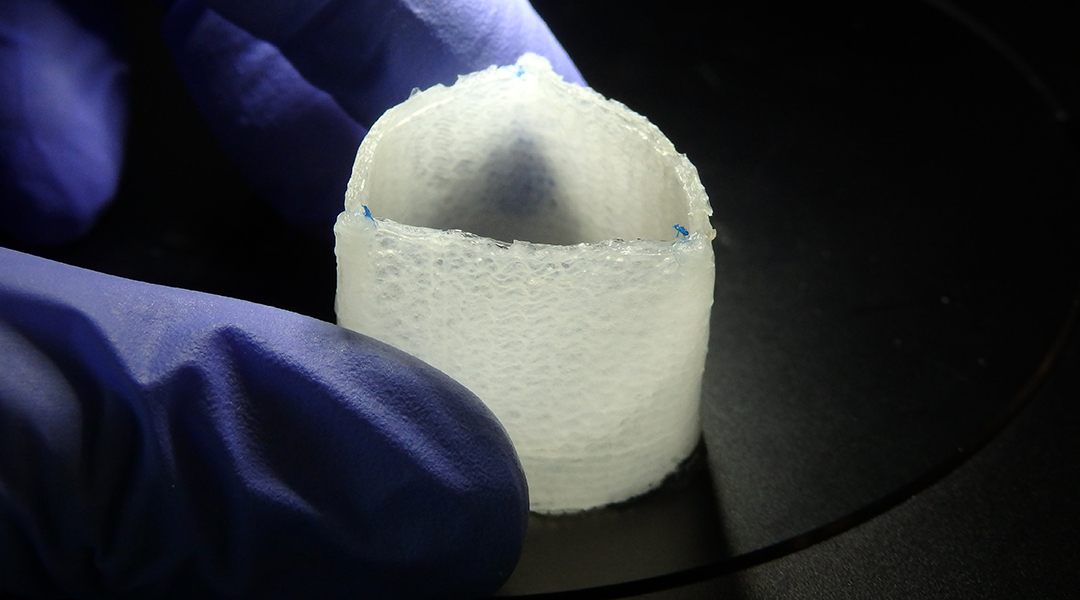
To avoid the need for repeated surgery, scientists are developing durable artificial heart valves from regenerated tissue.
By changing the blood type in a set of donor lungs, researchers hope to one day create universal donor organs.
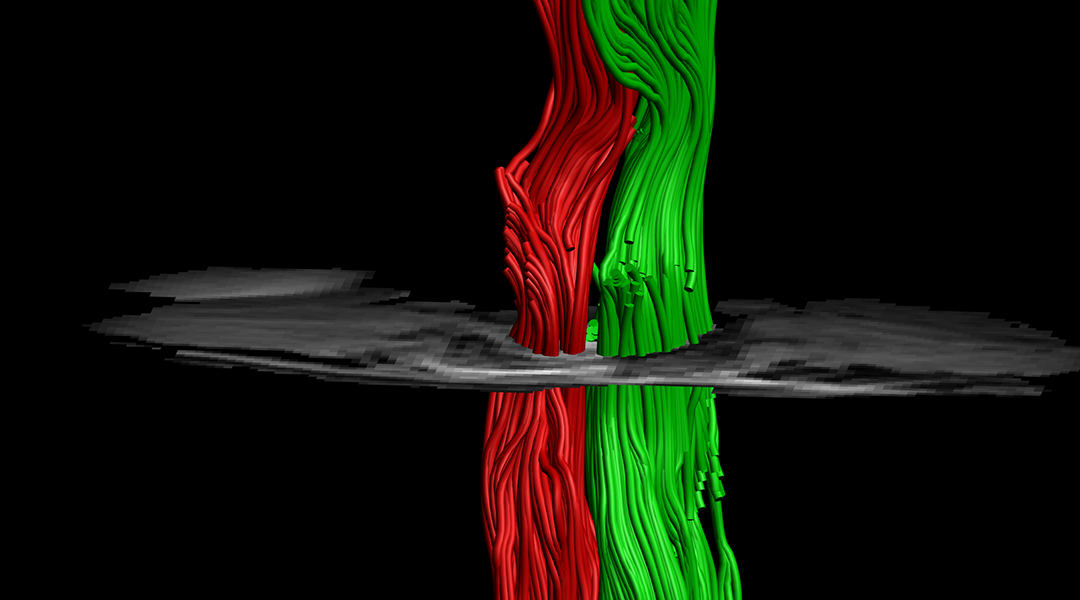
A new spinal cord implant was used to heal a severed spine, offering hope that these types of injuries can one day become treatable.
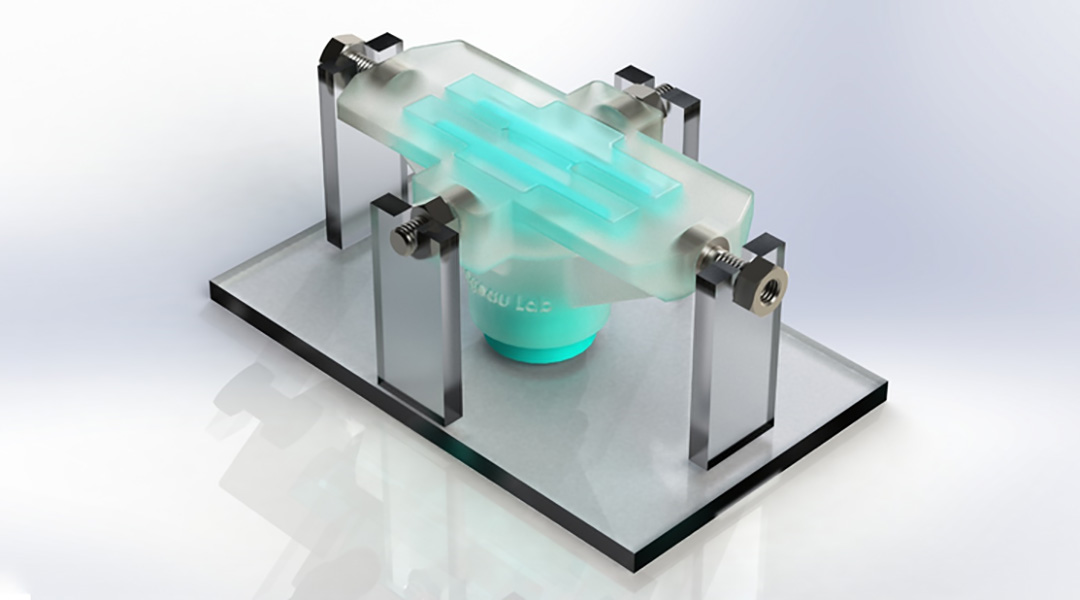
A new hydrogel supports living cells and can withstand dynamic environments to help repair tissue in the heart, muscles, and vocal cords.
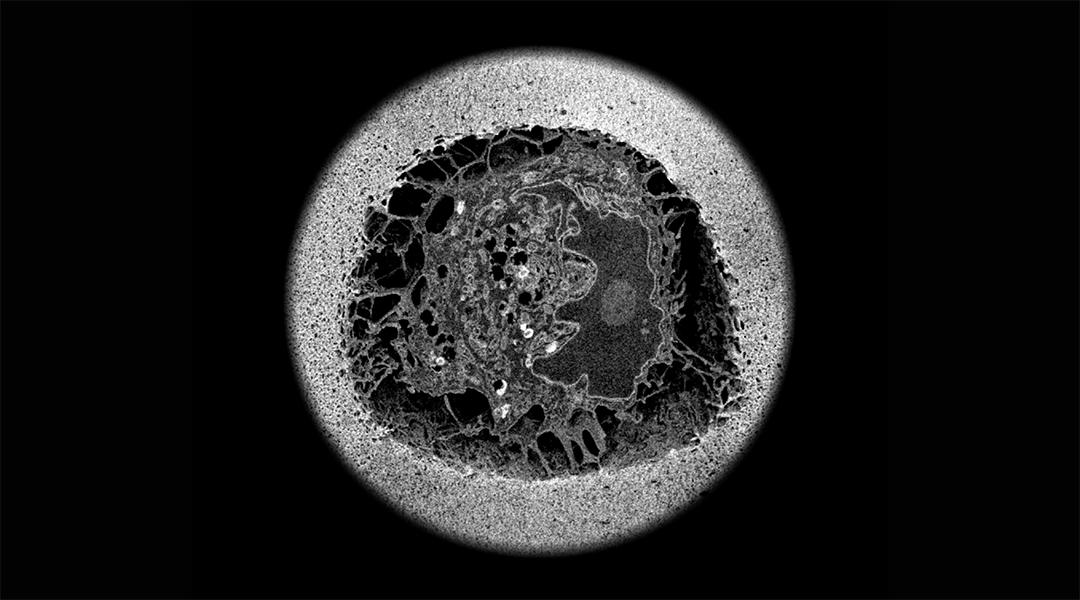
A natural chemical tether helps researchers attach cells to inert biomaterials for better cell models and therapies.
While stem cell therapies have been touted as “miracle cures”, data indicates that there are still hurdles keeping them out of the clinic.
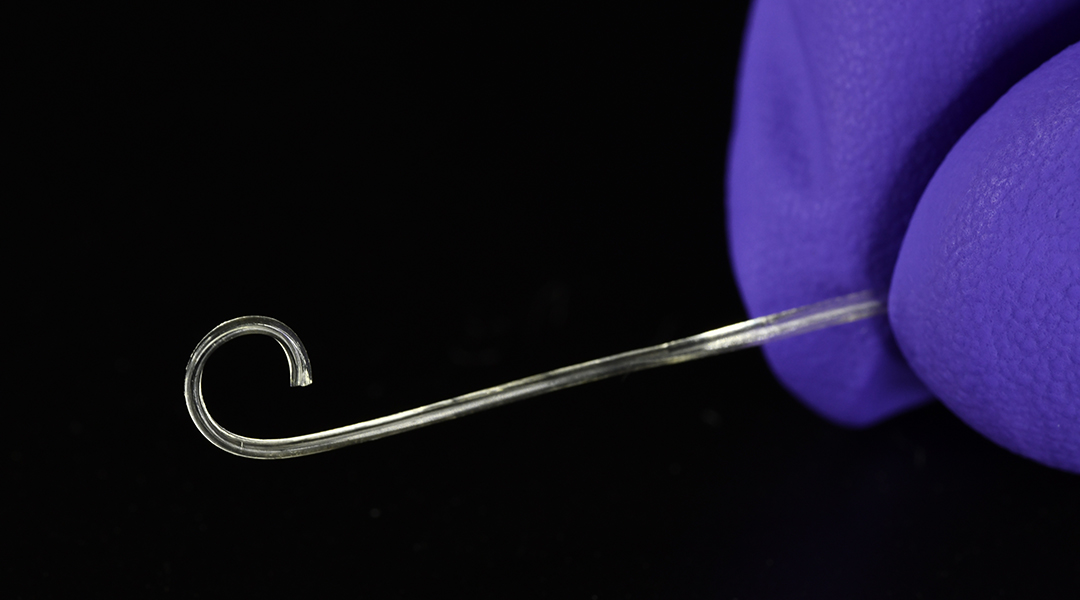
A shape-shifting polymer allows scientists to create a safer implantable device that results in less trauma upon insertion.
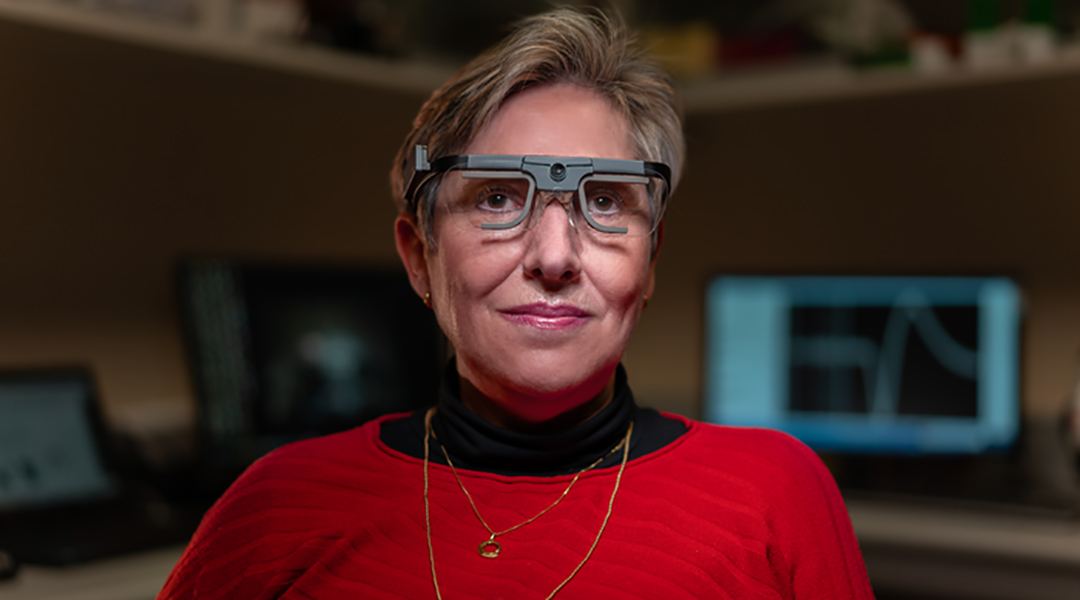
A microelectrode array no bigger than a penny gives hope to restoring sight in blind people.
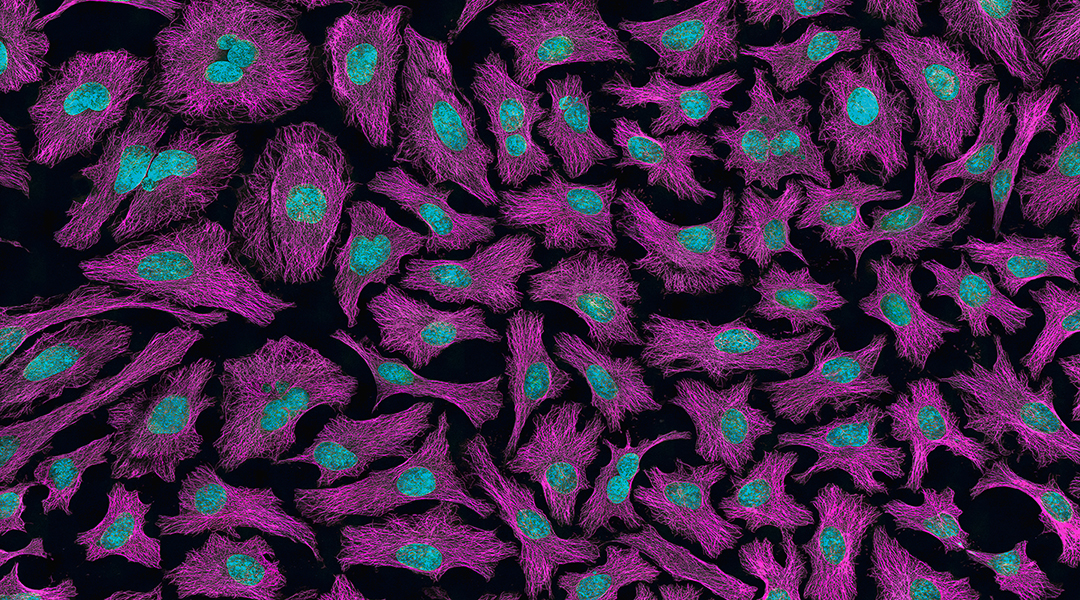
DNA robots built to transverse fluidic cell membranes and control cell function for future regenerative and cell-based therapies.

 Micron-sized hidden dimensions could solve two of physics’ deepest puzzles
 Turning Periods into Power: Menstrual Blood a Valuable Resource for Medical Diagnostics
 Surfactants Steer Supraparticle Structure
 Bone loss in obesity traced to gut microbiota
 Edible electronics realize safe, complex monitoring devices
 Fermilab Confirms Muon g-2 Measurements