Regenerating bricks are created from sand, gelatin, and bacteria.
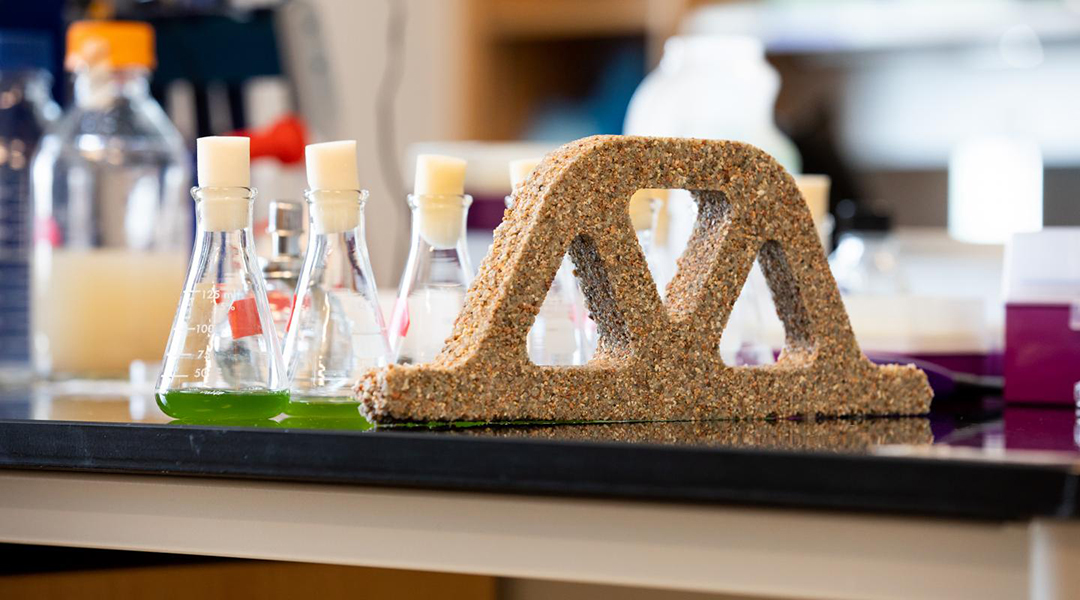

Regenerating bricks are created from sand, gelatin, and bacteria.
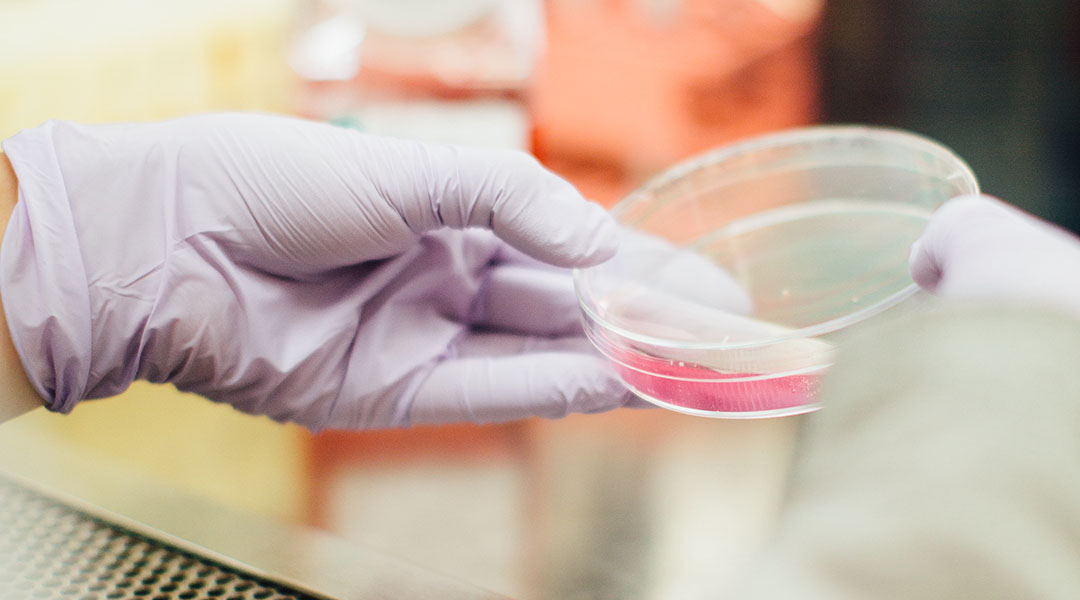
Researchers have successful implanted artificial factories into living cells with the hope of producing molecules for therapeutics.
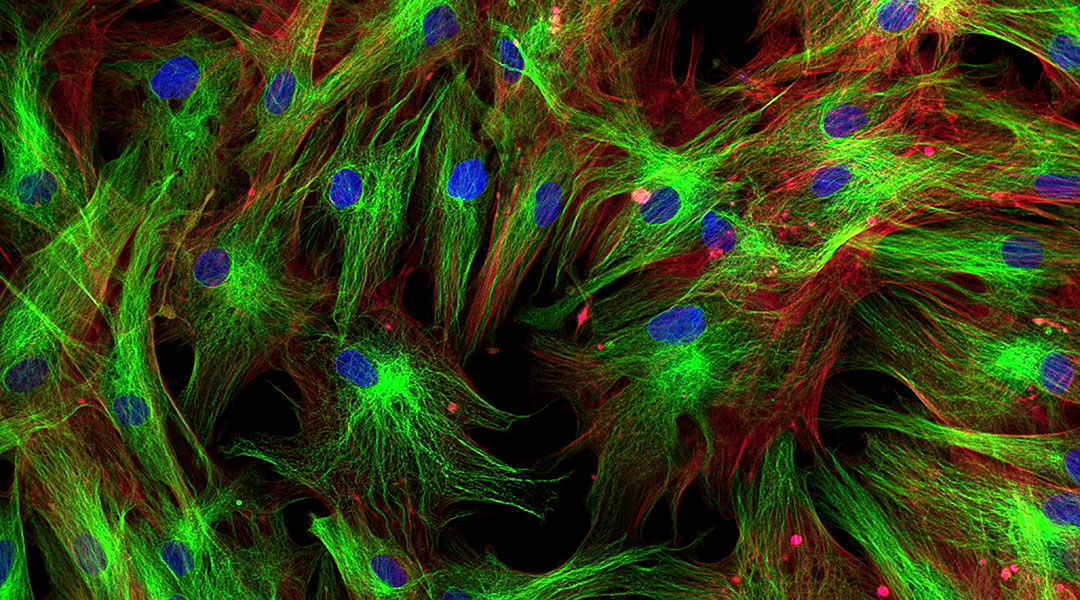
A molecular probe maps misfolded proteome state in live cells.
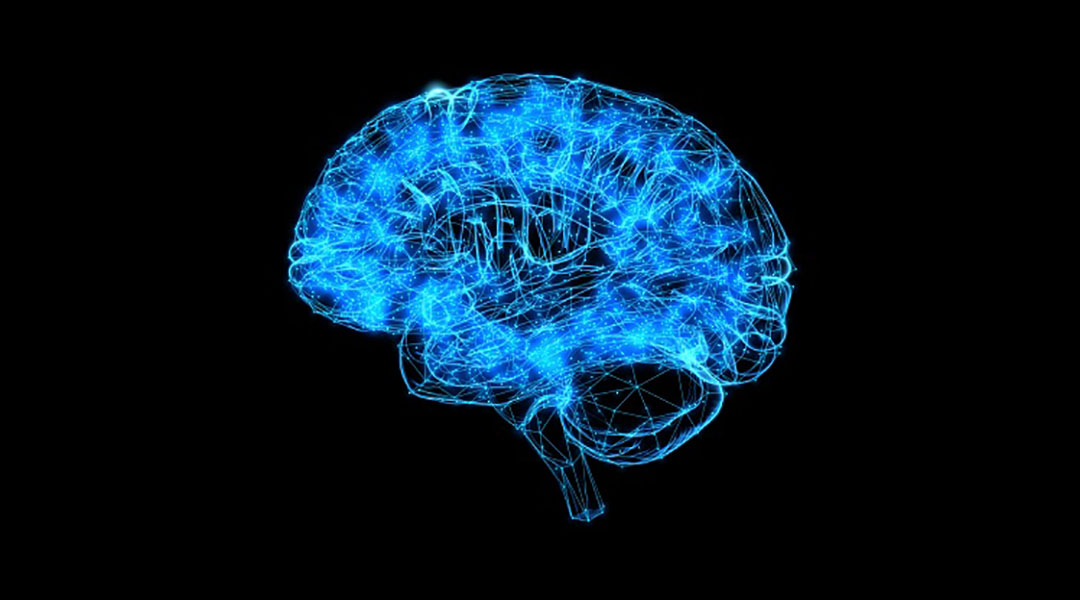
In a small group of patients, language and memory showed improvement for up to 3 months after ultrasound brain stimulation therapy.

We have the potential to end the HIV epidemic. But why hasn’t it happened yet?
Researchers are increasingly interested in how a systems biology approach may be used to tackle multi-scale heart problems.
![An Artificial Cell-On-A-Chip [Video]](https://www.advancedsciencenews.com/wp-content/uploads/2019/12/bacteria-359956_1920.jpg)
An artificial cell, which uses a microfluidics-based approach to engineer a modular and programable artificial‐cell‐on‐chip.
Scientists take us a step closer to making cell transplantation a viable clinical option.
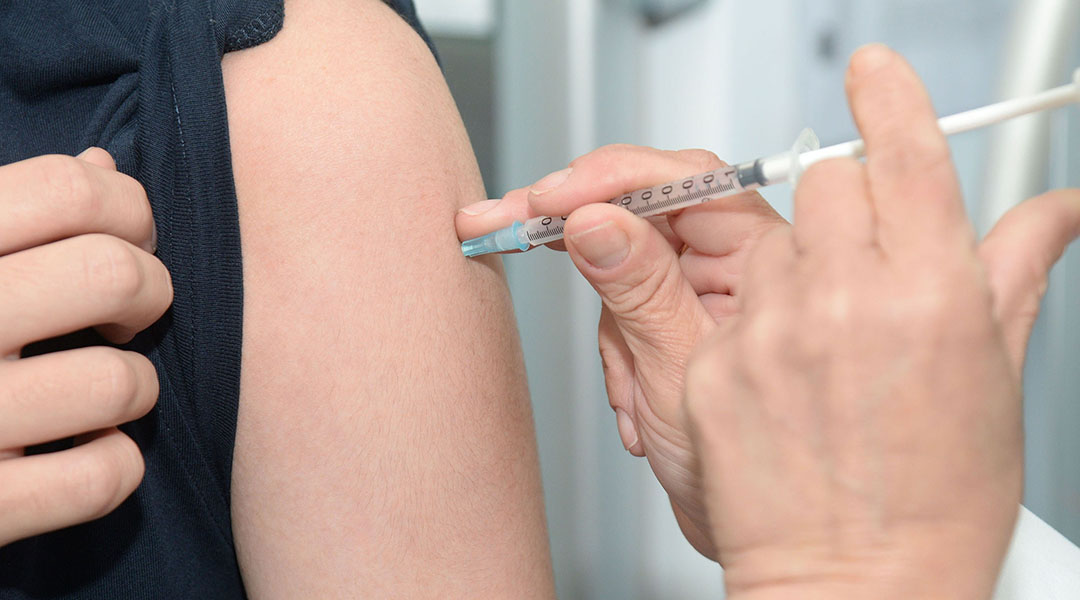
Gilbert X. Gonzalez tells how his lab are working on influenza vaccines that can overcome the problems of the seasonal influenza vaccine.
Inactivating viruses from biopharmaceutical source materials can be achieved with detergents. However, the frequently used detergent Triton X-100 is ecotoxic and must be replaced with eco-friendly alternatives.
 New theory suggests gravity is not a fundamental force
 Higgs boson may be driving the Universe’s expansion
 Water-powered gadgets may be on the horizon thanks to new evaporation-based energy device
 Scientists discover a new class of antibiotics
 Micron-sized hidden dimensions could solve two of physics’ deepest puzzles
 A new type of dark matter could explain mysterious radiation from the Milky Way’s core