French group demonstrate a unique nanofibrous active implant for bone-tooth unit regeneration.
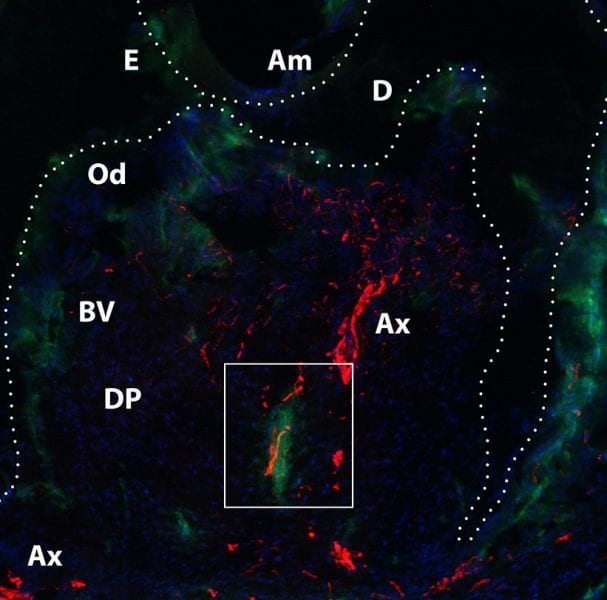

French group demonstrate a unique nanofibrous active implant for bone-tooth unit regeneration.
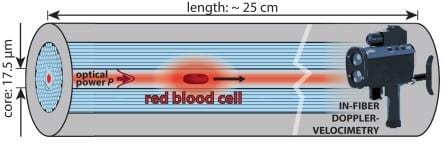
A new tool enables biomechanical studies of individual cells, laser-propelling red blood cells over long distances and monitoring their deformation.
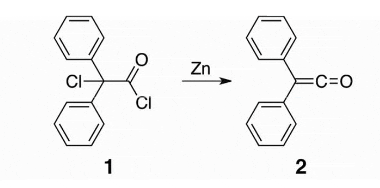
After over a century of neglect, Ketenes have reemerged as a useful tool for synthetic chemists and materials scientists.
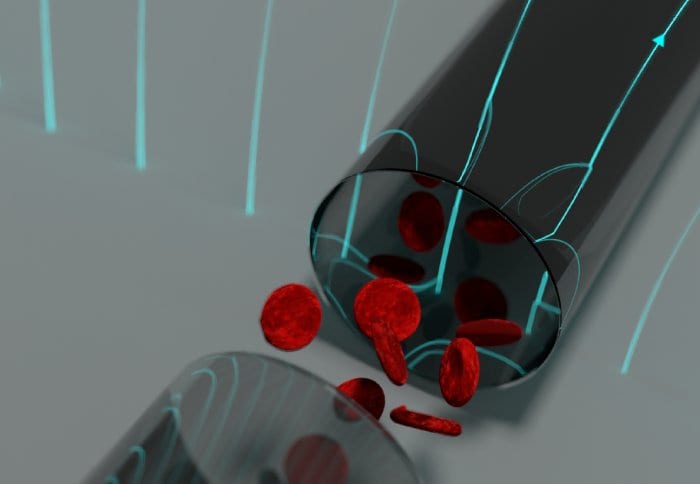
A rapid way of diagnosing anaemia using microwave technology being developed into a point of care device for hospitals and the home.
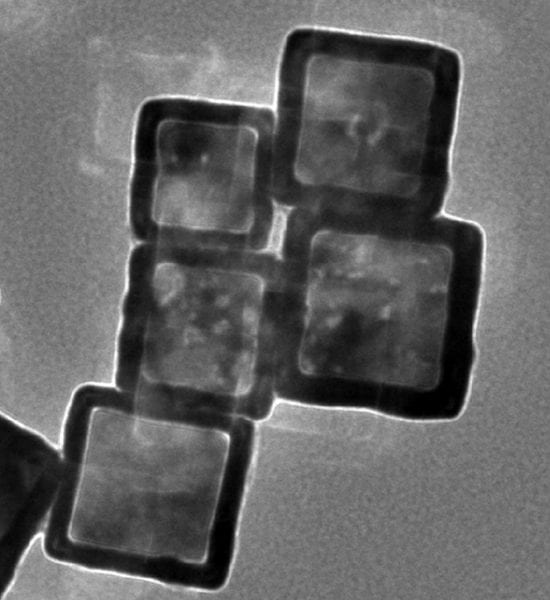
A noninvasive, controlled method of drug delivery via functionalising gold nanocages for Alzheimer’s disease therapy increases the therapeutic efficacy of chelation therapy.
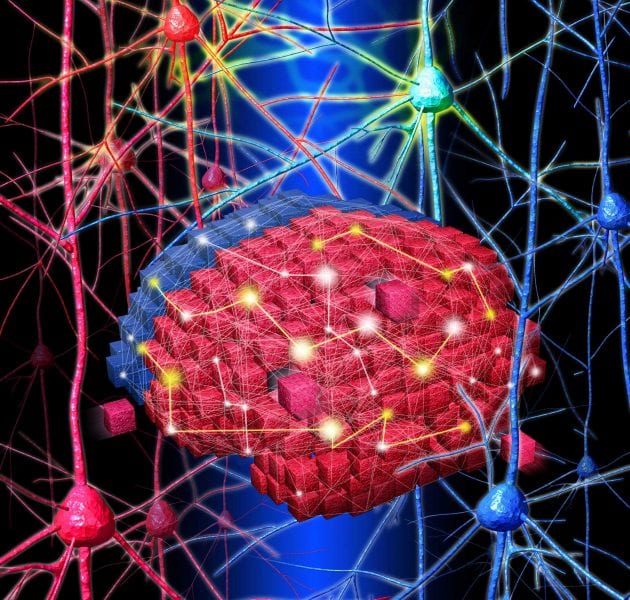
Small neural building blocks are used to make 3D neural networks in vitro, allowing the study of the interaction between different brain regions.
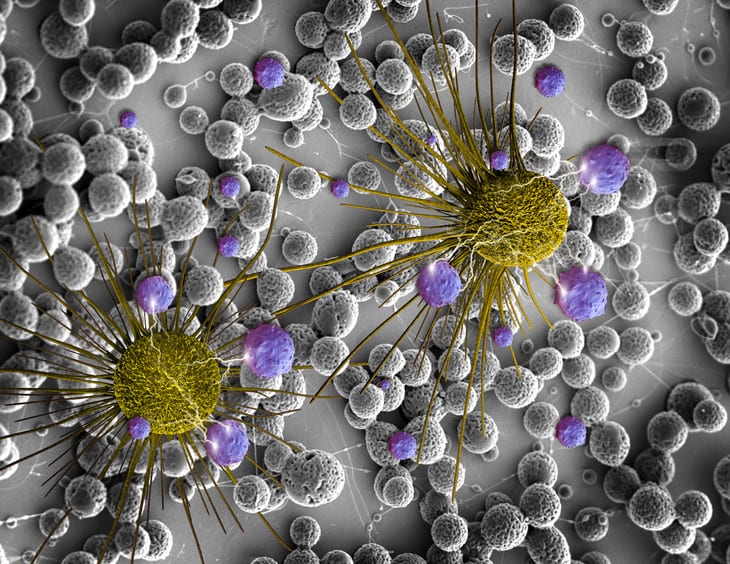
Microcapsules containing a brain cancer drug may simplify treatment and provide more tightly controlled therapy, according to Penn State researchers.
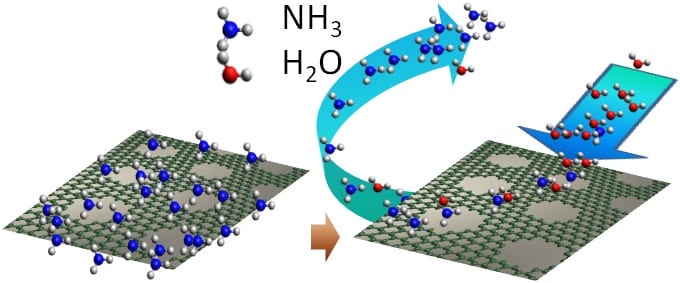
CSIRO scientists have developed new nanosensors capable of detecting very low concentrations of toxic gases such as ammonia and nitrogen dioxide, which can be reset using water molecules or ethanol.
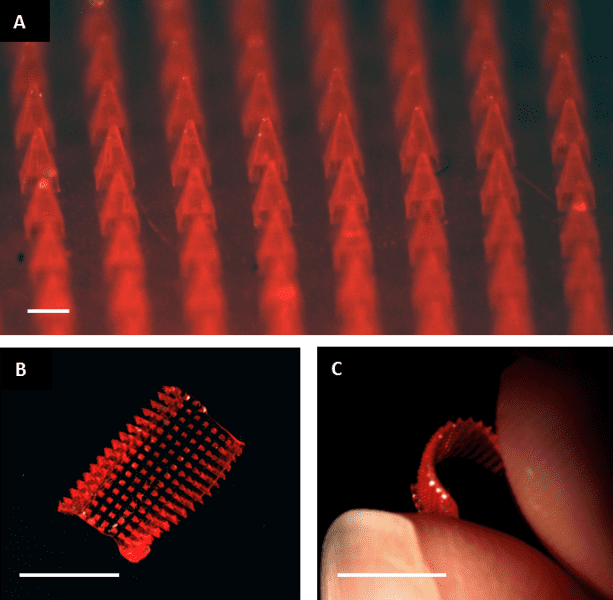
The application of biocompatible polymeric microneedle patches is discussed as a promising and straightforward method of transdermal drug delivery.
Application of nanotechnology shown to substantially reduce necessary dose of anti-HIV antiretroviral efavirenz.
 French WEST reactor breaks record in nuclear fusion
 New theory suggests gravity is not a fundamental force
 Quantum entanglement visualized for the first time ever
 An anti-inflammatory peptide may hold the key to low-back pain relief
 “Cosmic vine” discovered by the James Webb Space Telescope
 The Road to Better Presentation of Data: The Do’s and Don’ts
 Could a nuclear explosion set Earth’s atmosphere on fire?
 The dramatic story behind general relativity’s Nobel Prize snub
 Calculating the true environmental costs of AI
 Ibuprofen’s effect on red blood cells: A prickly affair