The first issue of Advanced Biosystems highlights retinal implants, DNA nanotweezers, and living diodes.
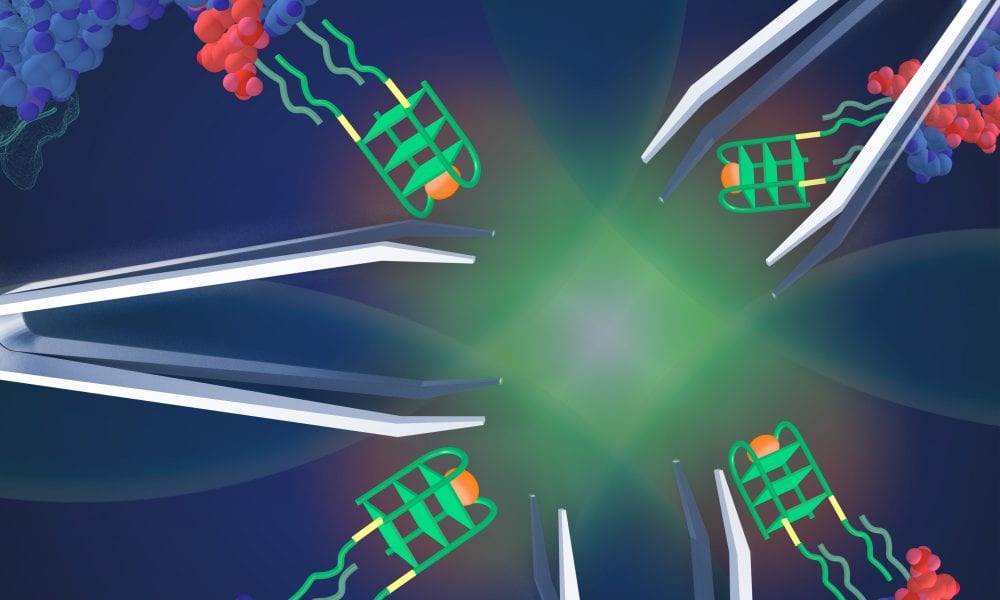

The first issue of Advanced Biosystems highlights retinal implants, DNA nanotweezers, and living diodes.

Researchers achieve the Shockley–Queisser optimal bandgap for an organolead trihalide hybrid perovskite using high pressure.

Two special anniversary issues have been published, authored by the journals’ advisory board members
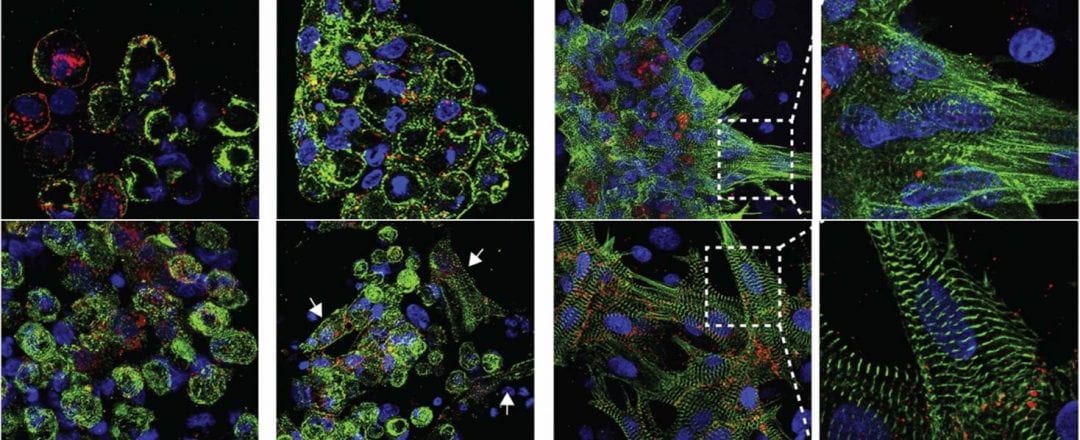
Incorporation of nanomaterials within hydrogels has great potential, as a simple approach, to generate multifunctional scaffolds with unprecedent biological, mechanical, and electrical properties.

Researchers from EMPA, the Swiss Federal Institute for Science and Technology, present light scattering enhancement at the absorption edge in dewetting droplets of cyanine dyes.
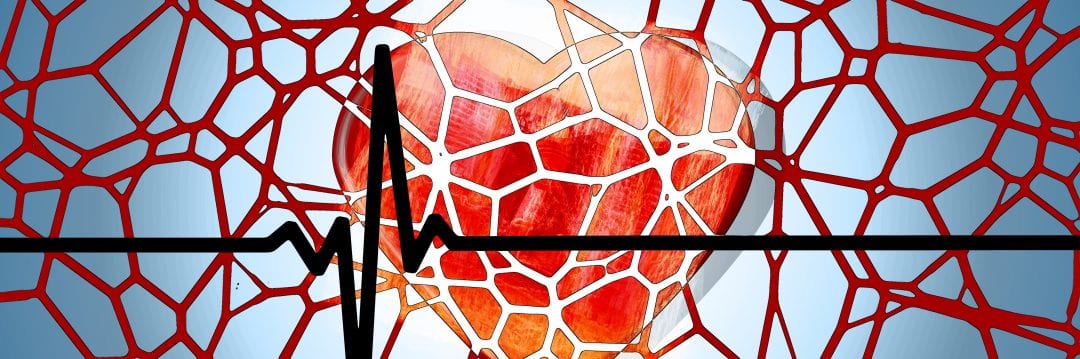
Vascularized cardiac patch provides a cell home for a patient’s own stem cells for drug screening and a personalized tissue graft.
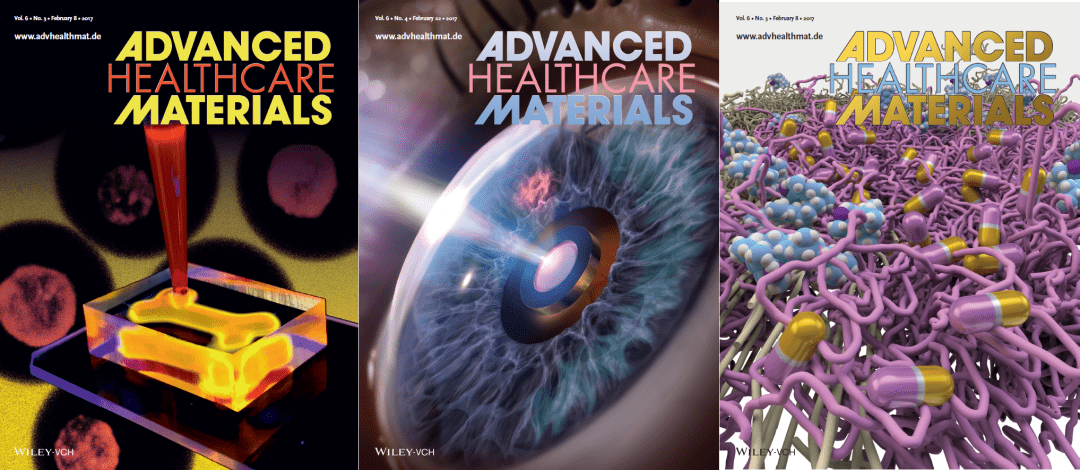
Research highlights from this month’s Advanced Healthcare Materials issues.
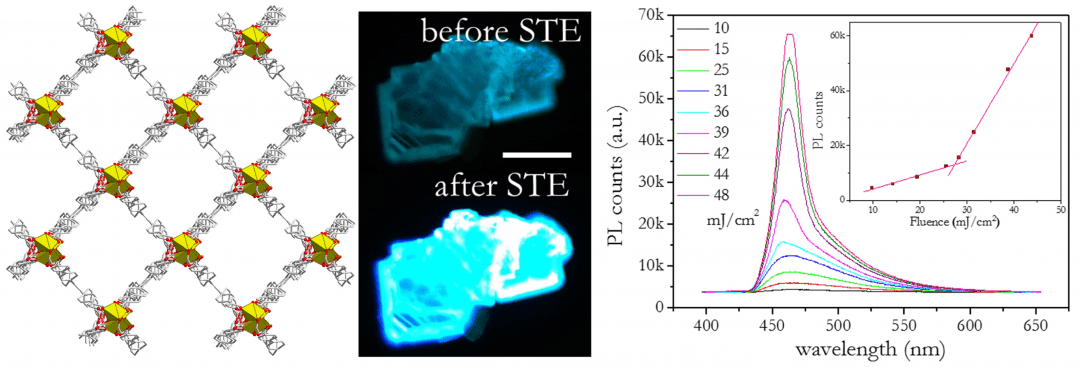
An international team suggest that coordination network materials, in particular MOFs, will be a useful platform for low-threshold lasers for diverse applications.

A solar sail device is developed that can be steered by electronically altering its transparency near the edges while requiring only a low amount of power.

Researchers from Singapore, China and USA have recently reported in Advanced Materials the first example of a TENG-based self-powered iDDS, and demonstrate its functionality in ocular drug delivery.
 New theory suggests gravity is not a fundamental force
 Higgs boson may be driving the Universe’s expansion
 Water-powered gadgets may be on the horizon thanks to new evaporation-based energy device
 Scientists discover a new class of antibiotics
 Micron-sized hidden dimensions could solve two of physics’ deepest puzzles
 A new type of dark matter could explain mysterious radiation from the Milky Way’s core